
Jal Jeera (Tandoori Home Cooking)
A chilled Indian drink made from tamarind, coriander, mint and ginger, seasoned with a roasted-style spice mix. It tastes sour, sweet and savoury, with a gentle chilli warmth and a boondi garnish.
Jal jeera spice mix
6 gStirred into the sweet tamarind water (step 4)Everything else

Method
- Grind 1.1 g cumin seed, 2.9 g black peppercorn, 1 g fennel seed and 1.5 g dried mango powder to a fine powder.
- Blend 50 g coriander leaf, 30 g mint leaf, 3 g ginger root, 36 g tamarind paste and 60 ml water to a smooth paste.
- In a large jug, mix the paste with 60 g caster sugar and 1.2 litres water until the sugar dissolves.
- Stir in the jal jeera spice mix and 2.6 g black salt.
- Add 2 g green bird's-eye chilli, slit lengthwise, and chill in the fridge until the chilli flavour infuses.
- Stir well, pour into glasses and top each with boondi to taste.
Don't have something?


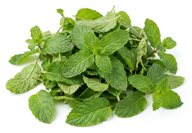 Mint leaves
Use the same weight; identical herb, just the plural listing.
 Dried mint
Use 25% of the fresh weight, about 1 g dried for 4 g fresh; crush between fingers. Flavour is stronger and slightly hay-like.
- Coriander leaf
Use the same weight; it gives a fresh green note but not true mint flavour.


 Ginger paste
Use equal weight. Sauté in hot fat until the raw allium smell disappears; slightly wetter, but provides identical warmth and pungency.
 Ground ginger
Use 20% to 25% of the weight (1 g for every 4 to 5 g fresh). Stir into the gravy; adds peppery heat and warmth, though it misses the crisp, zesty kick of raw root.


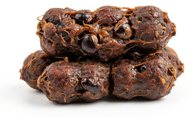 Tamarind pulp
Use 120–150% of the weight and strain; pulp is less concentrated, so simmer a little longer to thicken.
 Tamarind extract
Use 150–200% of the weight and reduce gently; extract is already diluted.
 Lime juice
Use 60–70% of the weight with a pinch of jaggery; sharper, so add near the end off the heat.


 Granulated sugar
Use the same weight. It is slightly coarser, so stir a little longer to dissolve; in baking, grind briefly if a fine texture matters.
 Demerara sugar
Use the same weight, but dissolve it earlier as it is coarser. It adds a light caramel note and a little colour.
 Ground jaggery or soft brown sugar
Use the same weight; crush or grate jaggery first. It darkens the dish and adds molasses flavour, so reduce other liquid slightly.


- Bird's eye green chilli
Use the same weight; heat and flavour are very close.
 Green chilli
Use 1.5 to 2 times the weight; deseed for less heat. Larger chillies are more watery.
 Fresh green chilli
Use 1.5 to 2 times the weight; chop finely and adjust heat by tasting.


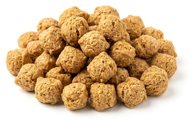 Dried lentil dumplings
Use the same weight; crush or soak as the recipe directs, and fry if the recipe expects crisp pieces.
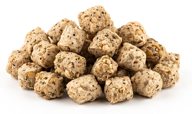 Black gram dumplings
Use the same weight; fry or soak until soft according to the recipe, as it is denser than gram flour balls.
 Kashmiri vadi
Use the same weight; soak in warm water if firm, then squeeze and add as directed.


 Ground cumin
Use 70% of the weight; add with ground spices or sauce bases rather than hot oil tempering, where it scorches quickly and turns bitter.
 Black cumin seeds
Use equal weight for oil tempering. Delivers an earthy profile with an additional musky, smoky, and slightly bitter edge.
 Fennel seed
Use 60% of the weight for tempering; offers comparable warm aroma, but leans sweet and liquorice-like rather than savoury and earthy.


 Coarsely ground black pepper
Use 75% of the weight. Add midway through simmering; spreads heat evenly through the dish instead of delivering isolated bursts.
 Ground black pepper
Use 50% of the weight. Stir in near the end of cooking; significantly darkens light gravies and provides an immediate, sharp bite.


 Aniseed
Use 75% of the weight. Fry in hot oil or ghee; has a sharper, more pronounced liquorice flavour, so use a lighter hand.
 Ground fennel seed
Use 60% of the weight. Stir into the sauce with ground masalas; provides identical sweet aniseed flavour without whole seed crunch.
 Star anise
Use one point (single carpel) per 1 g of fennel seeds. Simmer in gravies and remove before serving; gives a deeper, woodier liquorice aroma.


 Ground dried mango powder
Use the same weight; same sour mango flavour. Add early so it can soften into the dish.
 Dried mango powder
Grind to a powder and use the same weight. Slightly coarser unless finely ground.
 Lemon juice
Use 5–6 times the weight, e.g. 1 tsp powder to about 5 tsp juice; add off the heat. Wetter and fresher-tasting.


Similar dishes

- Same: Til Ki Chutney shares mint, green bird's-eye chilli, tamarind paste and caster sugar with this dish.
- Different: It is a sesame-based chutney, not a chilled drink, and it lacks this dish's coriander, ginger, cumin, black peppercorn, fennel, black salt, dried mango powder and boondi.
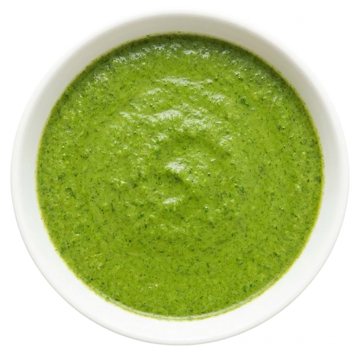
- Same: Coriander & Mint Chutney shares coriander leaf, mint leaf, green chilli and ginger with this dish.
- Different: Coriander & Mint Chutney adds garlic, lemon juice, vegetable oil, caster sugar and sea salt, and it lacks this dish's tamarind, boondi, cumin, black peppercorn, fennel, black salt and dried mango powder.

- Same: Mint and Coriander Chutney shares mint, coriander, ginger and green chilli with this dish.
- Different: It uses cashew nut, lime, sugar and salt instead of tamarind, boondi and the cumin, black peppercorn, fennel, black salt and dried mango powder spice mix, and it is a thick dip rather than a chilled drink.

- Same: Tamarind Chutney shares tamarind paste as the souring agent and cumin seed with this dish, and both are sweetened.
- Different: Tamarind Chutney uses light brown sugar, ground ginger, mild chilli powder, cumin seed and salt, while it lacks this dish's fresh coriander, mint, green chilli, black salt, dried mango powder and boondi.