Indian cooking
Rista (Pounded Meatballs in Piquant Sauce)

Rista

Pounded Meatballs in Piquant Sauce
Non-vegetarian●●●Origin Jammu and KashmirPrep 1 hourCook 40 minutes

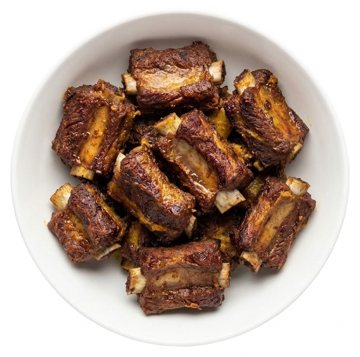
Tender, silky pounded meatballs poached and then gently simmered in a fragrant Kashmiri gravy. The sauce is warming and aromatic, infused with fennel, ginger, and black cardamom.

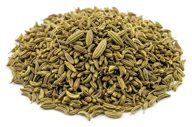
Meatball spices

13 gPounded into the meat mixture (step 1)
01
7 g4 teaspoons
spice
Blend together evenly.

Sauce spices

24 gAdded to the hot ghee (step 4)
Mix together thoroughly.

Everything else

01
1000 g
meat
02
Gheeplus more for the meatballs
100 g
oil/fat
03
~0.3 gpinch
salt
06
to taste
salt

Method

  1. Pound 1000 g meat, cut into pieces, on a heavy board using a mallet, or blitz in a food processor, incorporating a small drizzle of extra ghee, 0.3 g salt, and the meatball spices until completely smooth and pasty.
  2. Moisten your hands with water and roll the paste into uniform spheres roughly 4 cm (1½ inches) across.
  3. Bring a large, heavy pan of water to a rolling boil. Lower the meatballs in using a slotted spoon and cook for about 5 minutes, rotating them regularly, then lift them out and drain.
  4. In a second heavy pan, warm 100 g ghee over high heat. Stir in the sauce spices, 500 ml water, the drained meatballs, 4 tablespoon onion paste, and salt to taste.
  5. Drop the heat to low and leave the pot to simmer gently for about 20 minutes.
  6. Pour in 248 g mawal extract and simmer for an additional 10 to 15 minutes, until the oil floats to the top.

Don't have something?

Boneless lamb
  • Boneless lamb shoulder

    Use same weight; shoulder is well marbled and best for slow curry, with similar cooking time.

  • Boneless leg of lamb

    Use same weight; leg is leaner, so simmer 10 minutes less to avoid dryness.

  • Boneless lamb fillet

    Use same weight but simmer 15–20 minutes less; fillet is tender and cooks quickly.

Ghee
  • Unsalted butter

    Use 120% of the weight; melt gently over low heat to avoid burning the milk solids, which will yield a softer, creamier richness rather than a nutty aroma.

  • Vegetable oil

    Use 85% of the weight; holds high cooking temperatures without smoking, but the final dish will lack traditional dairy depth.

  • Mustard oil

    Use equal weight; heat to smoking point and cool slightly before cooking, bearing in mind it introduces an assertive, pungent edge.

Ground ginger
  • Ginger paste

    Use 300% to 400% of the weight (e.g. 3–4 g paste for 1 g ground). Fry in oil alongside onions; provides a juicy, pungent kick rather than a dry, baking-spice heat.

  • Fresh ginger

    Peel and grate finely; use 300% to 400% of the weight. Add to the hot oil early; delivers bright, peppery warmth rather than the mellow, woody heat of dry ginger.


  • Ground mace

    Use 50% of the weight. Imparts a warm, spicy undertone in rich gravies, but lacks ginger's fiery, sharp zest.

Black cardamom pod
  • Ground black cardamom

    Use 0.5 g of ground seeds for each whole pod. Stir directly into the curry base; delivers identical smoky flavour without woody husks.

  • Green cardamom pod

    Use equal pod count or weight. Crack slightly and fry whole; tastes sweet, menthol-fresh, and floral rather than dark and smoky.

Ground fennel seed
  • Fennel seed

    Grind whole seeds finely; use equal weight (1:1). Provides a fresh, sweet, aniseed aroma that is slightly stronger than pre-ground powder.

  • Aniseed

    Grind finely; use 75% to 80% of the weight. Has a sharper, sweeter liquorice taste with less of fennel's herbal earthiness.

  • Star anise

    Grind whole star anise finely; use 30% to 40% of the weight. Very potent aniseed flavour that easily overpowers a dish if not used sparingly.

Ground cinnamon
  • Ground Ceylon cinnamon

    Milder and sweeter than ground cassia: use about 1.5 times the weight.

  • Cassia bark (Chinese cinnamon)

    Grind the same weight of cassia bark in a spice mill until powdery, or simmer a piece whole and lift it out before serving.

  • Ground mace

    Use 40 to 50% of the weight; offers a delicate, sweet, woodsy fragrance that complements rich curries without dominating.

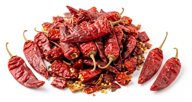
Chilli powder
  • Red chilli powder

    Use 100% of the weight. Provides direct, sharp heat and red colour in equal measure.

  • Kashmiri chilli powder

    Use 150% to 200% of the weight if matching colour, but add a pinch of black pepper or hot chilli if you need equivalent fiery heat.

  • Cayenne pepper

    Use 75% to 100% of the weight. Offers a sharp, clean heat with slightly less earthy depth and less crimson colour.

Boiled onion paste
  • Onion paste

    Use the same weight, then simmer in a little water for 5–8 minutes and cool; raw paste is sharper and stronger.

  • Fried onion paste

    Use about 75% of the weight; it is sweeter, darker and stronger, so reduce salt and sugar slightly.

  • Boiled onion

    Use the same weight, boil until soft and blend; it is the same thing made fresh.

Mawal extract
  • Kashmiri chilli water

    Use equal volume; mimics the deep, clear ruby-red tint of cockscomb flower extract with barely any heat.

  • Kashmiri chilli powder

    Mix 1 tsp (3 g) with 2 tbsp hot water and strain; yields the signature vibrant crimson tone in traditional Kashmiri gravies.

Similar dishes

Gushtaba
Pounded Meatballs in Light Cardamom Sauce
Gushtaba is creamy, mildly tangy, and aromatic, whereas this dish is noticeably spicier, sharper, and chili-forward.
  • Same: Both dishes feature finely pounded meatballs cooked in ghee and flavored with black cardamom, ground fennel, and ginger.
  • Different: Gushtaba simmers the meatballs in a rich yogurt base with green cardamom, cloves, fried onions, and dried mint, omitting the chilli powder, cinnamon, boiled onion paste, and red mawal extract used in this dish.
Martswangan Qorma
Chilli-flavoured Hot Lamb in Sauce
Martswangan Qorma is substantially hotter and tangier from the dried chillies and yogurt, whereas this dish has a milder, more warming flavor dominated by black cardamom.
  • Same: Both dishes are colored with mawal extract and share a Kashmiri spice profile of ground fennel, ginger, cinnamon, and chilli.
  • Different: Martswangan Qorma uses lamb shoulder chunks braised with yogurt, cumin, cloves, and green cardamom, whereas this dish uses pounded poached meatballs cooked with boiled onion paste and black cardamom.
Tabak Maaz
Deep-fried Spare Ribs
Tabak Maaz is rich, garlicky, and crisp on the outside with no gravy, unlike the soft texture and saucy, warm-spiced heat of this dish.
  • Same: Tabak Maaz also uses ground ginger, black cardamom, and ghee to cook meat.
  • Different: Tabak Maaz uses bone-in spare ribs twice-simmered and deep-fried dry with garlic paste, cloves, and turmeric, whereas this dish simmers pounded meatballs in a red gravy made with fennel, cinnamon, chilli powder, boiled onion paste, and mawal extract.
Bhune Kebab
Savoury Baked Minced (Ground) Lamb
Bhune Kebab tastes drier and crustier with lime, green mango, green chilli, and herb notes, while this dish tastes saucy and aromatic with mawal sourness and fennel, cinnamon, and black cardamom.
  • Same: Bhune Kebab shares lamb, ghee, black cardamom, ginger, and chilli powder with this dish.
  • Different: Bhune Kebab uses ground lamb with gram flour, dried kachri, papaya, onion, green chilli, mint, coriander, lime, and raw green mango chutney and is baked then grilled, while this dish uses pounded lamb poached and simmered with fennel, cinnamon, boiled onion paste, and mawal extract.