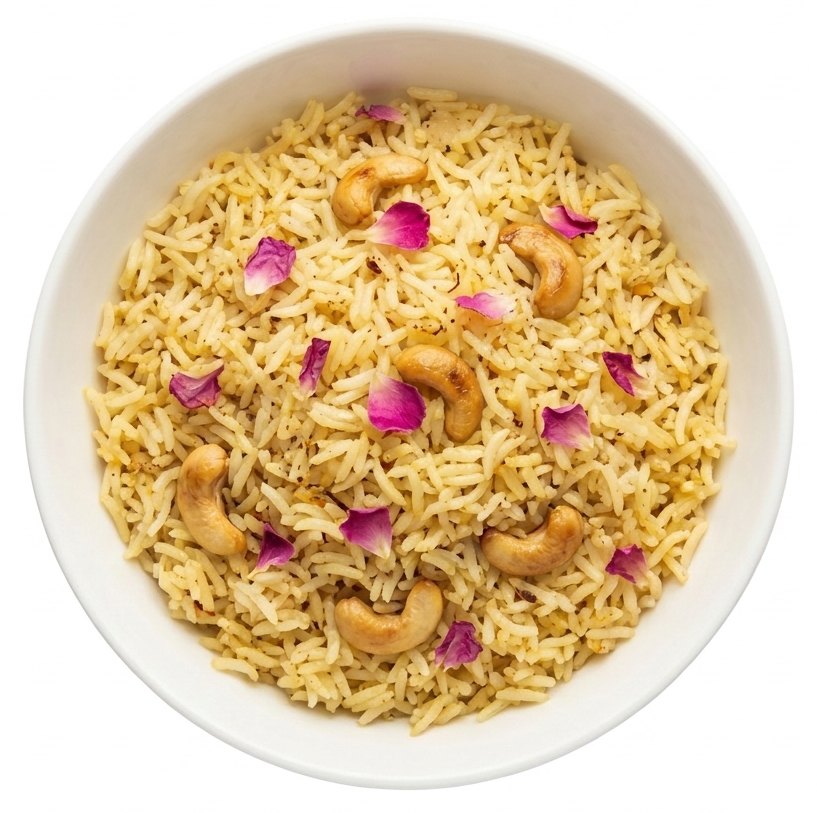
Bangla Pulao
A fragrant, gently sweetened Bengali rice dish infused with saffron, warm floral essences, and toasted nuts.
Aromatic ground spices
4.2 gStirred in with the rice and aromatics (step 4)Everything else

Method
- Submerge 2000 g basmati rice in plenty of water for 1 hour, then drain thoroughly.
- Bring 3 litres of water to a rolling boil in a wide, heavy pot. Tip in the drained rice and 0.3 g saffron, bring back to the boil, and skim off any surface impurities. Cover and simmer over medium heat for approximately 10 minutes until the grains are half-tender. Strain the rice through a colander, reserving the cooking liquid.
- In a clean, heavy pot, melt 150 g ghee over medium heat. Add 100 g cashew nut, 50 g raisins, and 5 g whole garam masala, frying for about 1 minute until the nuts turn golden and fragrant.
- Tumble in the parboiled rice along with 75 g granulated sugar, the aromatic ground spices, 1 tablespoon ground garam masala, 1 tablespoon kewra water, 14.7 g rosewater, and salt to taste. Gently fold the contents together until evenly distributed.
- Cover tightly, turn the flame to low, and steam for 5 to 7 minutes until the rice is tender and the grains fall separate. If still firm, drizzle over a splash of the saved rice water, seal the pot, and cook for another 3 to 4 minutes.
- Let the pot rest covered until needed, warming it through over low heat for 5 to 7 minutes before serving. Scatter over edible petals to garnish.
Don't have something?

 Plain boiled rice
Use 2.5 times the weight if substituting pre-cooked rice. Fold in gently at the end of the recipe; grains will be shorter and less fragrant.


 Saffron thread
Use the same weight. Crush the threads and steep in 1 tbsp hot milk for 10 minutes before adding; colour will be less even.
 Ground turmeric
Use a tiny pinch for colour only, about 1 g for 0.2 g saffron powder. It adds no saffron aroma and can make the dish earthy.
 Screwpine water or rosewater
Use 1 tsp for a floral note, not for colour. It will not taste of saffron.


 Unsalted butter
Use 120% of the weight; melt gently over low heat to avoid burning the milk solids, which will yield a softer, creamier richness rather than a nutty aroma.
 Vegetable oil
Use 85% of the weight; holds high cooking temperatures without smoking, but the final dish will lack traditional dairy depth.
 Mustard oil
Use equal weight; heat to smoking point and cool slightly before cooking, bearing in mind it introduces an assertive, pungent edge.


 Almond
Use 100% of the weight. Soak in boiling water and slip off skins before frying or grinding; gives a lighter, slightly less sweet richness to curries.
 Poppy seed
Use 60% of the weight for gravies. Soak in warm water and grind into a fine paste to thicken royal kormas without adding heavy oiliness.
 Shelled peanut
Use 100% of the weight. Roast, skin, and grind; creates a thicker, earthier texture typical of Maharashtrian and western Indian curries.


 Dried plum
Use equal weight, pitted and finely chopped. Lends a deeper, slightly more tart sweetness to curries and rice dishes.
- Cashew nut
Use equal weight. Fry lightly in ghee until golden; substitutes the burst of sweetness with a rich, buttery crunch.
 Jaggery
Use 30% of the weight, finely grated. Dissolve straight into the sauce to match the intended sweetness, though without the fruity chew.


 Ground cumin
Use 50% of the weight mixed with equal parts ground coriander and a pinch of ground cinnamon, ground cloves, and ground green cardamom. Sprinkle near the end for a warming finish.
 Lentil stew spice mix
Use 75% of the weight. Simmer briefly in the gravy; imparts roasted warmth and complexity, though it adds a slight tang and earthy lentil undertone.


- Jaggery
Use equal weight; grate or shave finely so it dissolves rapidly, giving a warm, caramel-like sweetness and slightly darker sauce.


 Ground nutmeg
Use equal weight, or roughly 1/2 teaspoon for half a whole nutmeg. Stir in near the end of cooking as pre-ground loses aroma quickly.
 Mace blade
Use about 70% of the weight, finely ground. Mace comes from the same fruit and provides a very similar but slightly lighter, more floral warmth.
 Ground mace
Use equal weight. Delivers a slightly sharper, more delicate sweetness to rich kormas and biryanis.


- Mace blade
Grind dried blades finely in a spice mill; use equal weight (1:1). Provides an identical, freshly aromatic, sweet-musky profile.
- Ground nutmeg
Use 75% to 80% of the weight. Derived from the seed of the same tree, it shares the flavour profile but is heavier, sweeter, and more pungent.
 Ground cinnamon (cassia)
Use 50% of the weight. Adds warming sweetness, but lacks mace's savoury, elegant floral notes.


- Garam masala
Use the same weight; this is the same blend.
 Kashmiri garam masala
Use the same weight; it is milder and more aromatic, so add a pinch of black pepper if heat is needed.


 Rosewater
Use 75-100% of the weight, added off the heat. Floral but rose-scented, not screwpine.
 Rose syrup
Use 50-60% of the weight and reduce sugar by about the same amount. Sweet and pink-rose flavoured.
- Saffron thread
Steep 2-3 threads in 10 ml warm milk for every 10 g kewra water. Different, richer aroma.

- Screwpine water or rosewater
If using kewra water, use 50% of the volume specified; it is intensely floral and pungent, so add drop by drop to avoid overpowering.
 Ground green cardamom
Use 0.5 g ground spice for every 5 ml rosewater. Adds warm, perfumed top notes, shifting the aroma from floral to sweet spice.
 Dried rose petals
Steep 1 g dried petals in 15 ml hot milk or water for 10 minutes, strain, and stir in for a subtle, natural floral note.


 Rose petal
Use the same weight; rose is a direct swap for the rose option.
- Dried rose petals
Use 30–40% of the weight and soak in warm water for 10 minutes.
- Screwpine water or rosewater
Use a few drops — about 1 tsp per 100 g — for aroma; no petal texture.

Similar dishes

- Same: Ganne ke Ras ki Kheer shares the use of basmati rice, granulated sugar, and cashews with this dish.
- Different: It is simmered into a soft pudding using sugarcane juice and raisins, omitting the ghee, rosewater, nutmeg, mace, and garam masala used here.
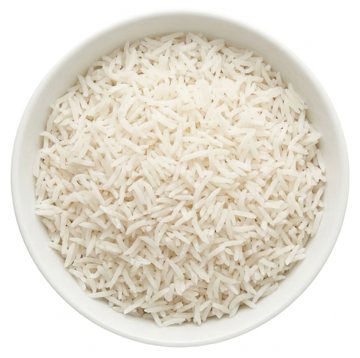
- Same: Basic Rice Recipe shares basmati rice and salt with this dish and relies on rice grains cooking separately and fluffy.
- Different: Basic Rice Recipe has only basmati rice and salt, while this dish adds ghee, saffron, sugar, cashews, raisins, garam masala, nutmeg, mace, kewra water, rosewater, and rose or jasmine flowers.
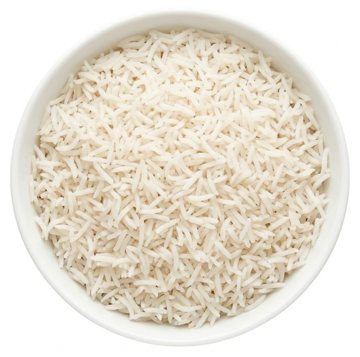
- Same: Plain Rice shares basmati rice and salt with this dish, and both are cooked as rice.
- Different: Plain Rice uses only basmati rice, water, and salt, while this dish adds ghee, saffron, cashews, raisins, sugar, garam masala, nutmeg, mace, kewra water, rosewater, and rose petals or jasmine flowers.
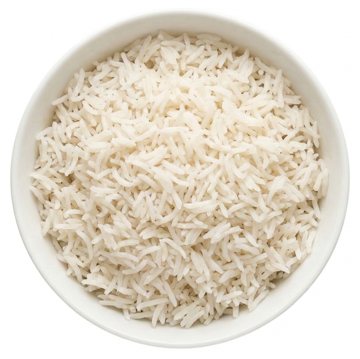
- Same: Both recipes are built on a base of basmati rice seasoned with salt.
- Different: Sada Chaawal uses vegetable oil instead of ghee and omits the sugar, cashews, rosewater, nutmeg, mace, and garam masala used in this dish.