
Chownki Mausami Sabziyan
A vibrant stir-fry of crisp cabbage and tender turnips bloomed with pungent mustard seeds, cumin, and kalonji in ghee. Juicy tomatoes and a generous squeeze of lemon juice give the vegetables a bright, tangy finish.
Tempering seeds
26 gSizzled in the hot ghee (step 1)Ground spices
5 gStirred in with the tomatoes (step 2)Everything else


Method
- Warm 125 g ghee in a medium pan set over high heat for 1 minute. Lower the heat to medium and immediately scatter in the tempering seeds along with 1 teaspoon kalonji.
- Stir continuously for 1 to 2 minutes until the mustard seeds start to pop, taking care not to scorch them.
- Tumble in 120 g finely chopped tomato, the ground spices, 17.4 g salt, and 0.5 teaspoon crushed cayenne. Sauté for 3 to 4 minutes until the tomatoes soften.
- Tip in the turnip (1 large, cut into quarter-rounds) and cook, stirring frequently, for 2 minutes.
- Increase the heat to medium-high, add the chopped and shredded cabbage (2 small heads), and toss briskly for 2 to 3 minutes.
- Pour in 91.8 g lemon juice, give the vegetables a final stir to coat, and serve immediately alongside plain basmati rice.
Don't have something?


 Ground cumin
Use 70% of the weight; add with ground spices or sauce bases rather than hot oil tempering, where it scorches quickly and turns bitter.
 Black cumin seeds
Use equal weight for oil tempering. Delivers an earthy profile with an additional musky, smoky, and slightly bitter edge.
 Fennel seed
Use 60% of the weight for tempering; offers comparable warm aroma, but leans sweet and liquorice-like rather than savoury and earthy.


- Black cumin seeds
Use equal weight. Imparts an earthy, slightly bitter note in temperings, though it lacks nigella's oniony sharpness.
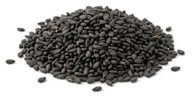 Black sesame seeds
Use equal weight. Gives a similar speckled appearance and light crunch on breads, but provides a nutty rather than herbaceous, onion-like flavour.


 Mustard seed
Use the same weight for tempering. It is the closest match; watch the heat because it can pop faster than yellow mustard seed.
 Black mustard seed
Use the same weight, or 75% if you want less heat. It is sharper and more pungent; temper in hot oil as usual.
 Mustard powder
Use about half the weight of whole seed, mix with a little water and add near the end. It will not give the same whole-seed crunch in a tempering.


 Unsalted butter
Use 120% of the weight; melt gently over low heat to avoid burning the milk solids, which will yield a softer, creamier richness rather than a nutty aroma.
 Vegetable oil
Use 85% of the weight; holds high cooking temperatures without smoking, but the final dish will lack traditional dairy depth.
 Mustard oil
Use equal weight; heat to smoking point and cool slightly before cooking, bearing in mind it introduces an assertive, pungent edge.


 Tomato purée
Use 40% to 50% of the fresh tomato weight mixed with a splash of water. Imparts a deeper red colour, thicker sauce, and slightly sweeter cooked flavour.
 Plain yogurt
Use 60% of the weight, whisked smooth and added on low heat. Provides rich body and sourness, though the gravy becomes paler and creamier.


 Coriander seeds
Dry-roast lightly in a pan and grind to a fine powder; use equal weight (1:1). Offers a noticeably fresher, brighter citrus note.
- Ground cumin
Use 50% to 75% of the weight. Lacks the floral, citrusy profile of coriander and turns the gravy heavier, earthier, and darker.
 Garam masala
Use 50% of the weight and stir in near the end of cooking. Adds warmth and depth since it contains ground coriander, but introduces stronger spices like clove and cinnamon.


 Red chilli powder
Use 70–75% of the weight; Indian chilli powders vary, so taste as you go. It gives similar heat but less clean brightness.
 Kashmiri red chilli powder
Use up to twice the weight for colour, but expect much less heat. Add a little ordinary chilli powder if heat matters.
 Paprika
Use 1.5–2 times the weight; it is mild and sweet. The dish will be redder but much less hot.


 Potato
Use the same weight; cut to the same size. It is softer and less peppery, and will thicken the dish more.
 White radish
Use the same weight; cut to the same size. It gives a sharper, more watery result, so cook a little longer.
 Carrot
Use the same weight; cut to the same size. It is sweeter and firmer, so the dish will taste milder.


 Cabbage
Use the same weight, shred or chop as the recipe says. Cooking time and texture are essentially the same.
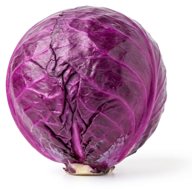 Purple cabbage
Use the same weight, shred as usual. It cooks similarly but bleeds colour into the dish and is slightly firmer; add 2–3 minutes more if needed.

- Green cabbage
Use the same weight; shred similarly. Colour is lost and it is slightly less peppery; cooking time is the same.
- Cabbage
Use the same weight; shred and cook as directed. Milder and paler; add a little vinegar to keep colour if you like.
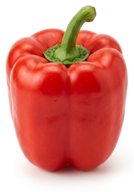 Red bell pepper
Use the same weight only for raw salads; slice thin. Crunchier and sweeter, and it wilts faster if cooked.


 Lime juice
Use equal volume or weight; delivers almost identical sharp acidity with a faintly more aromatic, bitter-edged profile.
 Dried mango powder
Use 25% of the weight (about 1 g amchoor for 4 g juice); provides clean fruity tartness without thinning the sauce.
 White vinegar
Use 75% of the volume; gives direct sourness without any citrus floral fragrance.


Similar dishes

- Same: Both preparations are vegetable dishes seasoned with aromatic spices and salt.
- Different: Istoo is simmered as a mild coconut milk stew using vegetable oil, fresh ginger, curry leaves, and black pepper, whereas this dish is a dry vegetable stir-fry sautéed in ghee with cumin, yellow mustard seeds, kalonji, coriander, tomatoes, and lemon juice.

- Same: Subzi Panchmel is also a spiced vegetable stir-fry made with tomatoes and coriander.
- Different: Instead of cabbage, turnips, ghee, and lemon juice, it cooks potatoes, mushrooms, baby corn, and peppers in mustard oil with onion, garlic, ginger, and black pepper.

- Same: Both dishes are cooked with ghee and seasoned with whole cumin seeds, ground coriander, and tomatoes.
- Different: Khatta Mitha Barhe ka Salan is a seared beef curry made with tamarind, demerara sugar, and onions, whereas this dish is a vegetable stir-fry flavored with mustard seeds, kalonji, and lemon juice.

- Same: Both dishes are vegetable stir-fries seasoned with tomatoes, cumin, and coriander.
- Different: Shadras Subziyan incorporates onions, fresh ginger, green chillies, black peppercorns, turmeric, and garam masala, but lacks the ghee, yellow mustard seeds, and lemon juice used in this dish.