Indian cooking
Indian cooking / Dishes / Bharwan Bhindi
Bharwan Bhindi (Stuffed Okra)

Bharwan Bhindi

Stuffed Okra
Vegetarian●●●Origin PunjabPrep 30 minutesCook 20–25 minutes

Okra pods are packed with a tangy, aromatic spice paste and gently braised in a velvety, spiced yogurt sauce. It offers a balance of sharp, earthy, and warm flavours with tender, juicy bhindi.

Filling spices

29 gCombined with oil and salt to form the stuffing paste (step 1)
01
3 g1 teaspoon
spice
04
3.9 g1½ teaspoons
spice
06
8 g1 tablespoon
souring agent
07
1.8 g1 teaspoon
spice
09
0.6 g¼ teaspoon
spice
Stir together into a uniform blend.

Sauce spices

5 gMixed with water and fried with the onions (step 2)
01
3.9 g1½ teaspoons
spice
02
1.5 g½ teaspoon
spice
Keep together ready to blend with water.

Everything else

01
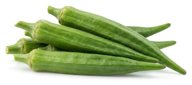
Okra · Bhinditopped and tailed (trimmed), cut in half lengthways then de-seeded
500 g
vegetable
02
to taste
salt
03
34 g2½ tablespoons
oil/fat
04
~0.3 gpinch
salt
05
54 g4 tablespoons
oil/fat
06
125 g
vegetable
07
761 g750 ml
dairy

Method

  1. Combine the filling spices with 33.8 g vegetable oil or ghee and 0.3 g salt in a bowl to make a thick paste. Distribute this seasoned paste evenly into the hollowed centres of 500 g trimmed, halved, and deseeded okra, then set the stuffed pods aside.
  2. Whisk the sauce spices with 30 ml (2 tbsp) of water in a small bowl until completely smooth.
  3. Warm 54 g vegetable oil or ghee in a heavy-bottomed pan over low heat. Add 125 g sliced onion and cook for 3 to 4 minutes until soft and glassy.
  4. Stir the spice slurry into the onions and fry for 3 to 4 minutes, stirring continuously until the water cooks away.
  5. Add the stuffed okra to the pan and raise the flame to medium. Put on the lid and cook for 7 to 8 minutes, giving the pan an occasional gentle stir.
  6. Lift the pan off the heat, then incorporate 761 g whisked plain yogurt and season with salt to taste.
  7. Set the pan back on the stove and simmer uncovered for around 5 minutes, turning the okra delicately from time to time, until the sauce reduces to a thick gravy. Taste and adjust the seasoning before serving.

Don't have something?

Okra
  • Cluster bean

    Use the same weight, topped, tailed and cut into similar pieces. It is firmer and less mucilaginous; cook a few minutes longer until tender.

  • Green bean

    Use the same weight, trimmed and cut into short lengths. It cooks faster and stays crisp; add towards the end and expect no okra stickiness.

  • Aubergine

    Use the same weight, cut into small pieces and cook until soft. It gives a soft, seedy texture but no okra mucilage and absorbs more oil.

Ground turmeric
  • Ground ginger

    Use 50% of the weight. Mimics turmeric's warm, earthy, rhizome background, but provides none of the golden-yellow colour.

  • Saffron

    Steep a tiny pinch (0.1 g per 2 g turmeric) in 2 tbsp warm water; use to match the rich golden hue. Contributes an aristocratic, honeyed floral flavour rather than earthy bitterness.

Ground black cardamom
  • Black cardamom seeds

    Use equal weight; grind freshly in a mortar or spice mill for an even more vibrant camphor-and-smoke aroma.

  • Black cardamom pod

    Use 2.5 times the weight in whole pods; crack open, extract the sticky seeds, and grind to a fine powder, discarding the husks.

  • Garam masala

    Use 60% of the weight; provides some warm resinous smokiness if it contains black cardamom, though it adds cinnamon and clove notes.

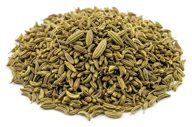
Ground fennel seed
  • Fennel seed

    Grind whole seeds finely; use equal weight (1:1). Provides a fresh, sweet, aniseed aroma that is slightly stronger than pre-ground powder.

  • Aniseed

    Grind finely; use 75% to 80% of the weight. Has a sharper, sweeter liquorice taste with less of fennel's herbal earthiness.

  • Star anise

    Grind whole star anise finely; use 30% to 40% of the weight. Very potent aniseed flavour that easily overpowers a dish if not used sparingly.

Ground cumin
  • Cumin seed

    Dry-roast briefly and grind finely; use equal weight (1:1). Imparts an even punchier, nuttier, toasty aroma than pre-ground cumin.

  • Ground coriander

    Use equal weight (1:1). Adds mild, lemony sweetness rather than cumin's smoky, earthy bite; curries will taste lighter and less savoury.

  • Black cumin seeds

    Grind finely; use 60% to 75% of the weight. Produces a darker, more complex, smoky-herbal flavour suited to rich gravies.

Ground black pepper
  • Black peppercorn

    Use 1:1 by weight; pulverise in a spice mill or mortar to a fine powder for immediate, punchy heat.

  • Coarsely ground black pepper

    Use equal weight; offers the same bite, though it gives a visibly speckled finish and firmer crunch.

Ghee or vegetable oil
  • Peanut oil

    Use equal weight; handles high tempering heat well and keeps flavours neutral.

  • Butter

    Use equal weight; cook over gentle heat to prevent browning the milk solids too quickly.

Amchoor
  • Lemon juice

    Use 15 g (1 tbsp) for every 5 g of amchoor. Stir in at the very end off the heat; adds liquid and fresh citrus aroma rather than dry fruity tang.

  • Tamarind extract

    Use 75% of the weight, dissolved in a splash of warm water. Simmer briefly; darkens the gravy and provides a deeper, caramelised sourness.

Ground coriander
  • Coriander seeds

    Dry-roast lightly in a pan and grind to a fine powder; use equal weight (1:1). Offers a noticeably fresher, brighter citrus note.

  • Ground cumin

    Use 50% to 75% of the weight. Lacks the floral, citrusy profile of coriander and turns the gravy heavier, earthier, and darker.

  • Garam masala

    Use 50% of the weight and stir in near the end of cooking. Adds warmth and depth since it contains ground coriander, but introduces stronger spices like clove and cinnamon.

Chilli powder
  • Red chilli powder

    Use 100% of the weight. Provides direct, sharp heat and red colour in equal measure.

  • Kashmiri chilli powder

    Use 150% to 200% of the weight if matching colour, but add a pinch of black pepper or hot chilli if you need equivalent fiery heat.

  • Cayenne pepper

    Use 75% to 100% of the weight. Offers a sharp, clean heat with slightly less earthy depth and less crimson colour.

Ground nutmeg
  • Nutmeg

    Grate whole nutmeg finely on a microplane; use 80% to 100% of the weight. Freshly grated nutmeg has significantly more aromatic oils and a more vibrant aroma.

  • Ground mace

    Use 100% to 120% of the weight. Mace is nutmeg's outer husk, providing almost identical warmth but with a lighter, slightly more delicate, floral edge.

  • Ground cinnamon (cassia)

    Use 75% of the weight. Adds comparable warmth and sweetness, though it lacks the musky, nutty undertone of nutmeg.

Onion
  • Shallot

    Use equal weight, finely sliced. Shallots soften and brown faster, giving a slightly sweeter and more delicate base to curries.

  • Cabbage

    Use 80% of the weight, finely shredded and browned slowly with a pinch of asafoetida. Replicates the bulk and natural sweetness in gravies without allium.


Plain yogurt
  • Yogurt

    Use equal weight, whisked thoroughly until smooth before adding to hot dishes to prevent curdling.

  • Coconut milk

    Use equal weight with 1 teaspoon lemon juice mixed in. Provides rich creaminess in curries, but adds a noticeable coconut flavour.

  • Single cream

    Use 80% of the weight plus a squeeze of lemon juice for acidity. Enriches sauces nicely, though it is richer and less tangy.

Similar dishes

Bhuni Besan Bhindi
Fried Okra Coated in Gram (Chickpea) Flour
Bhuni Besan Bhindi is crisp, dry, and nutty, whereas this dish is saucy, tender, and creamy.
  • Same: Both dishes season okra with amchoor, chilli powder, turmeric, black cardamom, nutmeg, and black pepper cooked in ghee or oil.
  • Different: Bhuni Besan Bhindi coats the okra in toasted chickpea flour and fries it dry, lacking this dish's onions, cumin, fennel, and yogurt braising sauce.
Sabut Bhindi
Whole Spicy Okra
Sabut Bhindi has a sharper, tomato-led savoriness rather than the rich, creamy, and warm-spiced profile of this dish.
  • Same: Both dishes braise whole okra using onions, vegetable oil, amchoor for tartness, and ground spices like cumin, coriander, turmeric, and chilli powder.
  • Different: Sabut Bhindi builds a sauce from tomatoes, garlic, ginger, and asafoetida rather than stuffing the pods and braising them in yogurt.
Dahi ma Bheeda
Okra in Yoghurt Sauce
Dahi ma Bheeda has a simpler, garlicky and gingery profile with mild tang, lacking the sharper acidity of amchoor and the complex, warm spiced finish of this dish.
  • Same: Both dishes simmer okra in a plain yogurt sauce seasoned with ground cumin, turmeric, and chilli powder.
  • Different: Dahi ma Bheeda lightly fries plain okra instead of stuffing it, incorporates ginger and garlic pastes while omitting onions, and leaves out the amchoor, fennel, coriander, black cardamom, and nutmeg used in this dish.
Vendakkai Pulussu
Okra in Tamarind Sauce
Vendakkai Pulussu tastes sharper, sweet, and tangy from tamarind, tomatoes, and sugar rather than rich, creamy, and warming from yogurt, amchoor, and nutmeg.
  • Same: Vendakkai Pulussu also features okra cooked in an onion-based gravy seasoned with ground coriander, chilli powder, and turmeric.
  • Different: Instead of stuffing the okra and braising it in yogurt, it simmers the okra in a tomato and tamarind sauce tempered with mustard seeds, fenugreek seeds, and curry leaves.