
Dahi ma Bheeda
Tender-crisp okra lightly fried and then simmered in a spiced, gently warmed yoghurt gravy. The sauce is mildly tangy, savoury, and fragrant with cumin, garlic, and ginger.
aromatics and ground spices
78 gFried in the residual oil (step 3)Everything else

Method
- Slice 1000 g okra into 1 cm (½ in) rounds, transfer to a bowl, and season lightly with salt.
- Warm 54–81 g vegetable oil in a deep, heavy skillet over high heat, then dial the flame down to medium. Fry the okra for 2–3 minutes until crisp while keeping its vibrant green colour, then lift out with a slotted spoon to drain on kitchen paper.
- Add the aromatics and ground spices to the pan and fry for around 2 minutes, splashing in a little water if the mixture begins to catch on the bottom.
- Take the pan off the heat and whisk in 456 g plain yogurt a little at a time until completely smooth.
- Return the skillet to a very low flame and cook gently for 2–3 minutes. Add salt to taste, return the drained okra to the sauce, and simmer for 2 minutes more until thoroughly warmed through.
Don't have something?
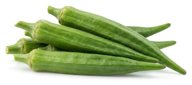
 Cluster bean
Use the same weight, topped, tailed and cut into similar pieces. It is firmer and less mucilaginous; cook a few minutes longer until tender.
 Green bean
Use the same weight, trimmed and cut into short lengths. It cooks faster and stays crisp; add towards the end and expect no okra stickiness.
 Aubergine
Use the same weight, cut into small pieces and cook until soft. It gives a soft, seedy texture but no okra mucilage and absorbs more oil.


 Peanut oil
Use 1:1 by weight. Handles high-heat frying identically and introduces a very subtle, pleasant nuttiness.
 Ghee
Use 1:1 by weight. Yields a much richer, authentic aroma and a glossy, heavier mouthfeel.
 Mustard oil
Use 1:1 by weight. Heat until smoking, then cool slightly before cooking to temper its intensely pungent, sharp mustard kick.


 Fresh ginger
Use equal weight; peel and grate very finely on a microplane or pound to a fine paste in a mortar.
 Ginger
Use equal weight; mince finely and crush with the flat of a knife before frying.
 Ground ginger
Use 20% of the weight; add directly with the dry spice powders, though it yields an earthier, less pungent profile.


 Garlic
Use equal weight; crush or finely grate to a smooth pulp to replicate the same fresh, pungent moisture in your base gravy.
 Garlic powder
Use 20 to 25% of the weight; mix with a teaspoon of water before adding to oil so it does not burn, noting it lacks the fresh bite.


- Ground ginger
Use 50% of the weight. Mimics turmeric's warm, earthy, rhizome background, but provides none of the golden-yellow colour.
 Saffron
Steep a tiny pinch (0.1 g per 2 g turmeric) in 2 tbsp warm water; use to match the rich golden hue. Contributes an aristocratic, honeyed floral flavour rather than earthy bitterness.


 Red chilli powder
Use 100% of the weight. Provides direct, sharp heat and red colour in equal measure.
 Kashmiri chilli powder
Use 150% to 200% of the weight if matching colour, but add a pinch of black pepper or hot chilli if you need equivalent fiery heat.
 Cayenne pepper
Use 75% to 100% of the weight. Offers a sharp, clean heat with slightly less earthy depth and less crimson colour.


 Cumin seed
Dry-roast briefly and grind finely; use equal weight (1:1). Imparts an even punchier, nuttier, toasty aroma than pre-ground cumin.
 Ground coriander
Use equal weight (1:1). Adds mild, lemony sweetness rather than cumin's smoky, earthy bite; curries will taste lighter and less savoury.
 Black cumin seeds
Grind finely; use 60% to 75% of the weight. Produces a darker, more complex, smoky-herbal flavour suited to rich gravies.


 Yogurt
Use equal weight, whisked thoroughly until smooth before adding to hot dishes to prevent curdling.
 Coconut milk
Use equal weight with 1 teaspoon lemon juice mixed in. Provides rich creaminess in curries, but adds a noticeable coconut flavour.
 Single cream
Use 80% of the weight plus a squeeze of lemon juice for acidity. Enriches sauces nicely, though it is richer and less tangy.


Similar dishes

- Same: Dum ki Bhindi also features okra cooked in a yoghurt-based sauce seasoned with garlic, ginger, turmeric, and chilli powder.
- Different: Dum ki Bhindi uses far less yoghurt, adds ghee, green chillies, and garam masala instead of ground cumin, and slow-cooks the okra rather than simmering it.
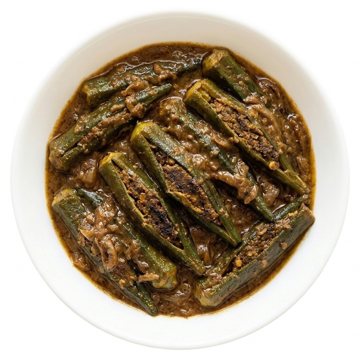
- Same: Bharwan Bhindi also simmers okra in a spiced plain yogurt sauce seasoned with ground cumin, turmeric, and chilli powder.
- Different: Instead of cooking loose okra with ginger and garlic pastes, Bharwan Bhindi stuffs the pods and braises them with onions, amchoor, fennel, black cardamom, coriander, and nutmeg.

- Same: Vendakkai Pulussu also simmers okra in vegetable oil seasoned with garlic paste, turmeric, and chilli powder.
- Different: Instead of a yoghurt base spiced with ginger and cumin, it builds a sauce from tamarind extract, tomatoes, onions, and coriander, finished with a temper of mustard seeds, fenugreek, and curry leaves.

- Same: Khara Bheeda shares okra as the main ingredient, plus vegetable oil, ground turmeric, and salt.
- Different: Khara Bheeda adds onion, tomato, green chilli, and coriander leaves, and it lacks yogurt, ginger paste, garlic paste, ground cumin, and chilli powder; it is dry-fried rather than simmered in a yoghurt gravy.