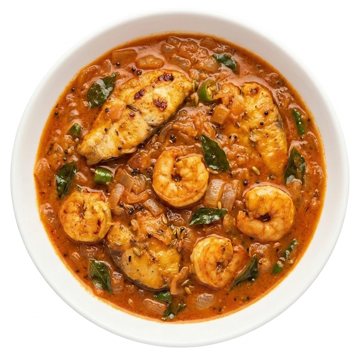
Bengali prawn cakes are shallow-fried patties made from chopped and minced prawn and cod, seasoned with turmeric, chilli and garam masala. They are crisp outside and moist within, with gentle heat and a fresh lift from lemon or chaat masala.
Pulse 125 g of the 250 g tiger prawn and 100 g of the 200 g cod in a food processor to a rough paste, then tip into a bowl.
Cut the remaining 125 g tiger prawn and 100 g cod into small cubes and add to the bowl.
Add the masala (prawn cake spices: 1.5 g ground turmeric, 1.8 g chilli flakes and 1.3 g garam masala), 2.5 g curry leaf, 3 g coriander leaves, 10 g English mustard, 2 g chickpea flour and salt to taste; mix until evenly combined and tacky.
Divide the mixture into 8–10 equal portions and pat each into a round cake.
Heat a frying pan over medium heat and add oil for shallow-frying. When hot, fry the cakes in batches for 2–3 minutes per side, until browned and crisp.
Finish with a squeeze of lemon juice or a dusting of chaat masala.
Steep a tiny pinch (0.1 g per 2 g turmeric) in 2 tbsp warm water; use to match the rich golden hue. Contributes an aristocratic, honeyed floral flavour rather than earthy bitterness.
Use the same weight. Crush whole dried red chillies in a mortar, shaking out some seeds if you want less heat. Gives the same heat but a coarser, more uneven texture.
Use the same weight. Soak in hot water for 10 minutes if the recipe needs a paste, or crush dry for a flake-like texture. Slightly more work and less uniform.
Use 50% of the weight mixed with equal parts ground coriander and a pinch of ground cinnamon, ground cloves, and ground green cardamom. Sprinkle near the end for a warming finish.
For crisping batters or binding cutlets: use 50% to 60% of the weight. Produces a very crisp shell but lacks the earthy, roasted nutty flavour of besan.
Use about 1 g amchoor for 10 ml lemon juice, or 1 g for 2 g chaat masala. It gives dry mango sourness without salt or spice; add a pinch of salt and cumin if the chaat masala was doing more.


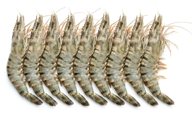
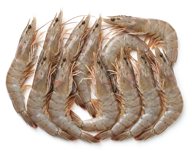 King prawn
 Large prawn
 Small prawn


 Haddock
 Hake fillet
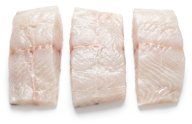 Firm white fish fillet


 Ground ginger
 Saffron


 Crushed dried red chilli
 Dried red chilli
 Red chilli powder


 Ground cumin
 Lentil stew spice mix


 Bay leaf
 Lime juice


 Coriander (cilantro) or basil
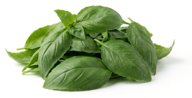 Basil leaves
 Coriander paste


 English mustard powder
 Wholegrain mustard


 Yellow split pea flour
 Cornstarch


 Vegetable oil
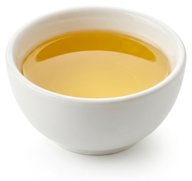 Corn or vegetable oil
 Groundnut oil


 Lemon juice
 Dried mango powder
 Tamarind paste