Indian cooking
Indian cooking / Dishes / Baadami Chawal Bariyan
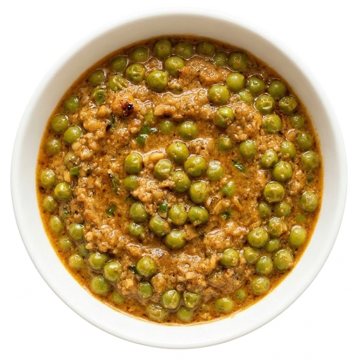
Baadami Chawal Bariyan (Creamy Spiced Rice with Almonds)

Baadami Chawal Bariyan

Creamy Spiced Rice with Almonds
VegetarianOrigin PunjabPrep 10 minutes, plus soaking timeCook 35 minutes

A comforting, porridge-like basmati rice dish beaten into a creamy pulp with warm spices, finished with a fragrant ghee tempering of whole spices and toasted almonds.

spices for the rice

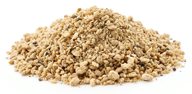
8 gStirred into the mashed rice (step 3)
01
1.3 g½ teaspoon
spice
02
1.8 g1 teaspoon
spice
03
1.8 g1 teaspoon
spice
04
2.6 g1 teaspoon
spice blend
Blend together evenly.

tempering spices

2.6 gBloomed in hot ghee (step 4)
01
2.1 g1 teaspoon
spice
02
~0.3 gpinch
spice
03
0.2 g3 cloves
spice
Leave whole ready to fry.

Everything else

01
250 g
grain
02
Green chilli · Hari Mirchde-seeded and finely chopped
24 g4 chillies
vegetable
03
46 g3½ tablespoons
oil/fat
04
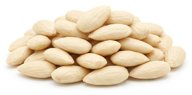
18 g15 almonds
nut/seed
05
to taste
salt

Method

  1. Soak 250 g basmati rice in plenty of cold water for 1 hour, then drain well.
  2. Bring 1 litre of water to a boil in a heavy-based pot. Add the drained rice and cook for roughly 10 minutes until the grains are tender. Beat and mash the rice vigorously against the pot with a wooden spoon or ladle in a circular motion until it breaks down into a pulpy mash, stirring constantly to prevent scorching. Splash in a little extra water if needed to maintain a thick, syrupy consistency.
  3. Stir the spices for the rice, 24 g green chilli, 1 teaspoon Garam Masala Kashmiri, and salt to taste into the mashed rice. Pour in 500 ml of water and gently simmer for about 10 minutes, stirring frequently, until the mixture reduces to a dense, creamy paste.
  4. Warm 46.2 g ghee in a small frying pan over medium heat. Tip in the tempering spices along with 15 halved almonds and fry for roughly 1 minute until the seeds crackle and become fragrant.
  5. Pour the hot ghee and toasted spices over the rice, fold together gently, and serve.

Don't have something?

Basmati rice
  • Plain boiled rice

    Use 2.5 times the weight if substituting pre-cooked rice. Fold in gently at the end of the recipe; grains will be shorter and less fragrant.

Chilli powder
  • Red chilli powder

    Use 100% of the weight. Provides direct, sharp heat and red colour in equal measure.

  • Kashmiri chilli powder

    Use 150% to 200% of the weight if matching colour, but add a pinch of black pepper or hot chilli if you need equivalent fiery heat.

  • Cayenne pepper

    Use 75% to 100% of the weight. Offers a sharp, clean heat with slightly less earthy depth and less crimson colour.

Green chilli
  • Chilli powder

    Use 10 to 15% of the weight (about 1/4 teaspoon per chilli); imparts dry pungent heat and reddens the dish without the grassy crunch.

  • Dried red chilli

    Use 1 dried pod per fresh green chilli; snap in half and temper in hot oil for a deeper, toastier heat.

Ground ginger
  • Ginger paste

    Use 300% to 400% of the weight (e.g. 3–4 g paste for 1 g ground). Fry in oil alongside onions; provides a juicy, pungent kick rather than a dry, baking-spice heat.

  • Fresh ginger

    Peel and grate finely; use 300% to 400% of the weight. Add to the hot oil early; delivers bright, peppery warmth rather than the mellow, woody heat of dry ginger.

  • Ground mace

    Use 50% of the weight. Imparts a warm, spicy undertone in rich gravies, but lacks ginger's fiery, sharp zest.

Ground coriander
  • Coriander seeds

    Dry-roast lightly in a pan and grind to a fine powder; use equal weight (1:1). Offers a noticeably fresher, brighter citrus note.

  • Ground cumin

    Use 50% to 75% of the weight. Lacks the floral, citrusy profile of coriander and turns the gravy heavier, earthier, and darker.

  • Garam masala

    Use 50% of the weight and stir in near the end of cooking. Adds warmth and depth since it contains ground coriander, but introduces stronger spices like clove and cinnamon.

Garam masala
  • Ground cumin

    Use 50% of the weight mixed with equal parts ground coriander and a pinch of ground cinnamon, ground cloves, and ground green cardamom. Sprinkle near the end for a warming finish.

  • Lentil stew spice mix

    Use 75% of the weight. Simmer briefly in the gravy; imparts roasted warmth and complexity, though it adds a slight tang and earthy lentil undertone.

Ground succh bari or kashmiri garam masala
  • Kashmiri garam masala

    Use the same weight when the recipe means the garam masala option; exact aromatic profile.

  • Ground dried lentil dumpling

    Use the same weight. Gives savoury body and thickening but far less aroma.

  • Garam masala

    Use 70–80% of the weight. More pungent and warming; taste before adding extra salt.

Ghee
  • Unsalted butter

    Use 120% of the weight; melt gently over low heat to avoid burning the milk solids, which will yield a softer, creamier richness rather than a nutty aroma.

  • Vegetable oil

    Use 85% of the weight; holds high cooking temperatures without smoking, but the final dish will lack traditional dairy depth.

  • Mustard oil

    Use equal weight; heat to smoking point and cool slightly before cooking, bearing in mind it introduces an assertive, pungent edge.

Cumin seed
  • Ground cumin

    Use 70% of the weight; add with ground spices or sauce bases rather than hot oil tempering, where it scorches quickly and turns bitter.

  • Black cumin seeds

    Use equal weight for oil tempering. Delivers an earthy profile with an additional musky, smoky, and slightly bitter edge.

  • Fennel seed

    Use 60% of the weight for tempering; offers comparable warm aroma, but leans sweet and liquorice-like rather than savoury and earthy.

Asafoetida
  • Garlic powder

    Use double the weight. Stir into hot oil just before adding wet ingredients; mimics the allium savoury background without the sulphurous edge.

  • Garlic paste

    Use 2 g for every 0.5 g of asafoetida. Sauté in oil until the raw smell clears; adds moisture and sweet allium depth.

Clove
  • Ground cloves

    Use 1 g ground for 4 g whole (or 1 small pinch per 2 to 3 whole cloves). Add with spice powders; disperses intense warmth quickly, so use with restraint.

  • Allspice berries

    Use 100% of the weight whole in tempering. Imparts a warm, clove-like aromatic profile combined with hints of nutmeg and cinnamon.


  • Black cardamom pod

    Use 1 pod for 3 to 4 cloves in whole tempering. Shares a camphor-like warmth and medicinal depth, though it introduces a distinct smoky undertone.

Blanched almond
  • Almond

    Use the same weight; cover with hot water for 5 minutes, then slip off the skins.

  • Blanched split almond

    Use the same weight; they are already peeled and split, so use whole or chop as needed.

  • Cashew nut

    Use the same weight; soak in warm water before grinding. They are softer and richer, so the dish will be creamier.

Similar dishes

Khoya Matar
Peas with Thickened Milk
It tastes much richer and sweeter from the caramelized dairy solids and green peas compared to this savory, nutty rice dish.
  • Same: Khoya Matar shares a ghee base seasoned with cumin seeds, cloves, asafoetida, green chillies, ginger, ground coriander, and garam masala.
  • Different: Instead of a mashed basmati rice porridge garnished with almonds, Khoya Matar is a curry cooked with 500 g of evaporated milk solids (khoya), green peas, fresh ginger, and ground cumin.
Kachnar ki Kali
Flowers of the Bauhinia Tree
Kachnar ki Kali tastes delicately floral and pleasantly astringent with cool tangy curd, while this dish is creamy, porridge-like rice with warm spices and ghee-toasted almonds.
  • Same: Kachnar ki Kali shares with this dish the warm spice base of cumin seed, clove, asafoetida, chilli powder, ground coriander, garam masala and ginger.
  • Different: Kachnar ki Kali uses kachnar flower buds as its main ingredient, vegetable oil as the fat and plain yogurt as a tangy finish, while this dish uses basmati rice, ghee and toasted almonds and has no yogurt.
Gatte ka Pulao
Gram (Chickpea) Flour Dumpling Rice
It tastes tangy, savoury, and onion-forward from the lemon juice and alliums, whereas this dish is richer, nutty, and gently warming without any sourness.
  • Same: Gatte ka Pulao also features basmati rice spiced with cumin seeds, chilli powder, garam masala, and asafoetida.
  • Different: Instead of beating the rice into a creamy porridge finished with almonds and ghee, it keeps separate grains layered with boiled chickpea-flour dumplings, turmeric, bay leaf, onions, garlic, and lemon juice.
Mandhiya
Pigeon Peas in Rice Konji
Mandhiya is distinctly tangy and light from the yogurt and amchoor, while this dish is richer and warmly spiced.
  • Same: Both dishes temper rice with ghee, cumin seeds, cloves, asafoetida, ginger, and chillies.
  • Different: Mandhiya is a light soup made with pigeon peas, whisked yogurt, amchoor, and turmeric, omitting this dish's coriander, garam masala, and substantial amount of ghee.