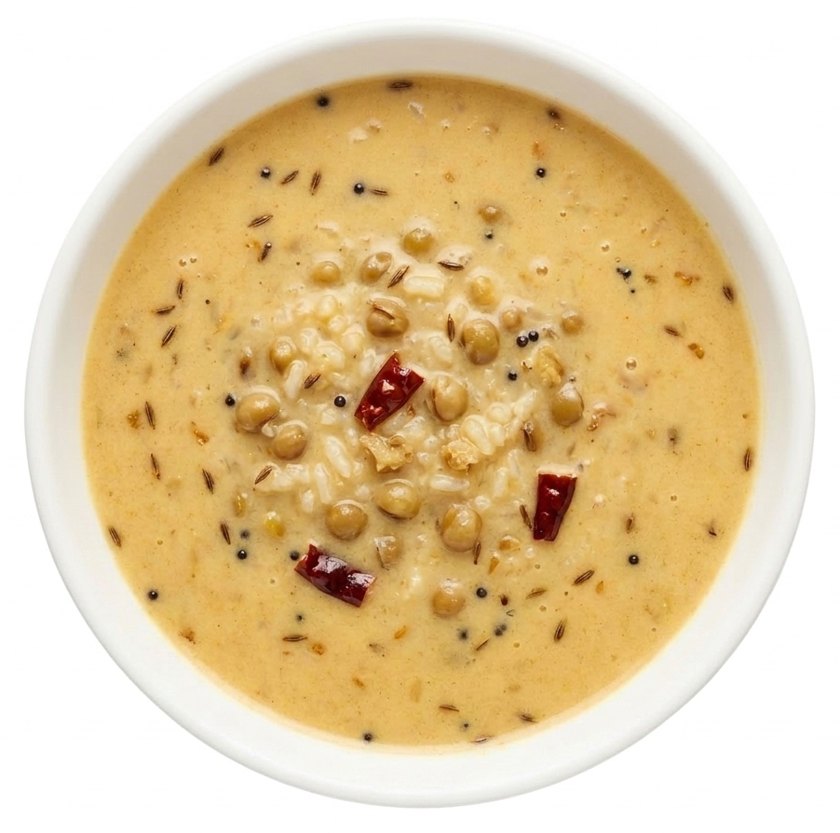
Mandhiya
A light, tangy Rajasthani soup of cooked pigeon peas simmered with whisked yoghurt, amchoor, and aromatic tempered spices.
Ground spices
3.1 gMixed into the yoghurt and pigeon peas (step 2)Tempering spices
1.5 gFried in the hot ghee (step 3)Everything else

Method
- Pound or finely crush 1.2 g ginger to a paste.
- Add the crushed ginger, 150 g cooked pigeon peas, 304 g plain yogurt, 12 g green chilli, the ground spices, salt to taste, and 500 ml of the reserved cooking water to a large saucepan and stir thoroughly to combine.
- Warm 4.4 g ghee in a small frying pan set over medium heat, then tip in the tempering spices and sizzle for about 1 minute until fragrant.
- Stir the hot spiced ghee into the saucepan. Warm over medium-low heat for 5 to 10 minutes until heated through without allowing the liquid to boil, maintaining a thin, soupy texture.
Don't have something?


 Fresh ginger
Use equal weight; scrape off the skin and grate or finely julienne according to the recipe.
 Ginger paste
Use equal weight; stir straight into the sizzling aromatics, taking care as the extra moisture may spit.
 Ground ginger
Use 15 to 20% of the weight; add alongside ground spices, noting it imparts warm, dry heat rather than zesty freshness.


 Wild melon powder
Use the same weight; this is the same spice.
 Dried wild melon
Grind the same weight; it is the same, just freshly ground.
 Dried mango powder
Use about 70% of the weight; it gives similar sourness but lacks kachri’s tenderising effect.


- Dried mango powder
Use the same weight, add early with the spices. Same dried-mango sourness but disperses and colours the dish more evenly.
 Raw green mango
Use about 3 times the weight, grated, and simmer a little longer. Fresher, juicier sourness; adjust salt and sugar.
 Tamarind
Use about 50% of the weight, soaked and extracted. Fruity sourness rather than dry mango tartness.


 Cooked moong dal
Use the same weight. It is softer, quicker and milder; reduce further cooking time and add a little extra salt or spice.
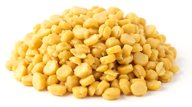 Cooked split chickpeas
Use the same weight. It is firmer and nuttier; mash lightly or simmer 5–10 minutes longer so it blends into the dish.
 Red lentils
Cook the same weight of raw masoor dal until soft, then use in place of cooked toor dal. It is pink, softer and cooks faster, giving a smoother texture.


 Yogurt
Use equal weight, whisked thoroughly until smooth before adding to hot dishes to prevent curdling.
 Coconut milk
Use equal weight with 1 teaspoon lemon juice mixed in. Provides rich creaminess in curries, but adds a noticeable coconut flavour.
 Single cream
Use 80% of the weight plus a squeeze of lemon juice for acidity. Enriches sauces nicely, though it is richer and less tangy.


- Ground ginger
Use 50% of the weight. Mimics turmeric's warm, earthy, rhizome background, but provides none of the golden-yellow colour.
 Saffron
Steep a tiny pinch (0.1 g per 2 g turmeric) in 2 tbsp warm water; use to match the rich golden hue. Contributes an aristocratic, honeyed floral flavour rather than earthy bitterness.


 Lemon juice
Use 15 g (1 tbsp) for every 5 g of amchoor. Stir in at the very end off the heat; adds liquid and fresh citrus aroma rather than dry fruity tang.
 Tamarind extract
Use 75% of the weight, dissolved in a splash of warm water. Simmer briefly; darkens the gravy and provides a deeper, caramelised sourness.


 Red chilli powder
Use 100% of the weight. Provides direct, sharp heat and red colour in equal measure.
 Kashmiri chilli powder
Use 150% to 200% of the weight if matching colour, but add a pinch of black pepper or hot chilli if you need equivalent fiery heat.
 Cayenne pepper
Use 75% to 100% of the weight. Offers a sharp, clean heat with slightly less earthy depth and less crimson colour.


- Chilli powder
Use 10 to 15% of the weight (about 1/4 teaspoon per chilli); imparts dry pungent heat and reddens the dish without the grassy crunch.
 Dried red chilli
Use 1 dried pod per fresh green chilli; snap in half and temper in hot oil for a deeper, toastier heat.


 Unsalted butter
Use 120% of the weight; melt gently over low heat to avoid burning the milk solids, which will yield a softer, creamier richness rather than a nutty aroma.
 Vegetable oil
Use 85% of the weight; holds high cooking temperatures without smoking, but the final dish will lack traditional dairy depth.
 Mustard oil
Use equal weight; heat to smoking point and cool slightly before cooking, bearing in mind it introduces an assertive, pungent edge.


 Ground cloves
Use 1 g ground for 4 g whole (or 1 small pinch per 2 to 3 whole cloves). Add with spice powders; disperses intense warmth quickly, so use with restraint.
 Allspice berries
Use 100% of the weight whole in tempering. Imparts a warm, clove-like aromatic profile combined with hints of nutmeg and cinnamon.
 Black cardamom pod
Use 1 pod for 3 to 4 cloves in whole tempering. Shares a camphor-like warmth and medicinal depth, though it introduces a distinct smoky undertone.


 Ground cumin
Use 70% of the weight; add with ground spices or sauce bases rather than hot oil tempering, where it scorches quickly and turns bitter.
 Black cumin seeds
Use equal weight for oil tempering. Delivers an earthy profile with an additional musky, smoky, and slightly bitter edge.
 Fennel seed
Use 60% of the weight for tempering; offers comparable warm aroma, but leans sweet and liquorice-like rather than savoury and earthy.


 Garlic powder
Use double the weight. Stir into hot oil just before adding wet ingredients; mimics the allium savoury background without the sulphurous edge.
 Garlic paste
Use 2 g for every 0.5 g of asafoetida. Sauté in oil until the raw smell clears; adds moisture and sweet allium depth.


Similar dishes

- Same: Both dishes combine rice with legumes using a ghee tempering seasoned with cumin seeds, turmeric, and asafoetida.
- Different: Venu Pongal is cooked into a thick porridge using split moong dal, black peppercorns, and curry leaves, while omitting the yogurt, amchoor, ginger, cloves, and green chillies used in this soupy dish.
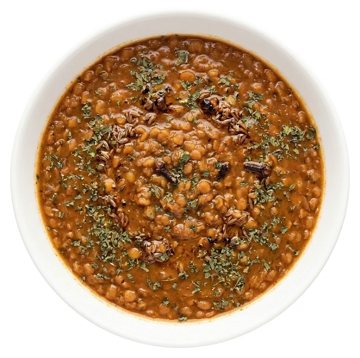
- Same: Both dishes feature lentils cooked in rice water and share a tarka of cumin seeds, cloves, ginger, asafoetida, turmeric, and chilli powder fried in ghee.
- Different: Masoor ki Dal uses red or black lentils, ground coriander, and considerably more fat, omitting this dish's pigeon peas, whisked yogurt, amchoor, and green chillies.

- Same: Both recipes season a combination of lentils and grains with ginger, green chillies, cumin seeds, and asafoetida.
- Different: Masala Idli is a steamed cake made with urad dal, chana dal, and fresh coconut tempered in vegetable oil with mustard seeds and curry leaves, whereas this dish is a soup simmered in ghee with yogurt, pigeon peas, cloves, and turmeric.

- Same: Hari Matar ke Kofte shares with this dish a yoghurt-based tangy sauce seasoned with cumin, asafoetida, turmeric, and chilli.
- Different: Hari Matar ke Kofte uses fried mung bean flour fritters, garlic paste, and a dried red chilli temper, while this dish uses cooked pigeon peas, ginger, ghee, clove, and amchoor, dried green mango, and kachri for sourness.