
Andhra Muthapappu
Andhra muthapappu is a thick, creamy moong dal dish with soft vegetables, grated coconut and a mustard-chilli tempering. It tastes mild, nutty and warmly spiced.
Turmeric for the dal
3 gAdded to the dal and water before cooking (step 1)Tempering spices
12 gFried in the hot oil (step 4)Everything else

Method
- Put 200 g moong dal, 0.3 g salt, the turmeric for the dal and 1093 g water into a saucepan.
- Heat until boiling, then cook over medium heat for 30–35 minutes, stirring often so the dal does not stick.
- Take the pan off the heat and mash with a potato masher or stick blender until thick and smooth; set aside.
- Heat 40.5 g vegetable oil or ghee in a large saucepan over medium heat.
- Add the tempering spices and fry for a few seconds.
- Add 250 g carrot and fry for 2–3 minutes.
- Add 200 g green bean, stir and cook for another 2–3 minutes.
- Add a splash of water and simmer over low heat for 4 minutes, until the vegetables are almost tender.
- Stir in the mashed dal and cook for 1 minute, scraping the bottom of the pan.
- Add 70 g grated coconut and chopped coriander to taste, stir, and serve warm with rice.
Don't have something?

 Red lentils
Use equal weight. It cooks in about the same time and breaks down to a similar soft, creamy consistency, though the colour will be slightly pinkish-orange.
 Pigeon peas
Use equal weight. Requires longer soaking and cooking time, and produces a slightly earthier, denser dal.


 Ground ginger
Use 50% of the weight. Mimics turmeric's warm, earthy, rhizome background, but provides none of the golden-yellow colour.
 Saffron
Steep a tiny pinch (0.1 g per 2 g turmeric) in 2 tbsp warm water; use to match the rich golden hue. Contributes an aristocratic, honeyed floral flavour rather than earthy bitterness.


 Stock
Use the same weight in savoury dishes; it adds body, so adjust salt.
 Milk
Use the same weight only in doughs or creamy dishes; it makes the result richer.
 Coconut water
Use the same weight in curries or rice; it adds sweetness and a faint coconut taste.


 Peanut oil
Use equal weight; handles high tempering heat well and keeps flavours neutral.
 Butter
Use equal weight; cook over gentle heat to prevent browning the milk solids too quickly.


 Mustard seeds
Use equal weight. Pop in hot fat until they crackle and turn greyish; yields an almost identical nutty, pungent finish.
 Yellow mustard seeds
Use equal weight. Fry over medium heat; delivers a milder, sweeter pop and turns bitter quickly if the oil is excessively hot.


 Dried kashmiri chilli
Grind deseeded dried pods to an equal weight of powder; gives identical vivid red colour and gentle warmth.
 Red chilli powder
Use 25% of the weight mixed with sweet paprika for colour; straight red chilli powder is substantially hotter and will make the dish fiery.
 Chilli powder
Use one-third of the weight; the sauce will be less intensely red and notably sharper in heat.


 Coriander seeds
Dry-roast lightly in a pan and grind to a fine powder; use equal weight (1:1). Offers a noticeably fresher, brighter citrus note.
 Ground cumin
Use 50% to 75% of the weight. Lacks the floral, citrusy profile of coriander and turns the gravy heavier, earthier, and darker.
 Garam masala
Use 50% of the weight and stir in near the end of cooking. Adds warmth and depth since it contains ground coriander, but introduces stronger spices like clove and cinnamon.


 Turnip
Use the same weight; peel and cut as for carrot. It is less sweet and slightly peppery, so add a pinch of sugar and expect a softer, more earthy result.
 Potato
Use the same weight; cut into similar pieces and add 5–10 minutes' extra cooking. It gives bulk but no carrot sweetness or colour.
 Courgette
Use the same weight; cut a little larger and add near the end. It releases water, so reduce other liquid slightly and expect a softer texture.



 French bean
Use the same weight, top and tail; same result.
 French green bean
Use the same weight; same result.
 Cluster bean
Use the same weight, cut into lengths; firmer and earthier, cook slightly longer.


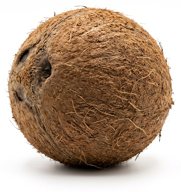
 Fresh coconut
Use equal weight freshly grated or diced. Delivers the identical sweet, milky taste and juicy texture.
 Desiccated coconut
Use 60% of the weight and soak in hot water or milk for 15 minutes before using. The finished dish will be slightly sweeter and less fibrous.
 Dried coconut
Finely grate and use 50% of the weight, soaked in hot water for 20 minutes. Yields a firmer chew and a denser, oilier coconut aroma.


 Coriander leaf
Use equal weight, chopped fresh and stirred in off the heat or used as garnish. Matches the citrus-herbal profile identically.
 Mint
Use 40% to 50% of the weight; chop finely and add at the very end. Adds fresh herbal brightness, but shifts the aroma toward cool menthol.


Similar dishes

- Same: Carrot Bonda and this dish are South Indian lentil-based preparations that both use carrot and coriander.
- Different: Carrot Bonda is a deep-fried urad dal fritter with rice, black peppercorn, green chilli, and ginger, while this dish is a boiled mashed moong dal with green beans, coconut, turmeric, and a mustard-chilli-coriander tempering.
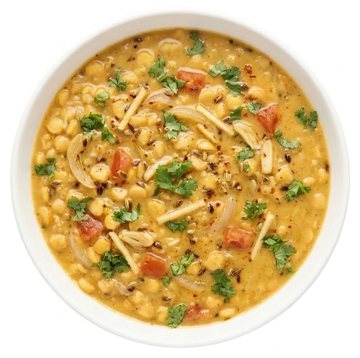
- Same: Tadka Dal shares with this dish a soft, creamy dal base cooked with turmeric, water, salt and oil, then finished with a tempering that includes Kashmiri chilli powder, ground coriander and fresh coriander.
- Different: Tadka Dal uses chana dal instead of moong dal, adds onion, tomato, garlic, ginger, cumin seed and fennel seed, and has no carrot, green beans, coconut or black mustard seed.

- Same: Gajar Kaanji shares carrots, black mustard seed and chilli with this dish.
- Different: Gajar Kaanji is a fermented water-based drink steeped with carrots and mustard, while this dish is a cooked mashed moong dal with coconut, green beans, turmeric, coriander and an oil or ghee tempering.

- Same: Sarasondane wali Phali aur Alu shares green beans, black mustard seed, ground turmeric and vegetable oil or ghee with this dish.
- Different: Sarasondane wali Phali aur Alu has new potato, tomato, ground cumin and dried red chilli flakes, but lacks moong dal, carrot, coconut and ground coriander, and it is a simmered tomato-mustard gravy rather than a mashed dal with a tempering.