
Carrot Bonda
Crisp and golden South Indian lentil fritters studded with grated carrot, fresh ginger, and green chillies.
Ingredients

Method
- Submerge 200 g urad dal and 4 g basmati rice in a bowl of water and leave to soak for 3 hours.
- Drain the soaked dal and rice, transfer to a food processor with salt to taste, and grind into a thick, smooth batter.
- Fold in 12 g green chilli, 12 g ginger, coriander leaf to taste, and the grated carrot until evenly distributed, then roll the batter into lemon-sized balls.
- Pour vegetable oil into a deep pan or kadhai and heat to 180°C (350°F), testing with a small piece of bread that browns within 30 seconds, then drop the flame to low.
- Fry the bondas in batches for 3 to 4 minutes until crisp and deep golden brown all over.
- Lift out with a slotted spoon, drain on kitchen paper, and serve immediately.
Don't have something?


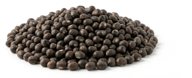 Whole black gram
Use equal weight. Needs longer soaking and cooking; the dark skins impart an earthy flavour and greyish-black hue unless thoroughly rubbed off.
 Chana dal
Use equal weight when tempering (tadka). Provides a comparable nutty, crunchy texture in hot oil, though grains are slightly larger.
 Split mung beans
Use equal weight for batters or dals. Ferments and cooks faster, producing a lighter, less sticky, and less viscous consistency.


 Plain boiled rice
Use 2.5 times the weight if substituting pre-cooked rice. Fold in gently at the end of the recipe; grains will be shorter and less fragrant.


 Coarsely ground black pepper
Use 75% of the weight. Add midway through simmering; spreads heat evenly through the dish instead of delivering isolated bursts.
 Ground black pepper
Use 50% of the weight. Stir in near the end of cooking; significantly darkens light gravies and provides an immediate, sharp bite.


 Turnip
Use the same weight; peel and cut as for carrot. It is less sweet and slightly peppery, so add a pinch of sugar and expect a softer, more earthy result.
 Potato
Use the same weight; cut into similar pieces and add 5–10 minutes' extra cooking. It gives bulk but no carrot sweetness or colour.
 Courgette
Use the same weight; cut a little larger and add near the end. It releases water, so reduce other liquid slightly and expect a softer texture.


 Chilli powder
Use 10 to 15% of the weight (about 1/4 teaspoon per chilli); imparts dry pungent heat and reddens the dish without the grassy crunch.
 Dried red chilli
Use 1 dried pod per fresh green chilli; snap in half and temper in hot oil for a deeper, toastier heat.


 Fresh ginger
Use equal weight; scrape off the skin and grate or finely julienne according to the recipe.
 Ginger paste
Use equal weight; stir straight into the sizzling aromatics, taking care as the extra moisture may spit.
 Ground ginger
Use 15 to 20% of the weight; add alongside ground spices, noting it imparts warm, dry heat rather than zesty freshness.


 Peanut oil
Use 1:1 by weight. Handles high-heat frying identically and introduces a very subtle, pleasant nuttiness.
 Ghee
Use 1:1 by weight. Yields a much richer, authentic aroma and a glossy, heavier mouthfeel.
 Mustard oil
Use 1:1 by weight. Heat until smoking, then cool slightly before cooking to temper its intensely pungent, sharp mustard kick.


Similar dishes

- Same: Kalmi Bare shares with this dish a deep-fried lentil-fritter style built on urad dal, green chilli, black peppercorn, coriander leaf, salt, and vegetable oil.
- Different: Kalmi Bare adds chana dal, coriander seeds, garam masala, chaat masala, and green chutney and is twice-fried, while this dish uses carrot, ginger, and basmati rice and has no chana dal or chaat masala.

- Same: Andhra Muthapappu shares carrot, coriander and vegetable oil with this dish, and neither list includes a souring agent.
- Different: Andhra Muthapappu is a mashed moong dal with green beans, coconut, turmeric, mustard seeds, kashmiri chilli powder and ground coriander, while this dish is a fried urad dal and rice fritter with black peppercorn, green chilli and ginger.

- Same: Paitham Parappu Idli shares urad dal, ginger, green chillies, and coriander leaf with this dish.
- Different: Instead of being deep-fried from a primarily urad dal batter, it incorporates moong dal and fresh coconut into a rice-heavy fermented batter that is steamed.
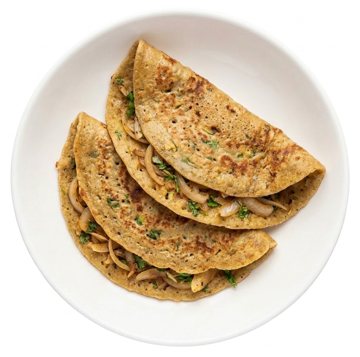
- Same: Like this dish, Pesarattu uses a soaked-lentil batter flavoured with ginger, green chillies, and coriander leaves cooked in vegetable oil.
- Different: Instead of deep-frying an urad dal and carrot batter into round fritters, Pesarattu is griddled as flat pancakes made from moong dal and seasoned with ground cumin, garam masala, and onions.