
Amritsari Machhali
Crisp, double-fried fish fillets coated in a spiced gram flour batter and dusted with a tangy, pungent spice blend. It delivers a deeply crunchy exterior with moist, tender fish inside.
Marinade spices
48 gWhisked into the batter in step 1Finishing spice mix
235 gGround together in step 2Everything else


Method
- In a mixing bowl, combine 3 tablespoon chickpea flour, 4 tablespoons of water, and the marinade spices to create a smooth coating batter. Smear the batter thoroughly over 800 g fish, cover, and refrigerate for 30 minutes.
- Add the finishing spice mix and 4 tablespoon black rock salt to a mortar or spice grinder, grind to a fine powder, then season with salt to taste and set aside.
- Heat vegetable oil for deep-frying in a heavy pan to 180°C (350°F). Fry the marinated fish in batches for 2 to 3 minutes until light golden, then transfer with a slotted spoon to drain on kitchen paper and let cool completely.
- Cut one lengthwise slit and four crosswise slits across each cooled piece of fish.
- Bring the oil back up to 180°C (350°F). Fry the fish in batches a second time for 3 to 5 minutes until crusty and richly browned.
- Drain on kitchen paper, dust with the prepared finishing spice mix, and serve immediately with lemon wedges.
Don't have something?


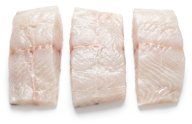 Firm white fish fillet
Use the same weight, cut to the same thickness. Cooking time is almost identical; check after 5 minutes.
 Firm fish fillet
Use the same weight. If thicker, add 2–3 minutes simmering; do not stir roughly.
 Boneless fish
Use the same weight, cut into fillet-like pieces. Check carefully for bones; cooking time is similar.


 Ground cumin
Use 70% of the weight; add with ground spices or sauce bases rather than hot oil tempering, where it scorches quickly and turns bitter.
 Black cumin seeds
Use equal weight for oil tempering. Delivers an earthy profile with an additional musky, smoky, and slightly bitter edge.
 Fennel seed
Use 60% of the weight for tempering; offers comparable warm aroma, but leans sweet and liquorice-like rather than savoury and earthy.


 Coarsely ground black pepper
Use 75% of the weight. Add midway through simmering; spreads heat evenly through the dish instead of delivering isolated bursts.
 Ground black pepper
Use 50% of the weight. Stir in near the end of cooking; significantly darkens light gravies and provides an immediate, sharp bite.


 Mint
Use 3 to 4 times the weight, finely chopped. Stir in towards the very end of cooking; provides a fresher, brighter herbal lift rather than deep, concentrated menthol.
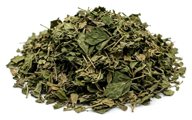 Dried fenugreek leaves
Use equal weight, crushed between your palms. Offers savoury, earthy bitterness rather than cooling mint, but works nicely in marinades and rich gravies.


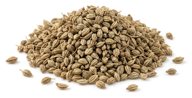 Carom seed
Use the same weight; this is the same spice.
- Cumin seed
Use 75% of the weight, toasted; different, less medicinal flavour.
- Fennel seed
Use 50% of the weight, crushed; sweeter and milder.


 Garlic powder
Use double the weight. Stir into hot oil just before adding wet ingredients; mimics the allium savoury background without the sulphurous edge.
 Garlic paste
Use 2 g for every 0.5 g of asafoetida. Sauté in oil until the raw smell clears; adds moisture and sweet allium depth.


 Lemon juice
Use 15 g (1 tbsp) for every 5 g of amchoor. Stir in at the very end off the heat; adds liquid and fresh citrus aroma rather than dry fruity tang.
 Tamarind extract
Use 75% of the weight, dissolved in a splash of warm water. Simmer briefly; darkens the gravy and provides a deeper, caramelised sourness.


 Ginger paste
Use 300% to 400% of the weight (e.g. 3–4 g paste for 1 g ground). Fry in oil alongside onions; provides a juicy, pungent kick rather than a dry, baking-spice heat.
 Fresh ginger
Peel and grate finely; use 300% to 400% of the weight. Add to the hot oil early; delivers bright, peppery warmth rather than the mellow, woody heat of dry ginger.
 Ground mace
Use 50% of the weight. Imparts a warm, spicy undertone in rich gravies, but lacks ginger's fiery, sharp zest.


 Green chilli
Use 100% of the weight, finely minced or ground into a smooth paste. Provides sharp heat while preserving the light colour of delicate kormas.
 Kashmiri chilli powder
Use 50% to 75% of the weight. It brings mild heat but will turn pale or white sauces noticeably orange-red.
 Red chilli powder
Use 50% of the weight. Gives strong, sharp heat, but will stain cream-based or yellow Mughlai gravies red.


 Peanut oil
Use 1:1 by weight. Handles high-heat frying identically and introduces a very subtle, pleasant nuttiness.
 Ghee
Use 1:1 by weight. Yields a much richer, authentic aroma and a glossy, heavier mouthfeel.
 Mustard oil
Use 1:1 by weight. Heat until smoking, then cool slightly before cooking to temper its intensely pungent, sharp mustard kick.


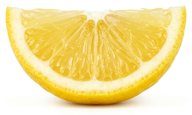
 Lime wedge
Use the same weight; it is sharper and more floral, so taste before adding extra salt or sugar.
 Lemon slice
Use the same weight; a slice gives less juice than a wedge, so squeeze it or add a little lemon juice.
- Lemon juice
Use about 10–15 g juice for one wedge (roughly 2 tsp), adding at the end; it lacks the peel's aromatic oil.


 Yellow split pea flour
Use 100% of the weight. Many commercial gram flours are milled from split peas; performs identically in pakora batters and kadhi.
 Cornstarch
For crisping batters or binding cutlets: use 50% to 60% of the weight. Produces a very crisp shell but lacks the earthy, roasted nutty flavour of besan.


 Garlic
Use equal weight; crush or finely grate to a smooth pulp to replicate the same fresh, pungent moisture in your base gravy.
- Garlic powder
Use 20 to 25% of the weight; mix with a teaspoon of water before adding to oil so it does not burn, noting it lacks the fresh bite.

- Fresh ginger
Use equal weight; peel and grate very finely on a microplane or pound to a fine paste in a mortar.
 Ginger
Use equal weight; mince finely and crush with the flat of a knife before frying.
- Ground ginger
Use 20% of the weight; add directly with the dry spice powders, though it yields an earthier, less pungent profile.


- Red chilli powder
Use 100% of the weight. Provides direct, sharp heat and red colour in equal measure.
- Kashmiri chilli powder
Use 150% to 200% of the weight if matching colour, but add a pinch of black pepper or hot chilli if you need equivalent fiery heat.
 Cayenne pepper
Use 75% to 100% of the weight. Offers a sharp, clean heat with slightly less earthy depth and less crimson colour.

Similar dishes

- Same: Meen Dakhani shares firm white fish, ginger paste, garlic paste, chilli powder, cumin seed, vegetable oil, and salt with this dish.
- Different: Meen Dakhani is a tamarind-based curry with onions, green chilli, mustard seed, curry leaf, and coriander leaf, while this dish is a double-fried gram flour-battered fish with amchoor, black rock salt, asafoetida, dried mint, black peppercorn, and yellow chilli powder.

- Same: Both dishes feature fish seasoned with cumin, asafoetida, ground ginger, and chilli powder.
- Different: Ranith Gaad is a curry simmered in mustard oil with cloves and Kashmiri garam masala, whereas this dish is battered in chickpea flour and deep-fried in vegetable oil with ajwain, garlic, dried mint, and amchoor.

- Same: Mahi Tikka Ajwaini also uses fish flavoured with ajwain seeds, yellow chilli powder, ginger, and garlic.
- Different: Mahi Tikka Ajwaini is skewered and roasted in mustard oil with lemon juice and turmeric instead of being battered in chickpea flour and deep-fried in vegetable oil.

- Same: Sookhe Masala ki Machhali also coats and fries fish seasoned with ginger paste, garlic paste, and chilli powder.
- Different: Instead of this dish's chickpea flour batter double-fried in vegetable oil, Sookhe Masala ki Machhali is breadcrumb-coated, seasoned with lime and ground coriander, and shallow-fried in ghee without ajwain or amchoor.