Indian cooking
Indian cooking / Dishes / Machhali Tamatarwali
Machhali Tamatarwali (Fish in Tomato Sauce)

Machhali Tamatarwali

Fish in Tomato Sauce
Non-vegetarian●●●Origin PunjabPrep 30 minutesCook 25 minutes

Tender pieces of fish are gently simmered in a vibrant, spiced tomato and onion gravy. The dish balances the bright acidity of crushed tomatoes with warm aromatic spices and the fresh bite of green chillies.

Spices for the onions

1.6 gAdded to the hot fat with the onions (step 3)
01
~0.3 gpinch
spice
02
1.3 g½ teaspoon
spice
Keep together until ready to fry.

Ground spices for the sauce

6 gStirred into the simmering tomato mixture (step 4)
01
2.6 g1 teaspoon
spice
02
1.8 g1 teaspoon
spice
03
1.8 g1 teaspoon
spice
Blend the ground spices together.

Everything else

02
500 g
vegetable
04
300 g2 onions
vegetable
05
1.8 g½ teaspoon
flour
06
Green chilli · Hari Mirchde-seeded and chopped
12 g2 chillies
vegetable
07
to taste
salt
08
~1 g1 sprig
herb

Method

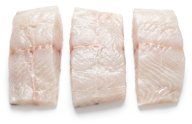
  1. Portion 800 g fish into roughly 8 cm (3 inch) pieces. Lower the fish into a saucepan of boiling water, simmer for 2 minutes until tender, then drain thoroughly and leave to cool.
  2. Immerse 500 g tomatoes in boiling water for 30 seconds, then immediately plunge them into cold water. Slip off the skins and crush the flesh into a rough pulp using a potato masher.
  3. Warm 100 g ghee or vegetable oil in a wide, heavy-bottomed pan set over medium-low heat. Add 300 g onion along with the spices for the onions and fry for 5 to 7 minutes until the onions turn rich golden brown.
  4. Stir the mashed tomatoes, 12 g green chilli, 0.5 teaspoon ground turmeric, the ground spices for the sauce, and salt to taste into the pan. Cook for 3 to 4 minutes until the sauce visibly thickens.
  5. Turn the heat down to low, nestle the cooked fish pieces into the sauce, and simmer gently for about 8 minutes until hot and fully cooked through. Top with 1 g coriander leaf before taking off the heat.

Don't have something?

Firm white fish fillet
  • Firm white fish

    Use the same weight, clean and cut into fillet-sized pieces. Cooking time is the same; remove any bones.

  • Firm fish fillet

    Use the same weight. Check thickness; thick pieces may need 2–3 minutes more simmering.

  • Skinless firm white fish fillet

    Use the same weight. Skinless flakes more; handle gently and add late.

Tomato
  • Tomato purée

    Use 40% to 50% of the fresh tomato weight mixed with a splash of water. Imparts a deeper red colour, thicker sauce, and slightly sweeter cooked flavour.

  • Plain yogurt

    Use 60% of the weight, whisked smooth and added on low heat. Provides rich body and sourness, though the gravy becomes paler and creamier.

Ghee or vegetable oil
  • Peanut oil

    Use equal weight; handles high tempering heat well and keeps flavours neutral.

  • Butter

    Use equal weight; cook over gentle heat to prevent browning the milk solids too quickly.

Asafoetida
  • Garlic powder

    Use double the weight. Stir into hot oil just before adding wet ingredients; mimics the allium savoury background without the sulphurous edge.

  • Garlic paste

    Use 2 g for every 0.5 g of asafoetida. Sauté in oil until the raw smell clears; adds moisture and sweet allium depth.

Ground cumin
  • Cumin seed

    Dry-roast briefly and grind finely; use equal weight (1:1). Imparts an even punchier, nuttier, toasty aroma than pre-ground cumin.

  • Ground coriander

    Use equal weight (1:1). Adds mild, lemony sweetness rather than cumin's smoky, earthy bite; curries will taste lighter and less savoury.

  • Black cumin seeds

    Grind finely; use 60% to 75% of the weight. Produces a darker, more complex, smoky-herbal flavour suited to rich gravies.

Onion
  • Shallot

    Use equal weight, finely sliced. Shallots soften and brown faster, giving a slightly sweeter and more delicate base to curries.

  • Cabbage

    Use 80% of the weight, finely shredded and browned slowly with a pinch of asafoetida. Replicates the bulk and natural sweetness in gravies without allium.

Chilli powder
  • Red chilli powder

    Use 100% of the weight. Provides direct, sharp heat and red colour in equal measure.

  • Kashmiri chilli powder

    Use 150% to 200% of the weight if matching colour, but add a pinch of black pepper or hot chilli if you need equivalent fiery heat.

  • Cayenne pepper

    Use 75% to 100% of the weight. Offers a sharp, clean heat with slightly less earthy depth and less crimson colour.

Ground ginger
  • Ginger paste

    Use 300% to 400% of the weight (e.g. 3–4 g paste for 1 g ground). Fry in oil alongside onions; provides a juicy, pungent kick rather than a dry, baking-spice heat.

  • Fresh ginger

    Peel and grate finely; use 300% to 400% of the weight. Add to the hot oil early; delivers bright, peppery warmth rather than the mellow, woody heat of dry ginger.

  • Ground mace

    Use 50% of the weight. Imparts a warm, spicy undertone in rich gravies, but lacks ginger's fiery, sharp zest.

Ground coriander
  • Coriander seeds

    Dry-roast lightly in a pan and grind to a fine powder; use equal weight (1:1). Offers a noticeably fresher, brighter citrus note.

  • Ground cumin

    Use 50% to 75% of the weight. Lacks the floral, citrusy profile of coriander and turns the gravy heavier, earthier, and darker.

  • Garam masala

    Use 50% of the weight and stir in near the end of cooking. Adds warmth and depth since it contains ground coriander, but introduces stronger spices like clove and cinnamon.


Semolina
  • Coarse semolina

    Use the same weight. Soak 10 minutes longer and cook 2–3 minutes more; texture will be more granular.

  • Fine semolina

    Use the same weight. It cooks faster, so reduce cooking time by 2 minutes and stir well to avoid lumps.

  • Cream of wheat

    Use the same weight. It behaves like fine semolina; cook 1–2 minutes less and add liquid gradually.

Green chilli
  • Chilli powder

    Use 10 to 15% of the weight (about 1/4 teaspoon per chilli); imparts dry pungent heat and reddens the dish without the grassy crunch.

  • Dried red chilli

    Use 1 dried pod per fresh green chilli; snap in half and temper in hot oil for a deeper, toastier heat.

Coriander leaf
  • Coriander

    Use equal weight finely chopped; this is the exact same fresh herb.

  • Mint

    Use half the weight finely chopped; provides vibrant green freshness, though the flavour profile becomes noticeably cooler and sharper.

Similar dishes

Kerala Thakkali Meen Kari
Soupy Spiced Tomato and Fish Curry with Garlic, Chilli, Lime and Curry Leaves
Kerala Thakkali Meen Kari tastes tangier and sharper from lime and chilli with curry-leaf and mustard aroma, while this dish tastes more warmly spiced from cumin and asafoetida with bright tomato acidity and green-chilli bite.
  • Same: Kerala Thakkali Meen Kari shares with this dish a base of fish, tomato, onion, chilli and coriander in a spiced gravy.
  • Different: Kerala Thakkali Meen Kari uses coconut oil, black mustard seed, curry leaves, garlic, lime, turmeric, tomato purée and water for a thin soupy monkfish curry, while this dish uses ghee or vegetable oil, asafoetida, cumin, semolina and green chilli for a thicker firm-white-fish gravy.
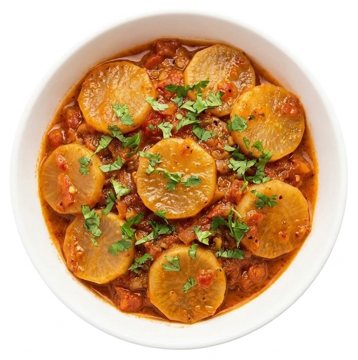
Tamatar Mooli
Spicy Tomatoes & Radishes
Tamatar Mooli is sweeter and tangier with a peppery crunch and bitter note from fenugreek, lacking the savoury onion richness and sharp green chilli heat of this dish.
  • Same: Tamatar Mooli shares a spiced tomato base seasoned with cumin, asafoetida, chilli powder, ground coriander, and ground ginger.
  • Different: Instead of fish and onions simmered in a gravy with green chillies, it braises radishes in vegetable oil with fenugreek seeds, fresh ginger, and sugar, omitting the onions.
Masor Tenga
Sour Fish
Masor Tenga is lighter, tarter, and distinctly more sour, lacking the rich, warm heat of this dish's chillies and spices.
  • Same: Masor Tenga also features fish simmered in a tomato base.
  • Different: It uses mustard oil instead of ghee or vegetable oil, seasons simply with fenugreek seeds and turmeric rather than onions, ginger, and cumin, and incorporates bottle gourd and lime juice.
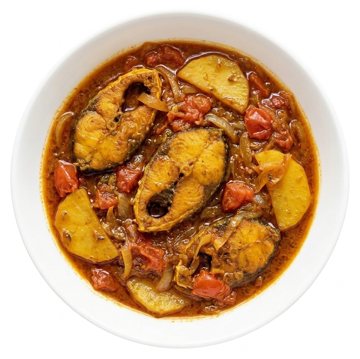
Year Chapa
Fried Fish in Tomato Sauce
Year Chapa tastes heartier and richer from potato and deep-fried fish, with garlic-ginger savouriness, and is less fresh-chilli bright than this dish.
  • Same: Year Chapa shares a tomato-onion gravy with ground coriander, cumin and chilli powder and firm white fish with this dish.
  • Different: Year Chapa adds 900 g potato, deep-fries the fish first, and uses vegetable oil, turmeric, ginger paste and garlic paste, while this dish uses ghee or oil, asafoetida, semolina, ground ginger and green chilli and has no potato or garlic.