
Shengdana Beanschi Bhaji
Chargrilled green beans tossed with toasted sesame, crushed peanuts, coriander and chilli, then finished with lemon and fresh coriander. The beans taste smoky and nutty, with a bright lemon lift and a mild chilli warmth.
Toasted sesame and ground spices
30 gSesame toasted first, then all stirred in after the beans return (steps 1 and 4)Everything else
Method
- Set a large dry frying pan over medium heat. Add 18 g white sesame seed and toast for 1–2 minutes, shaking the pan often. Turn out onto a plate and leave until needed.
- Raise the heat to high. Add 600 g green bean, in batches if the pan is crowded, and cook for 7–8 minutes until they start to colour and char in places. Move the beans to a plate.
- Lower the heat to medium. Pour 40.5 g vegetable oil into the same pan, add 18 g garlic and fry for 20 seconds. Put the green beans back in and stir well.
- Stir in 27 g peanut and the masala (the toasted sesame with 10.2 g coriander seeds and 1.3 g kashmiri chilli powder). Turn the heat to low and cook, stirring, for 2–3 minutes. Season to taste.
- Switch off the heat. Add 50 g lemon zest and juice and stir through.
- Scatter over 2 g coriander leaf and serve the beans warm.
Don't have something?


 Sesame seeds
Use 100% of the weight. Toast lightly in a dry pan until fragrant; works identically in gravies, spice blends, and tadkas.
 Poppy seed
Use 80% of the weight, soaked in hot water and ground to a paste. Perfect for thickening kormas and royal gravies without altering the pale colour.
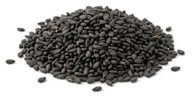 Black sesame seeds
Use 100% of the weight. It has an earthier, slightly more bitter flavour and will dramatically darken the dish.



 French bean
Use the same weight, top and tail; same result.
 French green bean
Use the same weight; same result.
 Cluster bean
Use the same weight, cut into lengths; firmer and earthier, cook slightly longer.


 Peanut oil
Use 1:1 by weight. Handles high-heat frying identically and introduces a very subtle, pleasant nuttiness.
 Ghee
Use 1:1 by weight. Yields a much richer, authentic aroma and a glossy, heavier mouthfeel.
 Mustard oil
Use 1:1 by weight. Heat until smoking, then cool slightly before cooking to temper its intensely pungent, sharp mustard kick.



 Garlic paste
Use equal weight. Fry gently in oil or ghee with the ginger; incorporates smoothly into curries without visible minced bits.
 Garlic powder
Use 15% to 20% of the weight (about 1 g for every 5 to 6 g fresh cloves). Whisk into sauces; gives a savoury, toasted garlic flavour without raw pungency.
 Shallot
Use 1.5 times the weight, very finely minced. Sauté until golden; provides savoury allium sweetness, though it lacks garlic's pungent sulphur bite.


 Roasted peanut
Use the same weight; adjust salt if they are already salted, and crush or grind as the recipe asks.
 Cashew nut
Use the same weight; they are richer and softer, so roast for a shorter time and reduce added fat.
 Almond
Use the same weight; blanch and peel for sauces, or chop for texture. They are firmer and less oily.


 Ground coriander
Use 75% of the weight; stir in along with wet masala or tomato purée rather than frying in hot oil, as the fine powder burns instantly.
 Cumin seed
Use 50% of the weight for tempering in hot oil. Lacks the floral, sweet citrus flavour of coriander, introducing warm, pungent earthiness instead.
 Fennel seed
Use 50% of the weight in tempering; provides pleasant aromatic sweetness, though noticeably aniseedy rather than citrusy.


 Dried kashmiri chilli
Grind deseeded dried pods to an equal weight of powder; gives identical vivid red colour and gentle warmth.
 Red chilli powder
Use 25% of the weight mixed with sweet paprika for colour; straight red chilli powder is substantially hotter and will make the dish fiery.
 Chilli powder
Use one-third of the weight; the sauce will be less intensely red and notably sharper in heat.


 Lime
Use the same weight or juice amount; sharper, so taste before adding all the juice.
 Lemon juice
Use about 45–50 ml for 1 lemon; add off the heat to keep the freshness.
 Dried mango powder
Use 1 tsp for the juice of 1 lemon; add early. Sourness is flatter and less fresh.


Similar dishes

- Same: Peanut Chutney shares peanuts, white sesame, vegetable oil, Kashmiri chilli powder and lemon with this dish.
- Different: It is a thick chutney made mainly from roasted peanuts and sesame with caster sugar and sea salt, and it lacks green beans, garlic and coriander, while this dish is chargrilled green beans tossed with garlic, crushed peanuts, toasted sesame, coriander and chilli.

- Same: Gujarati Choli Nu Shaak shares green beans, vegetable oil, Kashmiri chilli powder, coriander seeds and coriander leaf with this dish.
- Different: It adds potato, water, carom seed, turmeric, sugar and salt, and it is a dry tempering-style shaak, while this dish lacks those ingredients and uses garlic, peanuts, sesame seeds and lemon in a chargrilled toss.

- Same: Spiced Snake Beans with Peanuts shares beans, peanuts and chilli heat with this dish.
- Different: It uses snake beans blanched then tossed in a butter tempering of fennel, cumin, onion, fenugreek and mustard seeds with dried red chillies, while this dish chargrills green beans in vegetable oil with garlic, sesame, coriander seeds, Kashmiri chilli and lemon.

- Same: Maharashtrian Thecha shares vegetable oil, garlic, peanuts, coriander leaf and chilli with this dish, and both have a nutty garlicky profile.
- Different: Maharashtrian Thecha uses fresh green bird's-eye chillies as its main ingredient plus cumin seed and sea salt, and it lacks this dish's green beans, sesame seeds, coriander seeds, Kashmiri chilli powder and lemon; it is pounded into a coarse relish rather than chargrilled and tossed.