
Spiced Snake Beans with Peanuts
Snake beans blanched until just tender, then tossed in a butter tempering of whole spices and dried chillies and finished with crushed peanuts. The flavour is nutty, aromatic and hot.
Whole spices for the tempering
209 gTempered in butter before tossing with the beans (step 4)Everything else

Method
- Blanch 400 g snake bean in boiling water salted with sea salt for 2 minutes, then drain.
- Melt butter to taste in a frying pan over medium heat.
- Fry the whole spices for the tempering in the butter: add 2 g fennel seed, 2.1 g cumin seed, 1.8 g onion seed, 1.9 g fenugreek seed and 1.6 g mustard seed and cook for about 1 minute until fragrant, then stir in 200 g dried red chilli for a few seconds.
- Pour the tempering over the beans, season with sea salt to taste and mix well.
- Scatter 200 g roasted unsalted peanut, crushed, over the beans.
Don't have something?


 French bean
Use the same weight; top and tail, cut to the same length. Cooks 2–3 minutes faster, so check sooner.
 Green bean
Use the same weight; same preparation. Slightly softer and quicker to cook.
 Cluster bean
Use the same weight; cut and simmer 5 minutes longer. Firmer and more textured.


 Unsalted butter
Use 100% of the weight. If the original recipe relies on salted table butter, add a pinch of salt to balance.
 Ghee
Use 80% to 85% of the weight. Ghee is pure butterfat with moisture removed; it yields a deeper, nuttier flavour and handles high heat better.
 Vegetable oil
Use 80% of the weight for frying or tempering. The dish loses sweet dairy richness but remains glossy and light.


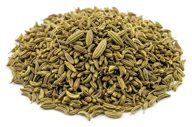 Aniseed
Use 75% of the weight. Fry in hot oil or ghee; has a sharper, more pronounced liquorice flavour, so use a lighter hand.
 Ground fennel seed
Use 60% of the weight. Stir into the sauce with ground masalas; provides identical sweet aniseed flavour without whole seed crunch.
 Star anise
Use one point (single carpel) per 1 g of fennel seeds. Simmer in gravies and remove before serving; gives a deeper, woodier liquorice aroma.


 Ground cumin
Use 70% of the weight; add with ground spices or sauce bases rather than hot oil tempering, where it scorches quickly and turns bitter.
 Black cumin seeds
Use equal weight for oil tempering. Delivers an earthy profile with an additional musky, smoky, and slightly bitter edge.
- Fennel seed
Use 60% of the weight for tempering; offers comparable warm aroma, but leans sweet and liquorice-like rather than savoury and earthy.


- Black cumin seeds
Use equal weight. Imparts an earthy, slightly bitter note in temperings, though it lacks nigella's oniony sharpness.
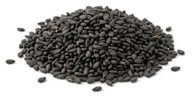 Black sesame seeds
Use equal weight. Gives a similar speckled appearance and light crunch on breads, but provides a nutty rather than herbaceous, onion-like flavour.


 Mustard seed
Use 50% of the weight, crush or grind. Sharper heat and less maple-bitter; fry briefly in oil before adding.
 Caraway seeds
Use the same weight, crush lightly. Similar bitter-seed note but more aniseed; reduce other sweet spices slightly.
 Ajwain seeds
Use 25–30% of the weight, crush. Much stronger thyme-like flavour; do not overdo.


 Black mustard seed
Use the same weight. The seeds are smaller and hotter; fry in hot oil until they pop, about 20–30 seconds, and reduce the heat if they darken too fast. The dish will be a little sharper.
 Yellow mustard seeds
Use the same weight. They are milder and larger; fry a few seconds longer until they pop. The finished dish will have less pungency.
 Ground mustard seed
Use 70% of the weight of whole seed, added with the other ground spices rather than fried whole. You lose the popping texture and the heat comes through more evenly.


 Dried kashmiri chilli
Use equal weight whole. Fry in hot oil or ghee as tempered spice; gives a richer red colour with slightly milder heat.
 Red chilli powder
Use 50% to 70% of the weight. Stir into the oil with ground spices; distributes heat evenly throughout the dish without whole chilli skins.


 Peanut
Dry-roast raw peanuts until spotted and fragrant; use the same weight.
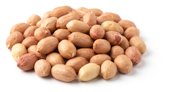 Shelled peanut
Roast and rub off skins; use the same weight.
 Roasted cashew nut
Use the same weight for a milder crunch; less earthy, so adjust salt.


Similar dishes

- Same: Shengdana Beanschi Bhaji shares peanuts and a nutty finish with this dish, and both are bean dishes.
- Different: Shengdana Beanschi Bhaji uses chargrilled green beans, garlic, sesame, coriander, Kashmiri chilli powder, lemon and vegetable oil, while this dish uses blanched snake beans with a butter tempering of fennel, cumin, onion, fenugreek and mustard seeds plus dried red chillies.
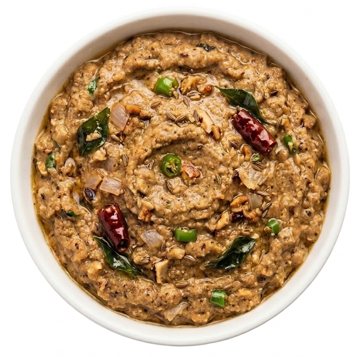
- Same: Moongphali ki Chutney shares peanuts, cumin seed, and dried red chilli with this dish, and both are nutty and hot.
- Different: Moongphali ki Chutney is a chutney with tamarind, dried coconut, green chilli, onion, asafoetida, curry leaf, and vegetable oil, while this dish is blanched snake beans tossed in a butter tempering of whole spices and crushed peanuts.

- Same: Kairas shares peanuts, dried red chilli, mustard seed and cumin seed with this dish.
- Different: It uses bell peppers in a coconut-tamarind-jaggery gravy with vegetable oil, while this dish blanches snake beans and tosses them in butter with more whole spices.

- Same: Khatta Meetha Kaddu shares a whole-spice tempering with this dish, including cumin seed, mustard seed, fennel seed, fenugreek seed and dried red chilli.
- Different: Khatta Meetha Kaddu is a pumpkin mash soured with lemon juice and sweetened with jaggery, while this dish is blanched snake beans tossed in butter with crushed peanuts; it uses mustard oil or ghee, asafoetida, nigella seeds, green chilli and coriander leaf, and lacks peanuts and butter.