
Rasakalan
A comforting South Indian curry of tender ash gourd simmered in a coconut and yoghurt sauce. It has a gentle balance of cooling tanginess, mild heat, and earthy spices.
Whole spices for the paste
6 gFried before blending into the paste (step 1)Turmeric for the gourd
1.5 gStirred into the boiling water (step 2)Tempering spices
4.3 gSizzled in hot oil (step 3)Everything else

Method
- Warm 2 tsp oil in a deep frying pan or kadhai over medium heat. Fry the whole spices for the paste for roughly 1 minute until aromatic. Take the pan off the heat, combine with 80 g coconut, 4 g basmati rice, 12–18 g green chilli, and 30–45 ml (2–3 tbsp) water, then blitz in a blender to a fine paste. In a mixing bowl, thoroughly whisk this ground mixture with 507 g plain yogurt, 2 tbsp jaggery or sugar, and salt to taste, then set aside.
- Pour 250 ml water into the empty pan and bring it to a rolling boil. Stir in 115 g ash gourd cubes and the turmeric for the gourd, then drop the heat to a simmer and cook for 5–7 minutes until tender. Strain the gourd pieces and set them aside.
- Heat 2 tsp oil in the pan over medium heat. Tip in the tempering spices and 1 g curry leaf, frying for about 1 minute until the mustard seeds crackle.
- Fold in the whisked yoghurt sauce and the cooked ash gourd. Reduce the heat to low and warm through for 3 minutes, stirring constantly throughout to stop the yoghurt from splitting.
Don't have something?


 Yogurt
Use equal weight, whisked thoroughly until smooth before adding to hot dishes to prevent curdling.
 Coconut milk
Use equal weight with 1 teaspoon lemon juice mixed in. Provides rich creaminess in curries, but adds a noticeable coconut flavour.
 Single cream
Use 80% of the weight plus a squeeze of lemon juice for acidity. Enriches sauces nicely, though it is richer and less tangy.


 Jaggery
Grate or crush the same weight; it is the same sweetener, perhaps a little more mineral.
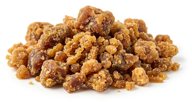 Crushed jaggery
Use the same weight; it is the same ingredient in a easier form.
 Brown sugar
Use the same weight; it is less deep and mineral than jaggery, so the dish tastes slightly less caramel-like.


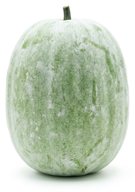
 Pumpkin
Use the same weight; peel and cube. It is sweeter and softer, so reduce the simmer by 2–3 minutes.
 Bottle gourd
Use the same weight; peel and cube. It cooks similarly but is milder and more watery, so simmer uncovered for 2 minutes longer.
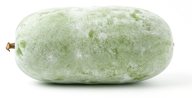 Wax gourd
Use the same weight; peel and cube. It is the closest texture, though it may need 2 minutes more cooking.


 Ground ginger
Use 50% of the weight. Mimics turmeric's warm, earthy, rhizome background, but provides none of the golden-yellow colour.
 Saffron
Steep a tiny pinch (0.1 g per 2 g turmeric) in 2 tbsp warm water; use to match the rich golden hue. Contributes an aristocratic, honeyed floral flavour rather than earthy bitterness.


 Vegetable oil
Use the same weight; it is neutral and will not add coconut aroma.
 Groundnut oil
Use the same weight; mild and good for frying, but no coconut flavour.
 Ghee
Use the same weight for richness; it adds a dairy aroma and is not vegan.


 Mustard seed
Use 50% of the weight, crush or grind. Sharper heat and less maple-bitter; fry briefly in oil before adding.
 Caraway seeds
Use the same weight, crush lightly. Similar bitter-seed note but more aniseed; reduce other sweet spices slightly.
 Ajwain seeds
Use 25–30% of the weight, crush. Much stronger thyme-like flavour; do not overdo.


 Dried kashmiri chilli
Use equal weight whole. Fry in hot oil or ghee as tempered spice; gives a richer red colour with slightly milder heat.
 Red chilli powder
Use 50% to 70% of the weight. Stir into the oil with ground spices; distributes heat evenly throughout the dish without whole chilli skins.


 Chilli powder
Use 10 to 15% of the weight (about 1/4 teaspoon per chilli); imparts dry pungent heat and reddens the dish without the grassy crunch.
- Dried red chilli
Use 1 dried pod per fresh green chilli; snap in half and temper in hot oil for a deeper, toastier heat.

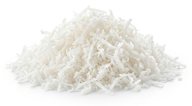
 Fresh coconut
Use the same weight and grate finely; no real change, just more work.
 Desiccated coconut
Use 60–70% of the weight, soak in 2 tbsp warm milk or water for 10 minutes and squeeze dry; drier and sweeter, so reduce added sugar.
 Dried coconut
Use 60% of the weight, soak in warm water for 20 minutes, then grate or grind; coarser and less juicy.


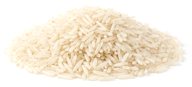
 Plain boiled rice
Use 2.5 times the weight if substituting pre-cooked rice. Fold in gently at the end of the recipe; grains will be shorter and less fragrant.


 Black mustard seed
Use the same weight. The seeds are smaller and hotter; fry in hot oil until they pop, about 20–30 seconds, and reduce the heat if they darken too fast. The dish will be a little sharper.
 Yellow mustard seeds
Use the same weight. They are milder and larger; fry a few seconds longer until they pop. The finished dish will have less pungency.
 Ground mustard seed
Use 70% of the weight of whole seed, added with the other ground spices rather than fried whole. You lose the popping texture and the heat comes through more evenly.


 Bay leaf
Fry 1 bay leaf for every 5 curry leaves in hot oil; imparts a warm, woodsy background note, but misses the citrus-sulphury punch entirely.
 Lime juice
Add a small squeeze (about 5 ml per sprig of curry leaves) right before serving; provides sharp citrus top notes without the toasty, herbal aroma.

Similar dishes

- Same: Like this dish, Mai Kan features ash gourd seasoned with ground turmeric, dried red chillies, and salt.
- Different: Mai Kan is prepared as a dry fry in vegetable oil without the yoghurt, green chillies, curry leaves, fenugreek seeds, or mustard seeds used in this dish.

- Same: Kumbalanga Olan also features ash gourd cooked with green chillies and fresh curry leaves.
- Different: Kumbalanga Olan uses coconut milk instead of yogurt, adds black-eyed peas, and omits the turmeric, fenugreek seeds, mustard seeds, and dried red chillies found in this dish.

- Same: Gongura Pachadi shares a tempering of mustard seeds, fenugreek seeds, dried red chillies, green chillies, turmeric, and curry leaves with this dish.
- Different: Instead of simmering dairy yogurt into a liquid curry, Gongura Pachadi is an oil-based condiment made with sour sorrel leaves, toasted sesame seeds, cumin, coriander, and urad dal.

- Same: Both curries share a seasoning base of mustard seeds, fenugreek seeds, dried red chillies, green chillies, turmeric, and curry leaves.
- Different: Instead of a yoghurt base thickened with rice, Andhra Pulussu uses tamarind sweetened with jaggery, thickens with chickpea flour, and adds ginger, asafoetida, and urad dal.