Indian cooking
Indian cooking / Dishes / Kumbalanga Olan
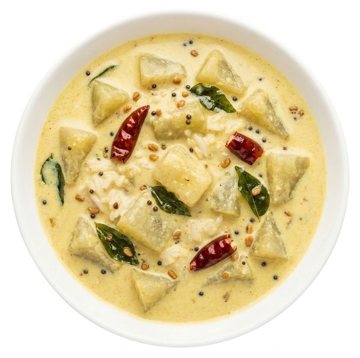
Kumbalanga Olan (Ash Gourd Curry with Coconut Milk)

Kumbalanga Olan

Ash Gourd Curry with Coconut Milk
Vegetarian●●●Origin Tamil NaduPrep 15 minutes–1½ hours, plus soaking timeCook 35 minutes

A gentle, mildly spiced Kerala stew of tender ash gourd and black-eyed peas simmered in rich coconut milk. Finished with an aromatic tempering of crisp curry leaves, it has a delicate, earthy flavour.

Ingredients

01
Red cowpea · Lal Lobia(black eyed peas), rinsed
100 g
legume
02
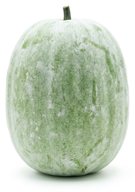
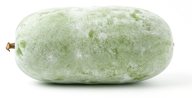
Ash gourd · Pethapeeled and cut into 2.5-cm / 1-inch pieces
200 g
vegetable
03
Green chilli · Hari Mirchslit in half lengthways and de-seeded
36 g6 chillies
vegetable
04
3.8 g15 leaves
herb
06
27 g2 tablespoons
oil/fat
07
to taste
salt

Method

  1. Soak 100 g black eyed peas in plenty of water overnight.
  2. Drain and rinse the black-eyed peas. Transfer to a pressure cooker and cook under pressure for 10 minutes, or alternatively simmer in a large pot of water for 60 to 90 minutes until completely tender.
  3. Bring a large pan of water to a boil, then add 200 g ash gourd, 36 g green chilli, roughly half of the 3.8 g curry leaf, and salt to taste. Boil for about 30 minutes until the gourd is tender.
  4. Drain the gourd mixture and let it cool slightly in a bowl, then crush lightly using a potato masher or wooden spoon.
  5. Stir the cooked black-eyed peas and 254 g coconut milk into the mashed gourd. Transfer everything to a clean saucepan and simmer gently for 2 minutes.
  6. Warm 27 g vegetable oil in a small skillet over high heat, then turn down the flame. Toss in the remaining curry leaf and fry for around 30 seconds until it deepens in colour, then immediately pour the infused oil over the curry.

Don't have something?

Red cowpea
  • Black-eyed pea

    Use the same weight; soak and cook the same way. Closest texture and mild earthy taste.

  • Kidney bean

    Use the same weight; soak 6–8 hours and cook longer until soft. Firmer, larger and more robust.

  • Chickpea

    Use the same weight; soak overnight and cook longer. Nutty and firm, not as soft.

Ash gourd
  • Pumpkin

    Use the same weight; peel and cube. It is sweeter and softer, so reduce the simmer by 2–3 minutes.

  • Bottle gourd

    Use the same weight; peel and cube. It cooks similarly but is milder and more watery, so simmer uncovered for 2 minutes longer.

  • Wax gourd

    Use the same weight; peel and cube. It is the closest texture, though it may need 2 minutes more cooking.

Green chilli
  • Chilli powder

    Use 10 to 15% of the weight (about 1/4 teaspoon per chilli); imparts dry pungent heat and reddens the dish without the grassy crunch.

  • Dried red chilli

    Use 1 dried pod per fresh green chilli; snap in half and temper in hot oil for a deeper, toastier heat.

Curry leaf
  • Bay leaf

    Fry 1 bay leaf for every 5 curry leaves in hot oil; imparts a warm, woodsy background note, but misses the citrus-sulphury punch entirely.

  • Lime juice

    Add a small squeeze (about 5 ml per sprig of curry leaves) right before serving; provides sharp citrus top notes without the toasty, herbal aroma.

Coconut milk
  • Single cream

    Use equal weight; simmer gently over low heat to prevent curdling. Imparts a comparable rich texture, though it adds dairy richness without any coconut fragrance.


  • Cashew paste

    Whisk 1 part cashew paste with 2 parts water to match the consistency, then use equal weight. Provides a thick, velvety body without coconut flavour.

  • Whole milk

    Use equal weight, but reduce other cooking liquids by 20% to compensate for the lower viscosity. The curry will be lighter and lack sweetness.

Vegetable oil
  • Peanut oil

    Use 1:1 by weight. Handles high-heat frying identically and introduces a very subtle, pleasant nuttiness.

  • Ghee

    Use 1:1 by weight. Yields a much richer, authentic aroma and a glossy, heavier mouthfeel.

  • Mustard oil

    Use 1:1 by weight. Heat until smoking, then cool slightly before cooking to temper its intensely pungent, sharp mustard kick.

Similar dishes

Mai Kan
Fried Ash Gourd
Mai Kan tastes drier and more oniony with turmeric and dried chilli heat, while this dish tastes creamy and mild with coconut milk and curry leaf aroma.
  • Same: Mai Kan and this dish both use ash gourd, vegetable oil and salt.
  • Different: Mai Kan adds onion, dried red chilli and turmeric and is cooked dry, while this dish uses coconut milk, red cowpea, green chilli and curry leaf and is a simmered stew.
Rasakalan
Yoghurt Curry with Ash Gourd from Palakkad
Rasakalan tastes tangy and pungent from the yoghurt and toasted spices, whereas this dish is much milder, creamier, and gently sweet.
  • Same: Both curries feature ash gourd as the primary vegetable cooked with green chillies and curry leaves.
  • Different: Rasakalan uses a plain yoghurt base thickened with basmati rice instead of coconut milk and black-eyed peas, adding turmeric, mustard seeds, fenugreek seeds, and dried red chillies.
Karipatta Chutney
Curry Leaf Chutney
Karipatta Chutney is pungent, tangy, and herbal with a sharp kick, unlike the mild, creamy, and delicate profile of this dish.
  • Same: Karipatta Chutney shares the use of coconut, green chillies, vegetable oil, and curry leaves with this dish.
  • Different: Instead of being a simmered stew of ash gourd and coconut milk, Karipatta Chutney is a ground condiment made with fresh coconut, onion, ginger, garlic, mustard seeds, sesame seeds, and lime juice.
Nariyal ke Laddu
Sweet Coconut Balls
Nariyal ke Laddu is rich and sweet rather than mildly spiced and savory like this dish.
  • Same: Nariyal ke Laddu also features coconut as a primary ingredient.
  • Different: Instead of being a savory stew cooked with coconut milk, green chillies, curry leaves, and oil, Nariyal ke Laddu is a sweet confectionery shaped into balls using khoya and butter.