Indian cooking
Indian cooking / Dishes / Rajasthani Safed Maas
Rajasthani Safed Maas (Lamb Curry with Cardamom, Cloves and Yoghurt)

Rajasthani Safed Maas

Lamb Curry with Cardamom, Cloves and Yoghurt
Non-vegetarianOrigin Rajasthan

Safed maas is a pale, creamy lamb curry with whole warm spices, yoghurt and a cashew-thickened gravy. It tastes rich and aromatic, with a gentle sweetness from rose water.

Whole spices for the oil

10 gFried in the oil before the onions (step 2)
Keep whole: add them to the hot oil together.

Finishing ground spice

1 gStirred in off the heat with the rose water (step 5)
Keep ground; stir it in off the heat.

Everything else

01
80 g
nut/seed
02
40 g3 tablespoons
oil/fat
03
Onion · Pyazthinly sliced
300 g2 onions
vegetable
04
20 g5 cm
aromatic
05
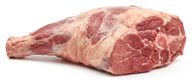
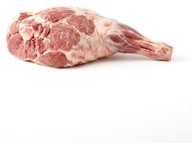
Lamb leg · Raandiced into bite-sized pieces (ask your butcher to do this)
800 g
meat
07
4.9 g1 teaspoon
liquid
08
to taste
salt
09
1.5 g1 tablespoon
herb

Method

  1. Put 80 g cashew nut in a bowl, cover with warm water and leave for 15 minutes. Drain, keeping 2 tbsp of the water, then blend the nuts with that water until smooth. Set the purée aside.
  2. Warm 40.5 g vegetable oil in a deep pan over medium heat. Add the whole spices for the oil — the masala — and fry for 20 seconds. Add 300 g onion and cook for 9–10 minutes, stirring often, until softened and beginning to brown. Add 20 g fresh ginger and fry for 30 seconds. Add 800 g lamb leg on the bone, raise the heat a little, and fry for 4–5 minutes to colour the outside.
  3. Turn the heat down. Stir in 180 g greek yoghurt a spoon at a time so it does not split. Pour in 350 ml water, bring to a boil and add salt to taste. Cover and simmer for 45 minutes, stirring several times.
  4. Stir in the cashew purée and simmer for 15 minutes. Stir now and then as the gravy thickens so it does not catch on the base.
  5. Take the pan off the heat. Stir in the finishing ground spice and 4.9 g rose water. Scatter over 1.5 g coriander leaves.

Don't have something?

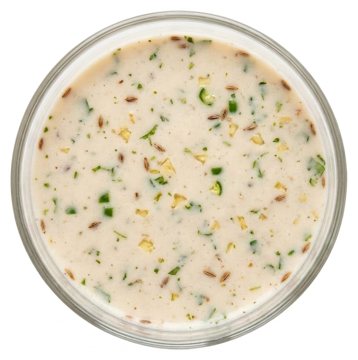
Cashew nut
  • Almond

    Use 100% of the weight. Soak in boiling water and slip off skins before frying or grinding; gives a lighter, slightly less sweet richness to curries.

  • Poppy seed

    Use 60% of the weight for gravies. Soak in warm water and grind into a fine paste to thicken royal kormas without adding heavy oiliness.

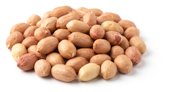
  • Shelled peanut

    Use 100% of the weight. Roast, skin, and grind; creates a thicker, earthier texture typical of Maharashtrian and western Indian curries.

Vegetable oil
  • Peanut oil

    Use 1:1 by weight. Handles high-heat frying identically and introduces a very subtle, pleasant nuttiness.

  • Ghee

    Use 1:1 by weight. Yields a much richer, authentic aroma and a glossy, heavier mouthfeel.

  • Mustard oil

    Use 1:1 by weight. Heat until smoking, then cool slightly before cooking to temper its intensely pungent, sharp mustard kick.

Dried kashmiri chilli
  • Kashmiri chilli powder

    Use 1 g powder for every 1.5 g whole dried chilli; whisk with a spoonful of warm water and stir into the masala to provide identical ruby colour and mild heat.

  • Dried red chilli

    Use 35% to 40% of the weight; discard seeds before tearing into oil to temper. Delivers a much fiercer heat, with significantly less red colouring.

Cassia bark
  • Ceylon cinnamon

    True cinnamon: thinner, papery quills, milder and sweeter. Use about 1.5 times the weight, and taste.

  • Ground cinnamon (cassia)

    Use about a third of the weight (0.5 g ground for a 2.5 cm piece), stirred in with the ground spices rather than fried whole, since the powder burns quickly.

  • Cassia buds

    Use 60-70% of the weight; stronger and more peppery, so taste before adding more.

Bay leaf
  • Cinnamon stick

    Use a 2 cm piece (about 1 g) for every 1 to 2 bay leaves. Fry in whole-spice temperings; provides the cassia-like warmth typical of Indian tejpatta.

  • Ground cinnamon (cassia)

    Use 0.5 g per leaf. Stir into the sauce during simmering; gives the same warm woodiness but darkens the colour slightly.

Onion
  • Shallot

    Use equal weight, finely sliced. Shallots soften and brown faster, giving a slightly sweeter and more delicate base to curries.

  • Cabbage

    Use 80% of the weight, finely shredded and browned slowly with a pinch of asafoetida. Replicates the bulk and natural sweetness in gravies without allium.

Fresh ginger
  • Ginger paste

    Use equal weight. Sauté in hot fat until the raw allium smell disappears; slightly wetter, but provides identical warmth and pungency.

  • Ground ginger

    Use 20% to 25% of the weight (1 g for every 4 to 5 g fresh). Stir into the gravy; adds peppery heat and warmth, though it misses the crisp, zesty kick of raw root.


Lamb leg
  • Leg of lamb

    Use the same weight; cook as directed, allowing extra time if bone-in.

  • Lamb hind leg

    Use the same weight; practically the same cut, so follow the recipe timings.

  • Lamb shoulder

    Use the same weight; fattier and softer, so skim fat and cook 10–15 minutes longer.

Greek yoghurt
Ground cardamom
  • Cardamom seed

    Grind the same weight; remove the pods first for a cleaner, stronger powder.

  • Green cardamom pod seed

    Grind the same weight of the seeds from green pods; discard the husks for the best flavour.

  • Ground green cardamom

    Use the same weight; it is the same spice and works directly.

Rosewater
  • Screwpine water or rosewater

    If using kewra water, use 50% of the volume specified; it is intensely floral and pungent, so add drop by drop to avoid overpowering.

  • Ground green cardamom

    Use 0.5 g ground spice for every 5 ml rosewater. Adds warm, perfumed top notes, shifting the aroma from floral to sweet spice.

  • Dried rose petals

    Steep 1 g dried petals in 15 ml hot milk or water for 10 minutes, strain, and stir in for a subtle, natural floral note.

Coriander leaves
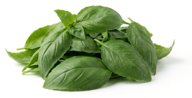
  • Coriander (cilantro) or basil

    Use the same weight, choosing the coriander element if available. If only basil is available, expect a sweeter, more aniseed flavour.

  • Basil leaves

    Use the same weight. Basil is sweeter and more aromatic in a different way; add near the end so it keeps its perfume.

  • Coriander paste

    Use 1.5 times the weight and reduce other liquid slightly; it is less fresh and more concentrated, so taste before adding more.

Similar dishes

Laal Maas (Indian Kitchen)
Rajasthani Lamb Curry
Laal Maas tastes fiery, tangy and aromatic, while this dish tastes rich, creamy and gently sweet.
  • Same: Laal Maas shares bone-in lamb, onion, yoghurt, vegetable oil, bay leaf, dried Kashmiri chilli and coriander leaves with this dish, and both are Rajasthani lamb curries.
  • Different: Laal Maas adds garlic, clove, green cardamom pods, ground coriander, cumin, Kashmiri chilli powder and lemon as its souring agent, and it lacks cashew nuts, ginger, cassia bark, ground cardamom and rose water compared with this dish.
Mattha/Chaas
Cooling Yoghurt Drink
Mattha/Chaas tastes light, tangy and cooling, whereas this dish tastes rich, creamy and aromatic with a gentle sweetness.
  • Same: Mattha/Chaas shares yoghurt, fresh ginger and coriander with this dish.
  • Different: It is a chilled whisked drink with water, cumin and green chilli, while this dish is a cooked lamb curry with cashews, oil, onion and whole spices.
Burnt Onion Raita
Burnt Onion Raita tastes charred, smoky, cool and tangy with sugar and salt, while this dish tastes rich, creamy and aromatic with warm spice and gentle rose-water sweetness.
  • Same: Burnt Onion Raita shares Greek yoghurt, an onion-family base and salt with this dish.
  • Different: It is a no-cook relish of shallots roasted until blackened, ground into thick yoghurt with caster sugar and sea salt, while this dish is a lamb curry with cashew-thickened yoghurt gravy, vegetable oil, Kashmiri chilli, cassia, bay leaf, ginger, cardamom and rose water.
Shallot & Ginger Raita
It tastes cooling, creamy and tangy from yoghurt, with sweet shallot, warm ginger, mint and toasted cumin, while this dish tastes rich, aromatic and gently sweet from rose water and whole warm spices.
  • Same: Shallot & Ginger Raita shares Greek yoghurt, fresh ginger and coriander leaves with this dish.
  • Different: It lacks lamb, cashews, vegetable oil, Kashmiri chilli, cassia, bay leaf, cardamom and rose water, and it uses banana shallot, mint, toasted cumin seed, caster sugar and sea salt in an uncooked yoghurt mix rather than a simmered curry.