
Jangir
Crisp fried lentil-and-rice pretzels soaked in a fragrant rosewater and saffron sugar syrup. They are sweet, glossy, and best enjoyed chilled.
Saffron for the syrup
0.3 gSteeped in rosewater (step 2)Everything else
Method
- Cover 400 g urad dal and 200 g basmati rice with water in a bowl and soak overnight.
- Drain the soaked dal and rice, then grind them in a blender to a fine paste. In a small dish, combine the saffron for the syrup with 14.7 g rosewater and leave to infuse.
- Place 1000 g granulated sugar and 500 ml water into a heavy-bottomed pan over low heat, stirring until the sugar dissolves.
- Raise the heat to bring the syrup to a boil. Pour in 5.1 g milk, skim off any impurities that float to the top using a slotted spoon, and simmer until it reaches a two-thread consistency.
- Stir the infused saffron and rosewater into the syrup, then reduce the heat to low to keep it warm.
- Pour vegetable oil into a wide pan until three-quarters full and heat to 180°C (350°F).
- Transfer the batter to a piping bag with a fine tip or snip a tiny corner off a plastic bag. Pipe overlapping concentric circles directly into the hot oil, frying for 2 to 3 minutes until crisp and rich red, flipping halfway through to cook evenly.
- Remove the jangir from the oil with tongs and transfer immediately into the warm syrup to soak for 5 minutes.
- Lift out of the syrup, transfer to a platter, and refrigerate until cold before serving.
Don't have something?


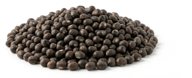 Whole black gram
Use equal weight. Needs longer soaking and cooking; the dark skins impart an earthy flavour and greyish-black hue unless thoroughly rubbed off.
 Chana dal
Use equal weight when tempering (tadka). Provides a comparable nutty, crunchy texture in hot oil, though grains are slightly larger.
 Split mung beans
Use equal weight for batters or dals. Ferments and cooks faster, producing a lighter, less sticky, and less viscous consistency.

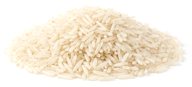
 Plain boiled rice
Use 2.5 times the weight if substituting pre-cooked rice. Fold in gently at the end of the recipe; grains will be shorter and less fragrant.


 Ground turmeric
Use 15% of the saffron's weight. Replicates the bright yellow colour well, but lacks the floral, earthy depth; use sparingly to avoid bitterness.
 Screwpine water or rosewater
Use a few drops combined with a tiny pinch of ground turmeric to mimic both the regal floral aroma and the golden hue.


- Screwpine water or rosewater
If using kewra water, use 50% of the volume specified; it is intensely floral and pungent, so add drop by drop to avoid overpowering.
 Ground green cardamom
Use 0.5 g ground spice for every 5 ml rosewater. Adds warm, perfumed top notes, shifting the aroma from floral to sweet spice.
 Dried rose petals
Steep 1 g dried petals in 15 ml hot milk or water for 10 minutes, strain, and stir in for a subtle, natural floral note.


 Jaggery
Use equal weight; grate or shave finely so it dissolves rapidly, giving a warm, caramel-like sweetness and slightly darker sauce.


 Whole milk
Use equal weight; provides the standard rich dairy fat and body expected in creamy Indian bases.
 Single cream
Dilute 3 parts cream with 1 part water to match the weight; yields a richer, glossier gravy that resists curdling.
 Plain yogurt
Whisk thoroughly and use equal weight; adds extra body and a mild pleasant acidity, best added off the heat.


 Peanut oil
Use 1:1 by weight. Handles high-heat frying identically and introduces a very subtle, pleasant nuttiness.
 Ghee
Use 1:1 by weight. Yields a much richer, authentic aroma and a glossy, heavier mouthfeel.
 Mustard oil
Use 1:1 by weight. Heat until smoking, then cool slightly before cooking to temper its intensely pungent, sharp mustard kick.


Similar dishes

- Same: Paper Dosa shares a base batter made of urad dal and basmati rice cooked with vegetable oil.
- Different: Paper Dosa uses a fermented batter seasoned with fenugreek seeds and salt cooked on a griddle, rather than being deep-fried and soaked in saffron and rosewater sugar syrup.

- Same: Masala Siyam shares basmati rice, urad dal, and deep-frying with this dish.
- Different: Masala Siyam lacks saffron, rosewater, sugar, and milk syrup, and adds mustard seed, curry leaf, onion, coconut, coriander leaf, and salt instead of soaking in syrup.

- Same: Qabooli shares the use of basmati rice, saffron, and milk with this dish.
- Different: Instead of deep-frying an urad dal batter in vegetable oil and soaking it in sugar syrup, Qabooli cooks rice in ghee with onions, yogurt, and whole spices like cardamom, clove, and cinnamon.
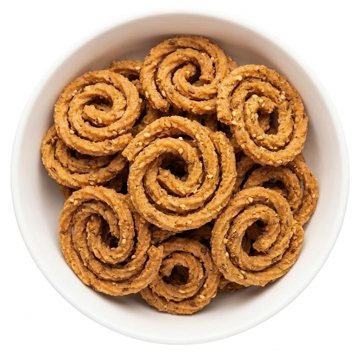
- Same: Mangupullu shares a rice-and-lentil fried dough base with this dish.
- Different: It uses moong dal, gram flour, cumin, sesame, ghee and salt, and is not soaked in a sugar syrup like this dish.