Indian cooking
Sarvari (Rice with Urad Dal, Chickpeas (Garbanzo Beans) or Peas)

Sarvari

Rice with Urad Dal, Chickpeas (Garbanzo Beans) or Peas
VegetarianOrigin HyderabadPrep 1 hour, plus soaking timeCook 30–45 minutes

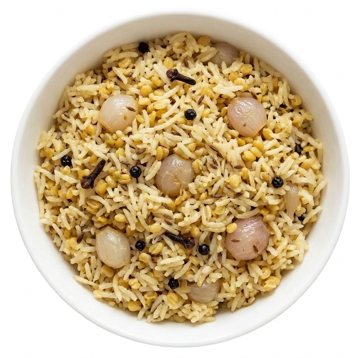
A fragrant, gently spiced basmati rice dish combined with tender pulses or peas and enriched with a sizzling cumin-and-clove ghee tarka. It has an earthy, comforting aroma and delicate, distinct grains.

Tempering spices

2.7 gBloomed in the hot ghee (step 4)
01
2.6 g1 teaspoon
spice
02
0.1–0.3 g2–4 cloves
spice
Keep ready to fry together in the ghee.

Everything else

02
1.1 g¼ teaspoon
other
03
150 g
grain
04
46 g3½ tablespoons
oil/fat
05
to taste
salt

Method

  1. If using dried pulses (chickpeas or urad dal), soak 100 g None in water with 0.25 teaspoon None (bicarbonate of soda) overnight. The next day, drain, rinse with fresh water, and simmer in a pot of boiling water for 20–40 minutes until tender, then drain. (If using peas, boil in water for 5–7 minutes until tender and drain).
  2. Soak 150 g basmati rice in water for 1 hour, then drain thoroughly.
  3. Add the drained rice to a large pot of boiling water and cook for 18–20 minutes until tender. Drain completely, turn the rice out onto a wide tray or plate, and sprinkle with salt to taste.
  4. Warm 46.2 g ghee in a frying pan over medium heat, add the tempering spices, and sizzle for about 1 minute until fragrant. Pour the hot spiced ghee over the cooked rice.
  5. Add the prepared pulses or peas to the rice and fold together gently with a spoon to keep the grains intact. Transfer back into the pot, cover with a lid, and warm over very low heat for about 5 minutes (or place hot charcoals on the lid) until heated through.

Don't have something?

Chickpea, urad dal or pea
  • Chickpea

    Use the same cooked weight; keep whole for bite or mash lightly for body.

  • Black gram

    Use the same dry weight, soak 4 hours and simmer until soft; it gives a denser, starchier result.

  • Pea

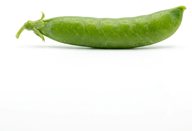
    Use the same weight and add late; fresh or frozen peas cook in minutes and stay sweeter.

Bicarbonate of soda
  • Baking soda

    Use the same weight; it is the same ingredient under another name.

  • Baking powder

    Use about 3 g baking powder for 1 g bicarbonate of soda; it already contains acid, so expect slight extra rise and a different taste in baking.

  • Alkaline water

    Only for soaking or tenderising, not baking; use enough to cover and expect a much weaker effect.

Basmati rice
  • Plain boiled rice

    Use 2.5 times the weight if substituting pre-cooked rice. Fold in gently at the end of the recipe; grains will be shorter and less fragrant.

Ghee
  • Unsalted butter

    Use 120% of the weight; melt gently over low heat to avoid burning the milk solids, which will yield a softer, creamier richness rather than a nutty aroma.

  • Vegetable oil

    Use 85% of the weight; holds high cooking temperatures without smoking, but the final dish will lack traditional dairy depth.

  • Mustard oil

    Use equal weight; heat to smoking point and cool slightly before cooking, bearing in mind it introduces an assertive, pungent edge.

Ground cumin
  • Cumin seed

    Dry-roast briefly and grind finely; use equal weight (1:1). Imparts an even punchier, nuttier, toasty aroma than pre-ground cumin.

  • Ground coriander

    Use equal weight (1:1). Adds mild, lemony sweetness rather than cumin's smoky, earthy bite; curries will taste lighter and less savoury.

  • Black cumin seeds

    Grind finely; use 60% to 75% of the weight. Produces a darker, more complex, smoky-herbal flavour suited to rich gravies.

Clove
  • Ground cloves

    Use 1 g ground for 4 g whole (or 1 small pinch per 2 to 3 whole cloves). Add with spice powders; disperses intense warmth quickly, so use with restraint.

  • Allspice berries

    Use 100% of the weight whole in tempering. Imparts a warm, clove-like aromatic profile combined with hints of nutmeg and cinnamon.


  • Black cardamom pod

    Use 1 pod for 3 to 4 cloves in whole tempering. Shares a camphor-like warmth and medicinal depth, though it introduces a distinct smoky undertone.

Similar dishes

Khilwan Khichari
Dry Khichari
Khilwan Khichari tastes richer and more pungent from the added lentils, heavier ghee, and whole black pepper.
  • Same: Both dishes are basmati rice preparations enriched with ghee, cumin, cloves, and salt.
  • Different: Khilwan Khichari incorporates moong dal, whole cumin seeds, bay leaf, and black peppercorns rather than ground cumin.
Qabooli
Rice & Dried Fruit Kedgeree
Qabooli is richer and nuttier with saffron and yogurt notes, while this dish is earthier from pulses or peas and more direct with cumin and clove.
  • Same: Both are basmati rice dishes scented with clove and enriched with ghee.
  • Different: Qabooli adds saffron, milk, yogurt, almonds, onion, cardamom and cinnamon, while this dish uses chickpeas, urad dal or peas with cumin and a ghee tarka.
Mangupullu
Crispy Deep-fried Savoury Rings
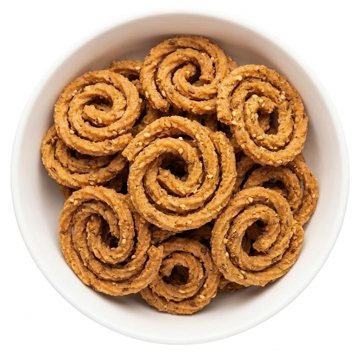
Mangupullu is crunchy and nutty from toasted sesame and fried dal, lacking the soft texture and warm clove flavor of this dish.
  • Same: Mangupullu also uses basmati rice seasoned with cumin, ghee, and salt.
  • Different: Rather than simmering whole rice grains with a clove-infused ghee tarka, Mangupullu incorporates moong dal and sesame seeds into a dough that is deep-fried in vegetable oil.
Jangir
Syrup-soaked Pretzels
Jangir tastes intensely sweet and floral rather than savory, warm, and earthy like this dish.
  • Same: Jangir shares the use of basmati rice and urad dal with this dish.
  • Different: Jangir is made by deep-frying a batter in vegetable oil and soaking it in sugar syrup flavored with saffron and rosewater, omitting this dish's ghee, cumin, and cloves.