
Peanut & Pomegranate Poha
A quick flattened-rice dish with a mustard tempering, soft tomato, roasted peanuts, lime and pomegranate. It tastes nutty, tangy and fresh, with crunch from the peanuts and pomegranate seeds.
Whole mustard seeds for the oil
21 gAdded to the hot oil (step 3)Turmeric for the tomato base
9 gAdded with the curry leaves and tomatoes (step 4)Everything else

Method
- Put 400 g poha in lukewarm water for 30 seconds, then drain well.
- Heat 13.5 g vegetable oil in a large pan over medium heat.
- Add 21 g black mustard seed — the whole mustard seeds for the oil — and fry for about 30 seconds, until they begin to pop.
- Add 160 g curry leaf, 9 g ground turmeric — the turmeric for the tomato base — and 240 g tomato, then stir.
- Cook for about 2 minutes, until the tomato softens slightly but still holds its shape.
- Add the drained poha and stir for 2 minutes, until evenly mixed with the spices.
- Take the pan off the heat.
- Just before serving, stir in 200 g roasted peanut, 100 g lime juice, 100 g coriander leaves and 250 g pomegranate seeds.
- Season with sea salt to taste.
Don't have something?


 Thick flattened rice
Use the same weight; rinse in a sieve and soak 5–10 minutes until just soft. It is the same poha in a thicker grade, so texture is close.
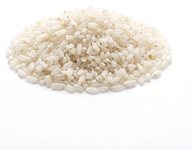 Coarsely broken rice
Use the same weight; soak 20–30 minutes and cook 5 minutes longer. Grains stay separate and less flaky.
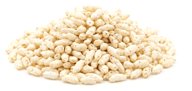 Puffed rice
Use the same weight only for dry snacks; it goes soggy if soaked. Not for poha-style dishes.


 Peanut oil
Use 1:1 by weight. Handles high-heat frying identically and introduces a very subtle, pleasant nuttiness.
 Ghee
Use 1:1 by weight. Yields a much richer, authentic aroma and a glossy, heavier mouthfeel.
 Mustard oil
Use 1:1 by weight. Heat until smoking, then cool slightly before cooking to temper its intensely pungent, sharp mustard kick.


 Mustard seeds
Use equal weight. Pop in hot fat until they crackle and turn greyish; yields an almost identical nutty, pungent finish.
 Yellow mustard seeds
Use equal weight. Fry over medium heat; delivers a milder, sweeter pop and turns bitter quickly if the oil is excessively hot.


 Bay leaf
Fry 1 bay leaf for every 5 curry leaves in hot oil; imparts a warm, woodsy background note, but misses the citrus-sulphury punch entirely.
 Lime juice
Add a small squeeze (about 5 ml per sprig of curry leaves) right before serving; provides sharp citrus top notes without the toasty, herbal aroma.


 Ground ginger
Use 50% of the weight. Mimics turmeric's warm, earthy, rhizome background, but provides none of the golden-yellow colour.
 Saffron
Steep a tiny pinch (0.1 g per 2 g turmeric) in 2 tbsp warm water; use to match the rich golden hue. Contributes an aristocratic, honeyed floral flavour rather than earthy bitterness.


 Tomato purée
Use 40% to 50% of the fresh tomato weight mixed with a splash of water. Imparts a deeper red colour, thicker sauce, and slightly sweeter cooked flavour.
 Plain yogurt
Use 60% of the weight, whisked smooth and added on low heat. Provides rich body and sourness, though the gravy becomes paler and creamier.


 Roasted peanut
Use the same weight; adjust salt if they are already salted, and crush or grind as the recipe asks.
 Cashew nut
Use the same weight; they are richer and softer, so roast for a shorter time and reduce added fat.
 Almond
Use the same weight; blanch and peel for sauces, or chop for texture. They are firmer and less oily.


 Lemon
Use the same weight; sharper and less floral, so reduce any extra souring slightly.
 Lemon juice
Use about 30 g juice per lime (2 tbsp), strain pips; add at the end for fresh sourness.
 Dried mango powder
Use 1 g amchoor for about 15 g lime juice; add early with spices; gives dry mango sourness, not citrus aroma.


 Coriander (cilantro) or basil
Use the same weight, choosing the coriander element if available. If only basil is available, expect a sweeter, more aniseed flavour.
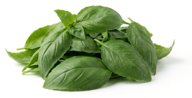 Basil leaves
Use the same weight. Basil is sweeter and more aromatic in a different way; add near the end so it keeps its perfume.
 Coriander paste
Use 1.5 times the weight and reduce other liquid slightly; it is less fresh and more concentrated, so taste before adding more.


 Pomegranate seed
Use the same weight of seeds only; no preparation needed. This is identical for garnish or fresh eating.
 Dried pomegranate seeds
Use 20–25% of the weight, crush or soak; they give sourness but not fresh juicy garnish.
 Green grape
Use the same weight, halved; they add juiciness but less crunch and less sourness.


Similar dishes

- Same: Gujarati Surati Dal shares mustard seed, curry leaf, turmeric, tomato, peanut and coriander with this dish, and both use a tempering and a souring agent.
- Different: Gujarati Surati Dal is a thick toor dal simmered with water, ghee, asafoetida, dried Kashmiri chilli, chilli powder and jaggery, while this dish is quick flattened rice with pomegranate and no dal or jaggery.

- Same: Khamang Kakdi shares a mustard-seed tempering, peanuts, lime and curry leaves with this dish.
- Different: Khamang Kakdi is a raw cucumber salad with fresh coconut, ghee, green bird's-eye chilli and sugar, while this dish is a cooked flattened-rice poha with tomato, vegetable oil and pomegranate.
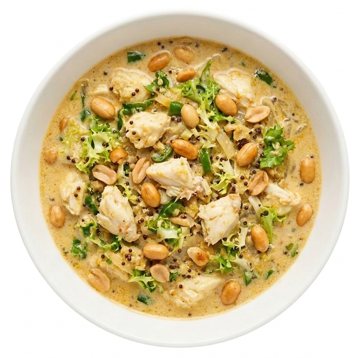
- Same: Cornish Crab Meen Moilee with Toasted Peanuts shares peanuts, black mustard seed, curry leaf, ground turmeric, lime and coriander leaves with this dish.
- Different: It adds white crab meat, frisée, coconut oil, onion, green chilli, fresh ginger root, coconut milk, lime juice and caster sugar, and it lacks poha, tomato and pomegranate; it is a creamy coconut curry rather than a tempered flattened-rice dish.
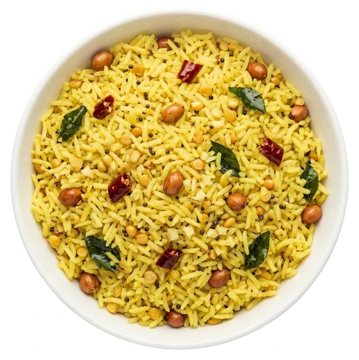
- Same: Elumikkai Sadam shares a mustard-seed tempering with this dish, plus curry leaves, turmeric, peanuts, oil, salt and a citrus souring agent.
- Different: Elumikkai Sadam uses basmati rice, dried red chilli, split yellow dal and fresh ginger, while this dish uses flattened rice, tomato, pomegranate, coriander leaves and lime, with far more mustard seed, curry leaf and peanut.