
Elumikkai Sadam
A vibrant South Indian rice dish tossed with tangy lemon juice, tempered mustard seeds, curry leaves, and crunchy peanuts. It delivers a bright, zesty flavour balanced by warm earthiness and nutty texture.
Tempering seeds
3.5 gFried in hot oil to pop (step 2)Ground spices
1.5 gStirred in with the dal and peanuts (step 3)Everything else

Method
- Transfer 500 g cooked basmati rice into a wide serving bowl.
- Warm 2 tbsp oil in a heavy pan set over medium heat, tip in the tempering seeds, and cook for about 1 minute until they begin to splutter.
- Add 3 g chillies, 1 tsp dal, 1 g curry leaf, 2 g very finely chopped fresh ginger, 2 tbsp peanuts, and the ground spices, then fry gently until the peanuts and dal turn golden brown.
- Take the pan off the heat and stir in the juice from 1.5 lemons.
- Drizzle the tempered mixture over the rice, season with salt to taste, and fold thoroughly until the grains take on a uniform yellow hue.
Don't have something?

 Plain boiled rice
Use 2.5 times the weight if substituting pre-cooked rice. Fold in gently at the end of the recipe; grains will be shorter and less fragrant.


 Vegetable oil
Use the same weight. It is neutral and behaves the same in frying and tempering; no noticeable change in flavour.
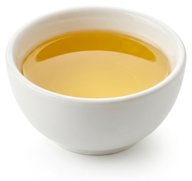 Corn or vegetable oil
Use the same weight. Neutral and good for high heat; the dish will taste virtually the same.
 Groundnut oil
Use the same weight. It has a mild nutty flavour and is good for Indian cooking; heat until just hot, not smoking, so the nuttiness does not dominate.


 Mustard seeds
Use equal weight. Pop in hot fat until they crackle and turn greyish; yields an almost identical nutty, pungent finish.
 Yellow mustard seeds
Use equal weight. Fry over medium heat; delivers a milder, sweeter pop and turns bitter quickly if the oil is excessively hot.


 Dried kashmiri chilli
Use equal weight whole. Fry in hot oil or ghee as tempered spice; gives a richer red colour with slightly milder heat.
 Red chilli powder
Use 50% to 70% of the weight. Stir into the oil with ground spices; distributes heat evenly throughout the dish without whole chilli skins.


 Pigeon peas
Use the same weight; similar yellow split dal, with a slightly sweeter, fuller flavour.
 Chana dal
Use the same weight and soak 1 hour; firmer and nuttier, so cook longer.
 Split mung beans
Use the same weight; softer and faster-cooking, giving a lighter dal.


 Bay leaf
Fry 1 bay leaf for every 5 curry leaves in hot oil; imparts a warm, woodsy background note, but misses the citrus-sulphury punch entirely.
 Lime juice
Add a small squeeze (about 5 ml per sprig of curry leaves) right before serving; provides sharp citrus top notes without the toasty, herbal aroma.


 Ground ginger
Use 50% of the weight. Mimics turmeric's warm, earthy, rhizome background, but provides none of the golden-yellow colour.
 Saffron
Steep a tiny pinch (0.1 g per 2 g turmeric) in 2 tbsp warm water; use to match the rich golden hue. Contributes an aristocratic, honeyed floral flavour rather than earthy bitterness.


 Ginger paste
Use equal weight. Sauté in hot fat until the raw allium smell disappears; slightly wetter, but provides identical warmth and pungency.
- Ground ginger
Use 20% to 25% of the weight (1 g for every 4 to 5 g fresh). Stir into the gravy; adds peppery heat and warmth, though it misses the crisp, zesty kick of raw root.


 Roasted peanut
Use the same weight; adjust salt if they are already salted, and crush or grind as the recipe asks.
 Cashew nut
Use the same weight; they are richer and softer, so roast for a shorter time and reduce added fat.
 Almond
Use the same weight; blanch and peel for sauces, or chop for texture. They are firmer and less oily.


 Lime
Use the same weight or juice amount; sharper, so taste before adding all the juice.
 Lemon juice
Use about 45–50 ml for 1 lemon; add off the heat to keep the freshness.
 Dried mango powder
Use 1 tsp for the juice of 1 lemon; add early. Sourness is flatter and less fresh.


Similar dishes
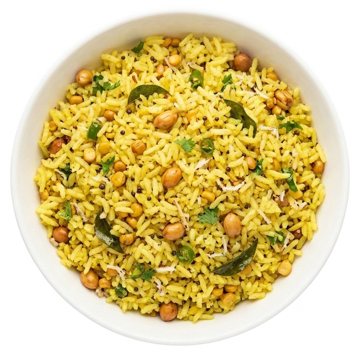
- Same: Lemon Rice shares the classic tempering base of mustard seeds, curry leaves, turmeric, and salt with this dish.
- Different: Lemon Rice incorporates peanut oil, chana dal, green chilli, lemon juice, asafoetida, fresh coriander, and grated coconut, while omitting the fresh ginger used in this dish.

- Same: Thengaai Saadam and this dish are both South Indian rice dishes tempered with mustard seed, dried red chilli, curry leaf, and peanut in oil.
- Different: Thengaai Saadam uses fresh coconut, cashew nut, and urad dal with 192 g basmati rice and 9 g oil, while this dish uses lemon juice, ground turmeric, fresh ginger, and split yellow dal with no coconut, 500 g rice, and 27 g oil.

- Same: Grilled Lemons shares lemon with this dish.
- Different: Grilled Lemons uses only lemon and is cooked cut-side down until charred, while this dish uses rice, oil, mustard seeds, dried red chilli, split yellow dal, curry leaves, turmeric, ginger, peanuts, lemon, and salt.
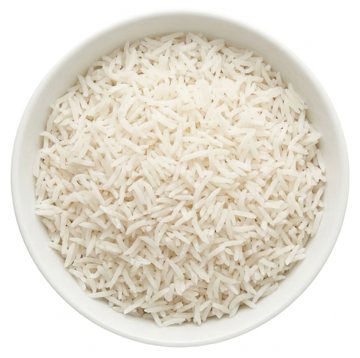
- Same: Basic Rice Recipe shares basmati rice and salt with this dish, and rice is the main ingredient in both.
- Different: Basic Rice Recipe has only basmati rice and salt, so it lacks this dish's oil, mustard seeds, dried red chilli, split yellow dal, curry leaf, turmeric, ginger, peanuts and lemon; it also uses only the absorption method, with no tempering or lemon souring.