Indian cooking
Indian cooking / Dishes / Pani Poori
Pani Poori (Puffed Biscuits (Cookies) with Tangy Water)

Pani Poori

Puffed Biscuits (Cookies) with Tangy Water
Vegetarian●●●Origin DelhiPrep 50 minutes, plus cooling and standing timeCook 15 minutesMakes 50

Crisp, hollow fried puffed breads designed to be cracked open and loaded with potatoes and chickpeas, then splashed with sweet tamarind sauce or submerged in zesty spiced water.

Ingredients

01
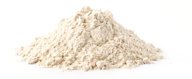
Wholemeal flour · Attaplus extra for dusting
65 g
flour
03
26 g2 tablespoons
oil/fat
04
500 g
oil/fat
06
600 g2 potatoes
vegetable

Method

  1. Boil 2 unpeeled potatoes in a pot of water for 15 minutes until tender yet firm. Drain, leave to cool, peel, and cut into small dice.
  2. Sift 65 g flour and 70 g semolina together into a large bowl. Rub in 26.4 g ghee with your fingertips until evenly combined, then pour in just enough water to bring the mixture together into a stiff dough. Drape with a damp cloth and leave to rest for 30 minutes.
  3. Divide the rested dough into marble-sized portions, then roll them out on a lightly floured surface into thin 4-cm (1½-inch) rounds.
  4. Warm 500 g ghee or vegetable oil in a deep, heavy pan to 180°C (350°F), or until a cube of bread turns brown in 30 seconds, then lower the heat slightly. Fry the dough rounds in small batches for 1 to 2 minutes until fully puffed and golden. Lift out with a slotted spoon and drain on paper towels.
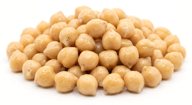
  5. Crack a small opening into the top of each puffed shell with your thumb. Spoon roughly ½ teaspoon of the diced potatoes and ½ teaspoon of 120 g drained chickpeas inside. Finish with a sprinkle of chaat masala to taste and ½ teaspoon of 100 g Imli Aur Adrak ki Saunth, or submerge the shells directly into 1 batch of cold Jal Jeera to fill with flavoured water and serve.

Don't have something?

Wholemeal flour
  • Whole wheat flour

    Use the same weight; it is almost the same, though slightly finer, so add water gradually.

  • Plain flour

    Use the same weight but reduce water by about 10%; the result is lighter and less nutty.

  • Flour

    Use the same weight as plain flour; reduce water slightly and expect less bran and colour.

Semolina
  • Coarse semolina

    Use the same weight. Soak 10 minutes longer and cook 2–3 minutes more; texture will be more granular.

  • Fine semolina

    Use the same weight. It cooks faster, so reduce cooking time by 2 minutes and stir well to avoid lumps.

  • Cream of wheat

    Use the same weight. It behaves like fine semolina; cook 1–2 minutes less and add liquid gradually.

Ghee
  • Unsalted butter

    Use 120% of the weight; melt gently over low heat to avoid burning the milk solids, which will yield a softer, creamier richness rather than a nutty aroma.

  • Vegetable oil

    Use 85% of the weight; holds high cooking temperatures without smoking, but the final dish will lack traditional dairy depth.

  • Mustard oil

    Use equal weight; heat to smoking point and cool slightly before cooking, bearing in mind it introduces an assertive, pungent edge.

Ghee or vegetable oil
  • Peanut oil

    Use equal weight; handles high tempering heat well and keeps flavours neutral.

  • Butter

    Use equal weight; cook over gentle heat to prevent browning the milk solids too quickly.

Chaat masala
  • Tandoori snack spice mix

    Use the same weight; taste first as it can be smokier and saltier. Add lime or amchoor if the dish needs more tang.

  • Dried mango powder

    Use about half the weight, mixed with black salt and a pinch of ground cumin. It gives tang and saltiness but lacks the minty, asafoetida notes.

  • Black salt

    Use about half the weight and add lime juice to taste. It gives the salty, sulphurous edge but not the full tangy blend.

Tamarind and ginger chutney
  • Ginger chutney

    Use the same weight; it is hotter and more ginger-forward, so add a little tamarind paste or jaggery to balance.

  • Tamarind chutney or mint chutney

    Use the same weight and add a teaspoon of grated ginger; tamarind chutney keeps the sour-sweet base, mint chutney makes it fresher.

  • Mango chutney

    Use the same weight; it is sweeter and fruitier, so add a little tamarind and grated ginger to bring it closer.

Jal jeera
  • Chaat masala

    Use the same weight; it gives the tangy, salty kick but less mint. Add a pinch of dried mint and ground cumin if you have them.

  • Ground cumin

    Use 50% of the weight with 30% amchoor powder and 20% black salt. Mix well; it is sharper and lacks the minty finish.

  • Dried mango powder

    Use 40% of the weight with 40% ground cumin and 20% black salt; add dried mint to taste. More tart, less complex.

Potato
  • Eggplant

    Use equal weight. Cut into large chunks; cooks down much faster (10-12 minutes) and softens into the sauce rather than staying starchy and firm.

  • Paneer

    Use 80% of the weight. Cube and add in the last 5-10 minutes of cooking; adds rich dairy protein instead of starchy bulk.

  • Dried chickpea

    Use 45% dry weight. Soak overnight and boil until fully soft before stirring into the sauce to simmer for 10 minutes.

Canned chickpea
  • Dried chickpea

    Use 40–45% of the weight (100 g dried for 240 g drained tinned), soak overnight with a pinch of bicarbonate of soda, then boil 45–60 minutes until soft.

  • Green chickpea

    Same weight, fresh or frozen; boil 10–15 minutes, they stay firmer and sweeter and need a little more salt.

Similar dishes

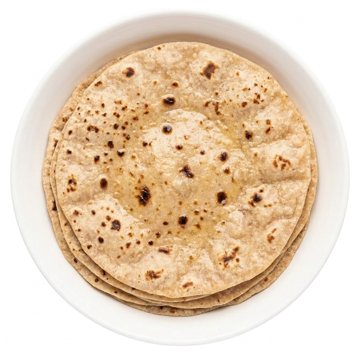
Chapaati
Chapati
Chapaati tastes mild, plain, and nutty, unlike the intensely tart, sweet, and spicy profile of this dish.
  • Same: Both Chapaati and this dish are unleavened wheat breads that puff up during cooking.
  • Different: Chapaati is toasted dry on a griddle rather than deep-fried in ghee or oil, and it completely omits this dish's jal jeera, chaat masala, and sweet tamarind chutney.
Phulka
Puffed Bread
Phulka has a mild, toasted wheat taste, completely missing the spicy, salty, and sour flavors of this dish.
  • Same: Like this dish, Phulka is an unleavened Indian dough that puffs up into an airy round during cooking.
  • Different: Phulka is toasted dry on a griddle and flame into a soft flatbread with only a touch of oil, lacking this dish's deep-fried crisp shell, jal jeera, chaat masala, and tamarind chutney.
Tandoori Roti
Bread Baked in a Clay Oven
Tandoori Roti tastes simple, smoky, and wheaten, whereas this dish is intensely sour, spicy, and sweet.
  • Same: Both dishes are traditional Indian breads prepared using ghee or vegetable oil.
  • Different: Tandoori Roti is baked in a clay oven rather than deep-fried, and it omits the chaat masala, jal jeera, and tamarind-ginger saunth.
Roomali Roti
Handkerchief Bread
Roomali Roti is soft, plain and lightly salty with a delicate char, while this dish is crisp and tangy-spicy with tamarind sweetness and a potato-chickpea filling.
  • Same: Roomali Roti and this dish are both wheat-based Indian breads that use wholemeal flour as a base.
  • Different: Roomali Roti uses only wholemeal flour, plain flour and salt, with no semolina, ghee, potato, chickpea, tamarind chutney or jal jeera, and it is stretched thin and blistered on a hot inverted pan rather than deep-fried.