Indian cooking
Indian cooking / Dishes / Tandoori Roti
Tandoori Roti (Bread Baked in a Clay Oven)

Tandoori Roti

Bread Baked in a Clay Oven
VegetarianOrigin Punjab/DelhiPrep 40 minutes, plus standing timeCook 5 minutesMakes 8

These crisp, layered flatbreads develop blistered, smoky patches and a soft, chewy interior when baked at high heat. They provide a nutty, wholesome accompaniment to rich curries and dhal.

Ingredients

01
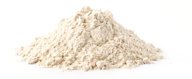
Wholemeal flour · Attaplus extra for dusting
480 g
flour
02
2.9 g½ teaspoon
salt
03
27 g2 tablespoons
oil/fat
04
8 g1 tablespoon
flour

Method

  1. Sift 480 g wholemeal flour and 2.9 g salt into a large bowl. Pour in just enough water to bring the mixture together into a tender dough.
  2. Transfer the dough onto a lightly floured surface and work it for roughly 5 minutes until smooth and elastic. Place it into an oiled bowl, drape with a clean cloth, and leave to rest in a warm spot for 30 minutes.
  3. Preheat the oven to 200°C (400°F). In a small bowl, stir together 27 g ghee or vegetable oil and 1 tablespoon flour into a spreadable paste.
  4. Portion the rested dough into 8 equal spheres. Flatten each between your palms and roll out on a dusted surface into a disc approximately 15 cm (6 inches) across.
  5. Smear a thin coating of the fat paste over the round. Slice a straight slit from the centre straight through to the outer rim.
  6. Roll the circle up starting from one cut edge to create a cone. Stand the cone on its base, press it down firmly into a flat swirl, then roll it out again to a 15 cm (6 inch) round, concentrating your rolling pin strictly on the middle rather than the edges.
  7. To bake in an oven, transfer the rounds to a greased baking sheet and cook for approximately 5 minutes until nicely browned. If baking in a tandoor, affix each round to the clay wall using a padded cushion and cook for about 2 minutes until blistered and charred, retrieving with tongs.


Don't have something?

Wholemeal flour
  • Whole wheat flour

    Use the same weight; it is almost the same, though slightly finer, so add water gradually.

  • Plain flour

    Use the same weight but reduce water by about 10%; the result is lighter and less nutty.

  • Flour

    Use the same weight as plain flour; reduce water slightly and expect less bran and colour.

Ghee or vegetable oil
  • Peanut oil

    Use equal weight; handles high tempering heat well and keeps flavours neutral.

  • Butter

    Use equal weight; cook over gentle heat to prevent browning the milk solids too quickly.

Plain flour
  • Whole wheat flour

    Use the same weight, add 10–15% more water and rest the dough for 20 minutes; the result is heavier and nuttier.

  • Rice flour

    Use the same weight for crisp coatings; for doughs use no more than half rice flour with wheat flour, or it will be crumbly.

  • Cornflour

    For thickening use half the weight, mixed with cold water; it is not suitable for bread or chapati dough.

Similar dishes

Roomali Roti
Handkerchief Bread
It tastes softer and lighter, lacking the rich fat and deep, smoky char of this dish.
  • Same: Like this dish, Roomali Roti is a simple, salt-seasoned Indian flatbread blistered over intense heat.
  • Different: Roomali Roti is stretched paper-thin and cooked on an inverted pan without the ghee or vegetable oil used in this clay-oven-baked bread.
Chapaati
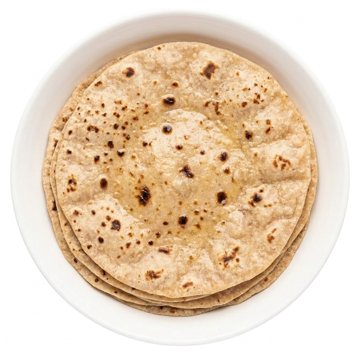
Chapati
Chapaati is softer and milder, lacking the rich, buttery mouthfeel and smoky, blistered char of this dish.
  • Same: Both are unleavened wheat flatbreads seasoned with salt and served as an accompaniment to curries.
  • Different: Chapaati is cooked on a dry griddle rather than baked in a high-heat clay oven, and it omits the ghee or vegetable oil used in this dish.
Phulka
Puffed Bread
Phulka tastes lighter and mildly toasted, lacking the salty, rich, and distinctly smoky bite of this dish.
  • Same: Both are unleavened Indian flatbreads cooked over high heat using vegetable oil.
  • Different: Phulka puffs directly over an open flame without the added salt or optional ghee used in this oven-baked dish.
Warqi Paratha
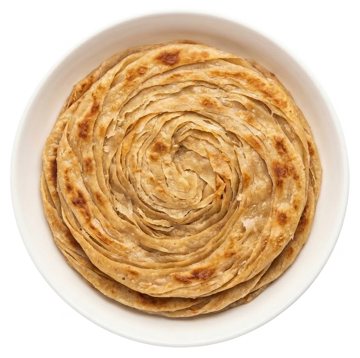
Layered Paratha
Warqi Paratha tastes richer and more flaky than this dish, with crisp delicate leaves instead of a nutty, chewy wholemeal interior.
  • Same: Warqi Paratha shares flour, salt, and a fat with this dish, and both are flatbreads.
  • Different: Warqi Paratha uses only plain flour and a much higher proportion of ghee, and it is layered by spiral rolling rather than baked as a wholemeal roti in a clay oven.