Indian cooking
Phulka (Puffed Bread)

Phulka

Puffed Bread
VegetarianOrigin Punjab/Delhi/AwadhPrep 45 minutes, plus standing timeCook 40–50 minutesMakes 20–25

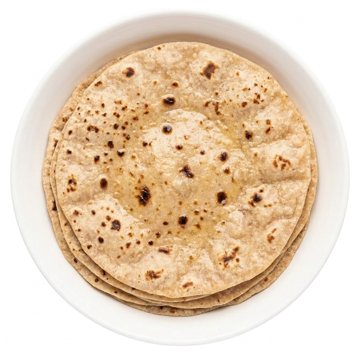
Phulkas are soft, unleavened Indian flatbreads that inflate over heat into delicate, airy rounds. They have a tender, layered interior and a mild, toasted wheat flavour.

Ingredients

01
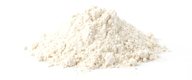
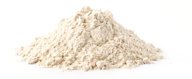
Wholemeal flour · Attaplus extra for dusting
360 g
flour
02
to taste
oil/fat

Method

  1. Sift 360 g flour into a broad bowl, then gradually mix in enough water to form a soft, pliable dough.
  2. Transfer the dough to a lightly floured worktop and knead continuously for 10 minutes, sprinkling over droplets of water as needed until smooth and supple.
  3. Lightly coat a bowl with vegetable oil, place the dough inside, drape with a damp kitchen towel, and rest in a warm spot for 30 minutes.
  4. Knead the rested dough briefly, divide into 20 to 25 small portions, and roll each piece between your hands into a smooth ball.
  5. Dust each ball lightly with flour, press flat between your palms, and roll out into a thin circle roughly 15 cm (5 inches) in diameter, adding flour as needed to avoid sticking.
  6. Set a tawa or heavy skillet over medium heat until hot.
  7. Lay a circle of dough onto the dry pan and cook for 1 minute per side, turning when the surface looks dry and small pale brown spots appear.
  8. Using tongs, lift the bread off the pan and place it directly over a gas flame for several seconds until it inflates like a balloon, then transfer to a plate. For electric cooktops, remain in the skillet and gently press the surface with a folded clean cloth until it puffs.

Don't have something?

Wholemeal flour
  • Whole wheat flour

    Use the same weight; it is almost the same, though slightly finer, so add water gradually.

  • Plain flour

    Use the same weight but reduce water by about 10%; the result is lighter and less nutty.

  • Flour

    Use the same weight as plain flour; reduce water slightly and expect less bran and colour.

Vegetable oil
  • Peanut oil

    Use 1:1 by weight. Handles high-heat frying identically and introduces a very subtle, pleasant nuttiness.

  • Ghee

    Use 1:1 by weight. Yields a much richer, authentic aroma and a glossy, heavier mouthfeel.

  • Mustard oil

    Use 1:1 by weight. Heat until smoking, then cool slightly before cooking to temper its intensely pungent, sharp mustard kick.

Similar dishes

Chapaati
Chapati
Chapaati has a lightly salted, nutty wheat flavour compared to the unsalted, toasted wheat profile of this dish.
  • Same: Both are soft, unleavened Indian flatbreads cooked until they puff into airy rounds.
  • Different: Chapaati is seasoned with salt and cooked on a dry griddle, whereas this dish uses vegetable oil and inflates directly over heat.
Tandoori Roti
Bread Baked in a Clay Oven
Tandoori Roti has a smokier, chewier, and saltier profile compared to the mild, delicate taste of this dish.
  • Same: Like this dish, Tandoori Roti is an unleavened wheat flatbread prepared with oil.
  • Different: Tandoori Roti incorporates salt, can use ghee instead of vegetable oil, and is baked in a high-heat oven rather than puffed over an open flame.
Roomali Roti
Handkerchief Bread
It has subtle salty notes and light charring, compared to the cleaner, toasted wheat flavour of this dish.
  • Same: Roomali Roti is also a soft, unleavened Indian wheat flatbread cooked quickly over high heat.
  • Different: Roomali Roti is stretched paper-thin, seasoned with salt, and blistered on an inverted pan, whereas this dish uses vegetable oil and inflates directly over an open flame.
Bhakri
Maharashtrian Bread
Bhakri has a more savory, deeply roasted flavor and a denser bite compared to the mild, delicate taste of this dish.
  • Same: Bhakri is also an unleavened Indian flatbread toasted over dry heat to create a tender interior with a roasted char.
  • Different: Bhakri includes salt instead of vegetable oil and cooks with a firmer, crisper crust rather than inflating into an airy, puffed round.