
Murghi Na Farcha
Skinless chicken drumsticks coated in a spiced vinegar and Worcestershire marinade, then fried and baked. The outside is crisp and savoury, with warm cumin, cinnamon and clove in the coating.
Marinade spices
3.7 gMixed into the marinade paste (step 4)Everything else

Method
- Heat the oven to 200°C (400°F).
- Grind 2.1 g cumin seed coarsely in a pestle and mortar, then mix in 1.3 g ground cinnamon and 0.3 g ground clove to make the marinade spices.
- Blend 9 g garlic, 16 g fresh ginger and 4 g green bird’s eye chilli to a coarse paste.
- Add the marinade spices, 15 g malt vinegar, 16.2 g Worcestershire sauce, 15.6 g plain flour, salt to taste and 20 ml water to the paste; mix to a thick marinade.
- Cut shallow slits in 800 g chicken drumsticks and rub the marinade over them, pressing it into the slits. Leave for 2 hours, or overnight in the fridge.
- Heat oil, for deep-frying, to 170°C (340°F); a cube of bread should turn golden in about 30 seconds.
- Dip the drumsticks in 100 g beaten egg and fry in batches for 3–4 minutes, until golden. Drain on kitchen paper.
- Put the fried drumsticks on a baking tray and bake for 20 minutes, until cooked through.
Don't have something?


 Ground cumin
Use 70% of the weight; add with ground spices or sauce bases rather than hot oil tempering, where it scorches quickly and turns bitter.
 Black cumin seeds
Use equal weight for oil tempering. Delivers an earthy profile with an additional musky, smoky, and slightly bitter edge.
 Fennel seed
Use 60% of the weight for tempering; offers comparable warm aroma, but leans sweet and liquorice-like rather than savoury and earthy.



- Ground Ceylon cinnamon
Milder and sweeter than ground cassia: use about 1.5 times the weight.
 Cassia bark (Chinese cinnamon)
Grind the same weight of cassia bark in a spice mill until powdery, or simmer a piece whole and lift it out before serving.
 Ground mace
Use 40 to 50% of the weight; offers a delicate, sweet, woodsy fragrance that complements rich curries without dominating.


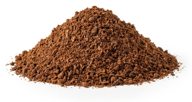 Ground allspice
Use 1.5–2 times the weight; it has a similar warm pungency but is milder and rounder, so the dish loses clove’s sharp medicinal heat.
- Ground cinnamon (cassia)
Use the same weight; it gives warmth but is sweeter and lacks clove’s strength, so use only if the amount is small.

 Garlic paste
Use equal weight. Fry gently in oil or ghee with the ginger; incorporates smoothly into curries without visible minced bits.
 Garlic powder
Use 15% to 20% of the weight (about 1 g for every 5 to 6 g fresh cloves). Whisk into sauces; gives a savoury, toasted garlic flavour without raw pungency.
 Shallot
Use 1.5 times the weight, very finely minced. Sauté until golden; provides savoury allium sweetness, though it lacks garlic's pungent sulphur bite.


 Ginger paste
Use equal weight. Sauté in hot fat until the raw allium smell disappears; slightly wetter, but provides identical warmth and pungency.
 Ground ginger
Use 20% to 25% of the weight (1 g for every 4 to 5 g fresh). Stir into the gravy; adds peppery heat and warmth, though it misses the crisp, zesty kick of raw root.


- Bird's eye green chilli
Use the same weight; heat and flavour are very close.
 Green chilli
Use 1.5 to 2 times the weight; deseed for less heat. Larger chillies are more watery.
 Fresh green chilli
Use 1.5 to 2 times the weight; chop finely and adjust heat by tasting.


 White malt vinegar
Use the same weight; sharper and clearer; reduce salt slightly.
 White vinegar
Use 90% of the weight, diluted with 10% water; harsher, so taste.
 Lime juice
Use the same weight; fresher sourness but no malt flavour; reduce salt.


 Soy sauce
Use the same weight; it is saltier, so reduce added salt and taste before finishing.
 Vinegar
Use 60–70% of the weight; it is sharper, so add a pinch of sugar to soften it.
 Tamarind extract
Use 50% of the weight; it gives sourness but not the same savoury depth, so adjust salt and sugar.



 Whole wheat flour
Use the same weight, add 10–15% more water and rest the dough for 20 minutes; the result is heavier and nuttier.
 Rice flour
Use the same weight for crisp coatings; for doughs use no more than half rice flour with wheat flour, or it will be crumbly.
 Cornflour
For thickening use half the weight, mixed with cold water; it is not suitable for bread or chapati dough.


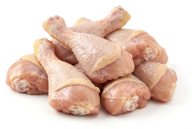
 Chicken leg
Use the same weight; larger pieces, so add 5–10 minutes cooking time and check at the bone.
 Chicken thigh
Use the same weight; boneless thigh cooks faster by 5–10 minutes. More juicy and less bony.
 Chicken pieces
Use the same weight; choose bone-in pieces for similar richness. Adjust time by size.


 Vegetable oil
Use the same weight. It is neutral and behaves the same in frying and tempering; no noticeable change in flavour.
 Corn or vegetable oil
Use the same weight. Neutral and good for high heat; the dish will taste virtually the same.
 Groundnut oil
Use the same weight. It has a mild nutty flavour and is good for Indian cooking; heat until just hot, not smoking, so the nuttiness does not dominate.


 Chickpea flour
For binding, use about 10 g chickpea flour mixed with 20 ml water per egg and rest for 10 minutes. Denser and nuttier; not suitable for baking or coating in the same way.
 Full-fat natural yoghurt
Use about 30 g per egg for moisture and binding in koftas or fillings. Adds tang and softness; will not set or glaze like egg.
 Tofu
Use the same weight, mashed, for egg-like bulk in curries. Soft and bland; add extra spices and do not expect it to bind.


Similar dishes

- Same: Saas ni Macchi shares garlic, cumin seed, green bird's eye chilli, malt vinegar, egg, plain flour, salt and oil with this dish.
- Different: Saas ni Macchi uses white fish, onion, butter, caster sugar, cherry tomato and coriander, and lacks this dish's Worcestershire sauce, cinnamon and clove; it is a creamy sauce curry with fish folded in at the end, not a coated fried-and-baked chicken.

- Same: Masala Omelettes shares cumin seed, green bird’s eye chilli, egg, salt and oil with this dish.
- Different: Masala Omelettes uses onion, tomato, coriander, Kashmiri chilli powder, turmeric and lemon juice, and it lacks chicken, flour, vinegar, Worcestershire sauce, ginger, garlic, cinnamon and clove; it is cooked quickly as an omelette rather than marinated, fried and baked.

- Same: Anda Bhurji shares green bird’s eye chilli, cumin seed and salt with this dish, and both use egg.
- Different: Anda Bhurji is a scrambled egg dish with onion, tomato, turmeric, Kashmiri chilli powder, coriander leaves and lemon juice, cooked in vegetable oil, while this dish is coated chicken with flour, vinegar, Worcestershire sauce, cinnamon and clove, then fried and baked.

- Same: Haraa Masalewala Murgh shares chicken, cumin seed, green bird’s eye chilli, ginger and garlic with this dish.
- Different: Haraa Masalewala Murgh is a simmered curry with onion, cashew nut, coriander leaves, mint leaves, lemon juice and vegetable oil, and it lacks this dish’s flour, egg, malt vinegar, Worcestershire sauce, cinnamon and clove coating.