Indian cooking
Indian cooking / Dishes / Kothimbir Vade
Kothimbir Vade (Steamed, Spicy Coriander & Coconut Cakes)

Kothimbir Vade

Steamed, Spicy Coriander & Coconut Cakes
VegetarianOrigin Maharashtra

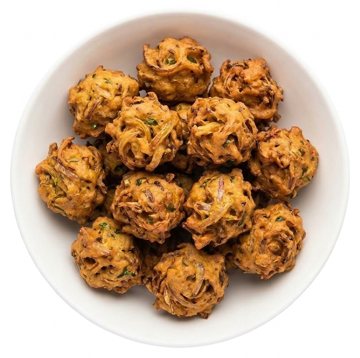
Kothimbir vade are steamed coriander-and-coconut cakes that are sliced and shallow-fried until crisp. They taste herbal and savoury with mild chilli warmth, crisp outside and soft inside.

Dough spice mix

3.2 gStirred into the coriander-flour mixture before water (step 3)
01
1.1 g½ teaspoon
spice
02
1.5 g½ teaspoon
spice
03
0.6 g¼ teaspoon
spice
Add the cumin, turmeric and chilli powder together as weighed; keep the cumin whole.

Everything else

04
Vegetable oil · Telplus extra for greasing and shallow-frying
40 g3 tablespoons
oil/fat
05
12 g2 tablespoons
fruit
06
3 g1 teaspoon
nut/seed
07
1.5 g1 chilli
vegetable
08
to taste
salt

Method

  1. Dry 100 g coriander leaf with paper towels until no surface moisture is left, then chop it finely and put it in a mixing bowl.
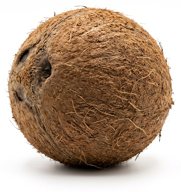
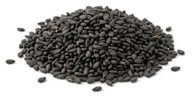
  2. Add 85 g chickpea flour, 35 g rice flour, 20 g of the 40.5 g vegetable oil, 12 g grated coconut, 3 g sesame seed, 2 g finely chopped green bird's-eye chilli and salt to taste.
  3. Stir in the dough spice mix and mix until the coriander is coated evenly.
  4. Knead in up to about 45 ml (3 tbsp) water, adding it a spoonful at a time, until a firm dough forms.
  5. Knead the remaining 20.5 g vegetable oil into the dough and turn it so the outside is lightly coated.
  6. Oil the steaming bowl and set up a steamer.
  7. Divide the dough in two and roll each half into a cylinder no more than 5 cm (2 in) thick. Put the cylinders in the oiled bowl, leaving room for them to expand.
  8. Steam over medium heat for 20–25 minutes. Remove and let cool slightly.
  9. Slice the cooled vade into rounds 2 cm (¾ in) thick.
  10. Heat a frying pan over medium heat with enough extra vegetable oil for shallow-frying. Fry the slices in batches for 2–3 minutes per side, until golden and crisp.
  11. Drain on paper towels, then fry the remaining slices, adding more oil if the pan looks dry.

Don't have something?

Coriander leaf
  • Coriander

    Use equal weight finely chopped; this is the exact same fresh herb.

  • Mint

    Use half the weight finely chopped; provides vibrant green freshness, though the flavour profile becomes noticeably cooler and sharper.

Chickpea flour
  • Yellow split pea flour

    Use 100% of the weight. Many commercial gram flours are milled from split peas; performs identically in pakora batters and kadhi.

  • Cornstarch

    For crisping batters or binding cutlets: use 50% to 60% of the weight. Produces a very crisp shell but lacks the earthy, roasted nutty flavour of besan.

Rice flour
  • Cornflour

    Use about 60–70% of the weight for thickening; for coatings use the same weight but the crust is denser.

  • Plain flour

    Use the same weight for coatings; contains gluten, browns faster and is less crisp.

  • Fine semolina

    Use the same weight for crisp coatings; coarser texture and needs a short rest.

Vegetable oil
  • Peanut oil

    Use 1:1 by weight. Handles high-heat frying identically and introduces a very subtle, pleasant nuttiness.

  • Ghee

    Use 1:1 by weight. Yields a much richer, authentic aroma and a glossy, heavier mouthfeel.

  • Mustard oil

    Use 1:1 by weight. Heat until smoking, then cool slightly before cooking to temper its intensely pungent, sharp mustard kick.

Coconut
  • Fresh coconut

    Use equal weight freshly grated or diced. Delivers the identical sweet, milky taste and juicy texture.

  • Desiccated coconut

    Use 60% of the weight and soak in hot water or milk for 15 minutes before using. The finished dish will be slightly sweeter and less fibrous.

  • Dried coconut

    Finely grate and use 50% of the weight, soaked in hot water for 20 minutes. Yields a firmer chew and a denser, oilier coconut aroma.

Cumin seed
  • Ground cumin

    Use 70% of the weight; add with ground spices or sauce bases rather than hot oil tempering, where it scorches quickly and turns bitter.

  • Black cumin seeds

    Use equal weight for oil tempering. Delivers an earthy profile with an additional musky, smoky, and slightly bitter edge.

  • Fennel seed

    Use 60% of the weight for tempering; offers comparable warm aroma, but leans sweet and liquorice-like rather than savoury and earthy.

Sesame seed
  • White sesame seed

    Use the same weight. Toast lightly before use; white seeds are milder and give a cleaner look.

  • Black sesame seed

    Use the same weight. They are stronger and more bitter; toast briefly and use slightly less if the dish is delicate.

  • Peanut

    Use the same weight, crushed or chopped. It gives crunch but not the same nutty sesame aroma.

Green bird's eye chilli
  • Bird's eye green chilli

    Use the same weight; heat and flavour are very close.

  • Green chilli

    Use 1.5 to 2 times the weight; deseed for less heat. Larger chillies are more watery.

  • Fresh green chilli

    Use 1.5 to 2 times the weight; chop finely and adjust heat by tasting.

Ground turmeric
  • Ground ginger

    Use 50% of the weight. Mimics turmeric's warm, earthy, rhizome background, but provides none of the golden-yellow colour.

  • Saffron

    Steep a tiny pinch (0.1 g per 2 g turmeric) in 2 tbsp warm water; use to match the rich golden hue. Contributes an aristocratic, honeyed floral flavour rather than earthy bitterness.


Mild chilli powder
  • Mild paprika

    Use the same weight for colour and low heat; add a small pinch of hot chilli powder if needed.

  • Kashmiri chilli powder

    Use the same weight; similar colour, slightly more heat. Taste before adding more.

  • Red chilli powder

    Use half the weight and make up with mild paprika; red chilli powder is usually hotter.

Similar dishes

Gatte ka Pulao
Gram (Chickpea) Flour Dumpling Rice
Gatte ka Pulao tastes rice-forward, mildly spiced, and tangy-savoury from lemon and buttermilk with sweet caramelised onion, while this dish tastes herbal and coriander-coconut-forward with crisp fried outside and soft inside.
  • Same: Gatte ka Pulao and this dish both use chickpea flour and share cumin seed, ground turmeric, chilli powder, coriander leaf, salt, and vegetable oil.
  • Different: Gatte ka Pulao adds basmati rice, buttermilk, garlic, onion, bay leaf, garam masala, asafoetida, and lemon juice, while this dish adds rice flour, coconut, sesame seed, and green bird's-eye chilli and is steamed then shallow-fried rather than cooked with rice.
Onion Pakode
Onion Pakode tastes warm and lightly spicy with sweet onion, whereas this dish tastes herbal and savoury from coriander and coconut with mild chilli warmth.
  • Same: Onion Pakode shares chickpea flour, cumin seed, green bird’s-eye chilli, ground turmeric, mild chilli powder, coriander leaf, salt and oil with this dish.
  • Different: Onion Pakode uses 300 g onion plus coarse semolina and fennel seed and is a batter fritter, while this dish uses rice flour, coconut and sesame seed and is steamed before being sliced and shallow-fried.
Cheela
Vegetarian Pancakes
Cheela tastes earthy and mildly spiced with crisp edges and a soft interior, while this dish tastes herbal and savoury with mild chilli warmth and a crisp shallow-fried outside.
  • Same: Cheela shares chickpea flour, vegetable oil, cumin seed, coriander leaf, green chilli, and salt with this dish.
  • Different: Cheela adds tomato and much more green chilli, and it lacks rice flour, coconut, sesame seed, turmeric, and chilli powder; it is cooked as pancakes rather than steamed and sliced.
Rajasthani Karhi
Gram (Chickpea) Flour & Yoghurt Curry
Rajasthani Karhi is a tangy, silky, pourable yoghurt curry with gentle heat and earthy cumin, while this dish is herbal and savoury with a crisp outside and soft inside.
  • Same: Rajasthani Karhi shares chickpea flour, cumin seed, green chilli, ground turmeric, salt, and oil with this dish.
  • Different: Rajasthani Karhi adds plain yogurt, garlic paste, asafoetida, and a dried red chilli tempering, while it lacks this dish's coriander leaf, coconut, rice flour, sesame seed, and steaming-then-shallow-frying method.