Indian cooking
Indian cooking / Dishes / Onion Pakode
Onion Pakode ()

Onion Pakode

VegetarianMakes around 12 pakoras

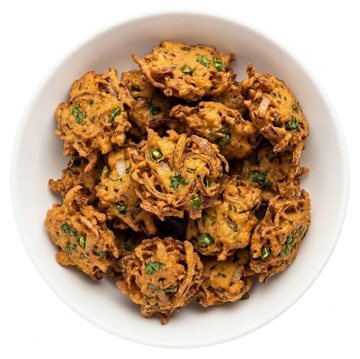
Onion pakode are crisp, golden fritters made from sliced onion held together in a chickpea-flour batter, with a warm, lightly spicy flavour from cumin, fennel, turmeric and chilli. The recipe makes around 12 pakoras.

Pakora spices

7 gStirred into the onions before the batter is added (step 2)
01
Cumin seed · Jeeracoarsely ground
3.2 g1½ teaspoons
spice
02
Fennel seed · Saunfcoarsely ground
2 g1 teaspoon
spice
03
1.5 g½ teaspoon
spice
04
0.6 g¼ teaspoon
spice
Add them as weighed: coarsely ground cumin and fennel with the ground turmeric and chilli powder.

Everything else

02
21 g2 tablespoons
grain
03
Onion · Pyazthinly sliced
300 g2 onions
vegetable
04
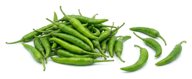
3 g2 chillies
vegetable
05
3 g3 tablespoons
herb
06
Oilfor deep-frying
to taste
oil/fat
07
to taste
salt

Method

  1. Combine 80 g chickpea flour and 21 g coarse semolina in a bowl and set aside.
  2. In a larger bowl, toss 300 g thinly sliced onion with 4 g finely chopped green bird’s eye chilli, 3 g finely chopped coriander leaf and the pakora spices.
  3. Sprinkle in the flour mixture and salt to taste.
  4. Add 70 ml water in small additions, stirring after each, until the onions are evenly coated in a thick, sticky batter.
  5. Heat oil for deep-frying to 170°C (338°F); if using a pan, use enough oil to come one-third up the sides, and check the heat with a small piece of bread, which should turn golden in about 30 seconds.
  6. Spoon small mounds of the batter into the hot oil and fry for 4–5 minutes, moving them around so they colour evenly, until crisp and golden.
  7. Transfer the pakoras to kitchen paper to drain.

Don't have something?

Chickpea flour
  • Yellow split pea flour

    Use 100% of the weight. Many commercial gram flours are milled from split peas; performs identically in pakora batters and kadhi.

  • Cornstarch

    For crisping batters or binding cutlets: use 50% to 60% of the weight. Produces a very crisp shell but lacks the earthy, roasted nutty flavour of besan.

Coarse semolina
  • Semolina

    Use the same weight; it is finer, so add liquid gradually and soak for less time.

  • Fine semolina

    Use the same weight; it absorbs faster and gives a smoother, less grainy texture.

  • Cream of wheat

    Use the same weight; toast it first if the recipe calls for roasting, and watch the liquid.

Onion
  • Shallot

    Use equal weight, finely sliced. Shallots soften and brown faster, giving a slightly sweeter and more delicate base to curries.

  • Cabbage

    Use 80% of the weight, finely shredded and browned slowly with a pinch of asafoetida. Replicates the bulk and natural sweetness in gravies without allium.

Cumin seed
  • Ground cumin

    Use 70% of the weight; add with ground spices or sauce bases rather than hot oil tempering, where it scorches quickly and turns bitter.

  • Black cumin seeds

    Use equal weight for oil tempering. Delivers an earthy profile with an additional musky, smoky, and slightly bitter edge.

  • Fennel seed

    Use 60% of the weight for tempering; offers comparable warm aroma, but leans sweet and liquorice-like rather than savoury and earthy.

Green bird's eye chilli
  • Bird's eye green chilli

    Use the same weight; heat and flavour are very close.

  • Green chilli

    Use 1.5 to 2 times the weight; deseed for less heat. Larger chillies are more watery.

  • Fresh green chilli

    Use 1.5 to 2 times the weight; chop finely and adjust heat by tasting.

Fennel seed
  • Aniseed

    Use 75% of the weight. Fry in hot oil or ghee; has a sharper, more pronounced liquorice flavour, so use a lighter hand.

  • Ground fennel seed

    Use 60% of the weight. Stir into the sauce with ground masalas; provides identical sweet aniseed flavour without whole seed crunch.

  • Star anise

    Use one point (single carpel) per 1 g of fennel seeds. Simmer in gravies and remove before serving; gives a deeper, woodier liquorice aroma.

Ground turmeric
  • Ground ginger

    Use 50% of the weight. Mimics turmeric's warm, earthy, rhizome background, but provides none of the golden-yellow colour.

  • Saffron

    Steep a tiny pinch (0.1 g per 2 g turmeric) in 2 tbsp warm water; use to match the rich golden hue. Contributes an aristocratic, honeyed floral flavour rather than earthy bitterness.


Mild chilli powder
  • Mild paprika

    Use the same weight for colour and low heat; add a small pinch of hot chilli powder if needed.

  • Kashmiri chilli powder

    Use the same weight; similar colour, slightly more heat. Taste before adding more.

  • Red chilli powder

    Use half the weight and make up with mild paprika; red chilli powder is usually hotter.

Coriander leaf
  • Coriander

    Use equal weight finely chopped; this is the exact same fresh herb.

  • Mint

    Use half the weight finely chopped; provides vibrant green freshness, though the flavour profile becomes noticeably cooler and sharper.

Oil
  • Vegetable oil

    Use the same weight. It is neutral and behaves the same in frying and tempering; no noticeable change in flavour.

  • Corn or vegetable oil

    Use the same weight. Neutral and good for high heat; the dish will taste virtually the same.

  • Groundnut oil

    Use the same weight. It has a mild nutty flavour and is good for Indian cooking; heat until just hot, not smoking, so the nuttiness does not dominate.

Similar dishes

Pakoras
Deep-fried Vegetable Fritters
Pakoras tastes less warm-spiced because it lacks cumin and fennel, has less coriander leaf and onion, and has more chilli powder and baking powder than this dish.
  • Same: Pakoras shares with this dish a deep-fried chickpea-flour batter coating sliced onion, seasoned with turmeric, chilli powder, green chilli, coriander leaf and salt.
  • Different: Pakoras uses 250 g chickpea flour and 150 g onion with baking powder, while this dish uses 80 g chickpea flour plus 21 g coarse semolina and 300 g onion, and adds cumin seed and fennel seed but no baking powder.
Vengayya Pakora
Onion Pakoras
Vengayya Pakora tastes simpler and hotter from chilli powder, with a rice-flour crunch, while this dish has a warmer cumin-fennel-turmeric flavour and fresh green-chilli heat.
  • Same: Vengayya Pakora shares with this dish a chickpea-flour batter, sliced onion, coriander leaf, chilli and deep-frying into crisp fritters.
  • Different: Vengayya Pakora uses rice flour and more onion and chickpea flour, and it lacks this dish’s semolina, cumin seed, fennel seed, turmeric and green bird’s eye chilli, using chilli powder instead.
Vengayya
Onion Fritters
It tastes more green-chilli hot and ajwain-forward, with less of this dish’s cumin-fennel warmth and turmeric note.
  • Same: Vengayya is also a crisp, golden fried onion fritter held together by a chickpea-flour batter and seasoned with green chilli and coriander leaf.
  • Different: It uses 150 g chickpea flour and 450 g onion plus rice flour and ajwain seed, while this dish uses semolina, cumin, fennel, turmeric and mild chilli powder and has no ajwain or rice flour.
Cheela
Vegetarian Pancakes
Cheela has a softer interior and a tangier tomato note, with less onion sweetness and less of this dish’s warm fennel-and-turmeric spice.
  • Same: Cheela and this dish both use chickpea flour, green chilli, cumin seed, coriander leaf, salt and oil, and both are savoury fried foods.
  • Different: Cheela includes tomato and much more green chilli and coriander leaf, while it lacks this dish’s onion, semolina, fennel seed, turmeric and mild chilli powder; it is cooked as a pancake batter rather than as drop fritters.