
Kashmiri Dahi Baingan
Kashmiri dahi baingan is roasted aubergine in a smooth, tangy yoghurt gravy scented with fennel, chilli and cardamom. It tastes creamy and mild, with a little heat and a fresh coriander finish.
Spice paste
5 gMixed with water and set aside before roasting the aubergine (step 2)Whole spices for the oil
1 gAdded to the hot oil before the spice paste (step 5)Everything else

Method
- Heat the oven to 200°C/400°F.
- Mix 2.5 g kashmiri chilli powder or mild paprika, 2.2 g ground fennel seed and 0.5 g ground ginger in a small bowl. Stir in 50 ml water until lump-free and set aside.
- Whisk 200 g greek yoghurt with 20 ml water until smooth.
- Lay 400 g aubergine slices on a baking tray. Sprinkle with a pinch of salt and 40.5 g of the 67.5 g vegetable oil. Roast for 20 minutes, until almost tender.
- Put a heavy saucepan over low heat. Add the remaining 27 g vegetable oil and heat. Add the whole spices for the oil: 0.3 g asafoetida and 0.7 g green cardamom pod. Fry for 2–3 seconds.
- Add the spice paste and stir for 1 minute.
- Stir in the 200 g greek yoghurt mixture a little at a time. Cook over low heat for 5 minutes, stirring twice.
- Add the roasted aubergine, 0.3 g granulated sugar and salt to taste. Cover and simmer for 2 minutes, turning the pieces to coat evenly.
- Take off the heat and scatter over chopped coriander leaves.
Don't have something?


 Kashmiri chilli powder
Use the same weight; this is the first half of the book's option and gives the best red colour with mild heat.
 Mild paprika
Use the same weight; add a pinch of cayenne pepper for warmth. Slightly less colour.
- Paprika
Use the same weight and add cayenne pepper to taste; works but is less aromatic.


 Fennel seed
Grind whole seeds finely; use equal weight (1:1). Provides a fresh, sweet, aniseed aroma that is slightly stronger than pre-ground powder.
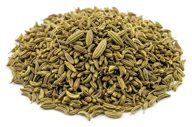 Aniseed
Grind finely; use 75% to 80% of the weight. Has a sharper, sweeter liquorice taste with less of fennel's herbal earthiness.
 Star anise
Grind whole star anise finely; use 30% to 40% of the weight. Very potent aniseed flavour that easily overpowers a dish if not used sparingly.


 Ginger paste
Use 300% to 400% of the weight (e.g. 3–4 g paste for 1 g ground). Fry in oil alongside onions; provides a juicy, pungent kick rather than a dry, baking-spice heat.
 Fresh ginger
Peel and grate finely; use 300% to 400% of the weight. Add to the hot oil early; delivers bright, peppery warmth rather than the mellow, woody heat of dry ginger.
 Ground mace
Use 50% of the weight. Imparts a warm, spicy undertone in rich gravies, but lacks ginger's fiery, sharp zest.


 Hung natural yoghurt
Use the same weight and whisk smooth; same thick consistency.
 Full-fat natural yoghurt
Use 1.25 times the weight and strain through muslin for 30 minutes; looser if not strained.
 Hung yogurt
Use the same weight; virtually identical.


 Baby aubergine
Use the same weight; halve or quarter and cook 2–3 minutes longer. They hold their shape better in the sauce.
 Small aubergine
Use the same weight; slice or cube to the recipe's size. Similar flesh, slightly firmer.
 Round aubergine
Use the same weight; cube and salt for 10 minutes if the recipe does. It absorbs oil a little more.


 Peanut oil
Use 1:1 by weight. Handles high-heat frying identically and introduces a very subtle, pleasant nuttiness.
 Ghee
Use 1:1 by weight. Yields a much richer, authentic aroma and a glossy, heavier mouthfeel.
 Mustard oil
Use 1:1 by weight. Heat until smoking, then cool slightly before cooking to temper its intensely pungent, sharp mustard kick.


 Garlic powder
Use double the weight. Stir into hot oil just before adding wet ingredients; mimics the allium savoury background without the sulphurous edge.
 Garlic paste
Use 2 g for every 0.5 g of asafoetida. Sauté in oil until the raw smell clears; adds moisture and sweet allium depth.


 Green cardamom seed
Use 35 to 40% of the total pod weight; lightly bruise the seeds before frying in oil to release their essential oils.
 Ground green cardamom
Use 20 to 25% of the pod weight (about 1 generous pinch per pod); stir in toward the end of cooking so the delicate floral notes do not dissipate.
 White cardamom pod
Use 1:1 by pod count or weight; crack gently before using, though it is slightly less intensely floral.


 Jaggery
Use equal weight; grate or shave finely so it dissolves rapidly, giving a warm, caramel-like sweetness and slightly darker sauce.


 Coriander (cilantro) or basil
Use the same weight, choosing the coriander element if available. If only basil is available, expect a sweeter, more aniseed flavour.
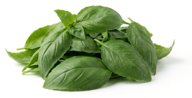 Basil leaves
Use the same weight. Basil is sweeter and more aromatic in a different way; add near the end so it keeps its perfume.
 Coriander paste
Use 1.5 times the weight and reduce other liquid slightly; it is less fresh and more concentrated, so taste before adding more.


Similar dishes

- Same: Baingan Raita shares roasted aubergine, Greek yoghurt, vegetable oil, Kashmiri chilli, sugar, salt and coriander with this dish.
- Different: Baingan Raita uses cumin seed and black peppercorn and is layered rather than made into a smooth yoghurt gravy, and it lacks this dish's fennel, ginger, asafoetida and green cardamom.

- Same: Baingan Raita shares aubergine, yogurt, vegetable oil, mild chilli powder, salt and coriander leaves with this dish.
- Different: Baingan Raita adds cumin seed, black mustard seed, dried red chilli, curry leaf and turmeric and uses a tempering, while this dish uses fennel seed, green cardamom, ground ginger, asafoetida and sugar in a yoghurt gravy.

- Same: Bengali Begun Bhaja shares aubergine, mild Kashmiri chilli powder or paprika, salt and oil with this dish.
- Different: Bengali Begun Bhaja adds turmeric and shallow-fries thick aubergine rounds, while this dish roasts aubergine and puts it in a yoghurt gravy with fennel, ginger, asafoetida, cardamom, sugar and coriander.
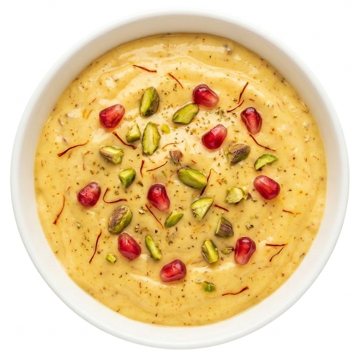
- Same: Shrikhand shares Greek yoghurt and green cardamom with this dish.
- Different: Shrikhand lacks aubergine, vegetable oil, asafoetida, fennel, chilli, ginger, salt and coriander, and instead uses saffron, caster sugar, pistachio and pomegranate; it is a cool pudding, not roasted aubergine in a cooked yoghurt gravy.