Indian cooking
Dosa (Savoury Rice Pancakes)

Dosa

Savoury Rice Pancakes
VegetarianOrigin Tamil Nadu/Karnataka/KeralaPrep 30 minutes, plus soaking and standing timeCook 20 minutes

Thin, golden fermented rice and lentil crêpes with crisp, lacy edges and a tender centre. They carry a gentle, savoury tang from overnight fermentation and are traditionally eaten with chutneys, spiced potatoes, and lentil stew.

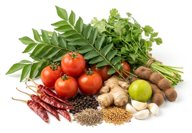
Grinding spices

0.9 gBlended with the soaked rice (step 3)
01
0.9 g¼ teaspoon
spice
Keep whole to purée alongside the soaked grains.

Everything else

Method

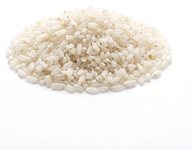
  1. Place 350 g parboiled rice and 700 g basmati rice into a large bowl, cover generously with cold water, and leave to soak for 10 hours.
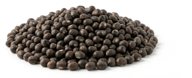
  2. In a separate bowl, submerge 250 g urad dal in cold water and soak for 4 to 5 hours. Drain the dal thoroughly and purée in a blender until completely smooth and creamy, then transfer to a large mixing bowl.
  3. Drain the soaked rice mixture and rinse with cold water. Transfer to the blender with the grinding spices (and 1 tbsp pressed rice, if using for a softer texture) and blitz into a fine, smooth paste.
  4. Add the ground rice paste to the dal paste, season with salt to taste, and stir well to combine. Cover the bowl and leave it in a warm draught-free spot to ferment overnight.
  5. Whisk 0.25 tsp baking powder into the fermented batter and beat vigorously until light, smooth, and airy.
  6. Set a flat tawa or heavy non-stick frying pan over medium-high heat. Test the temperature by sprinkling a few drops of water onto the surface; once they sizzle and evaporate, brush with a thin film of the 250 g ghee.
  7. Pour a ladle of batter into the centre of the pan and quickly spread it outwards in concentric circles into a thin, even disc.
  8. Cook undisturbed for 2 to 3 minutes until the base turns deep golden-brown, the edges become lacy and crisp, and the centre sets. Transfer to a warm platter and repeat the cooking process with the remaining batter, greasing the pan with ghee before each dosa. Serve immediately with warm potato filling, chutney, and sambar.

Don't have something?

Parboiled rice
  • Long-grain rice

    Use the same weight; it cooks softer and faster, so use about 10–15% less water and check earlier.

  • Basmati rice

    Use the same weight; it is less stout and cooks faster, so reduce water and simmer gently.

  • Rice

    Use the same weight; any plain rice will work but will not have the firm bite of parboiled rice.

Basmati rice
  • Plain boiled rice

    Use 2.5 times the weight if substituting pre-cooked rice. Fold in gently at the end of the recipe; grains will be shorter and less fragrant.

Fenugreek seed
  • Mustard seed

    Use 50% of the weight, crush or grind. Sharper heat and less maple-bitter; fry briefly in oil before adding.

  • Caraway seeds

    Use the same weight, crush lightly. Similar bitter-seed note but more aniseed; reduce other sweet spices slightly.

  • Ajwain seeds

    Use 25–30% of the weight, crush. Much stronger thyme-like flavour; do not overdo.

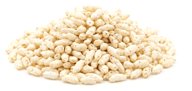
Pressed rice
  • Thick flattened rice

    Use the same weight; rinse in a sieve and soak 5–10 minutes until just soft. It is the same poha in a thicker grade, so texture is close.

  • Coarsely broken rice

    Use the same weight; soak 20–30 minutes and cook 5 minutes longer. Grains stay separate and less flaky.

  • Puffed rice

    Use the same weight only for dry snacks; it goes soggy if soaked. Not for poha-style dishes.

Urad dal
  • Whole black gram

    Use equal weight. Needs longer soaking and cooking; the dark skins impart an earthy flavour and greyish-black hue unless thoroughly rubbed off.

  • Chana dal

    Use equal weight when tempering (tadka). Provides a comparable nutty, crunchy texture in hot oil, though grains are slightly larger.

  • Split mung beans

    Use equal weight for batters or dals. Ferments and cooks faster, producing a lighter, less sticky, and less viscous consistency.

Baking powder
  • Baking soda

    Use 25% of the baking powder's weight (e.g. 1 g for 4 g) and add 2 g cream of tartar or 1 tsp lime juice per 100 g flour. Mix quickly and bake at once.

  • Bicarbonate of soda

    Same as baking soda: use 25% of the weight with an acid such as cream of tartar, lemon juice or yogurt. Expect a slightly soapy taste if overused.

  • Self-raising flour

    Replace the plain flour plus baking powder with the same weight of self-raising flour; omit added baking powder and reduce salt slightly.

Ghee
  • Unsalted butter

    Use 120% of the weight; melt gently over low heat to avoid burning the milk solids, which will yield a softer, creamier richness rather than a nutty aroma.


  • Vegetable oil

    Use 85% of the weight; holds high cooking temperatures without smoking, but the final dish will lack traditional dairy depth.

  • Mustard oil

    Use equal weight; heat to smoking point and cool slightly before cooking, bearing in mind it introduces an assertive, pungent edge.

Savoury potato
  • Boiled potato

    Use the same weight, cut into pieces and toss with the spices. It is already cooked, so add late and heat through for 3–4 minutes.

  • Small new potato

    Use the same weight. Boil until just tender, then crush lightly and fry; skin-on new potatoes hold their shape better.

  • Sweet potato

    Use the same weight. Boil or roast until tender; it is sweeter and softer, so reduce sugar in the dish and cook 5 minutes less.

Coconut chutney
  • Green chutney

    Use the same weight; it is sharper and herby, so loosen with a little water and adjust salt.

  • Mint chutney

    Use the same weight; mintier and less creamy, so add a spoon of yogurt if the dish needs body.

  • Chutney

    Use the same weight and taste; generic chutney may be sweeter or more sour, so adjust lime and salt.

Sambhar
  • South Indian lentil soup

    Use the same volume. Rasam is thinner and more peppery; simmer 5 minutes to thicken slightly and adjust salt.

  • Cooked pigeon peas

    Use the same weight, loosened with tamarind extract and 1 tsp sambhar masala. Simmer 10 minutes; it will be thicker and less sour.

  • Lentil

    Use the same weight of cooked lentil, add tamarind and sambhar masala, and simmer 10 minutes. Texture will be plainer.

Similar dishes

Paper Dosa
Crisp Wafer-thin Pancakes
Paper Dosa is uniformly brittle and dry with a slightly stronger fenugreek note, lacking the soft, tender centre of this dish.
  • Same: Paper Dosa shares the same foundation of fermented basmati rice and urad dal griddled into crêpes and served with coconut-tomato chutney and sambhar.
  • Different: Paper Dosa uses an equal ratio of rice to dal, a much higher proportion of fenugreek seeds, and can use vegetable oil instead of exclusively ghee while being spread into a wafer-thin, uniformly crisp sheet.
Khuzhi Paniyaram
Fried Rice Dumplings from Chettinad
It tastes nuttier and more aromatic from the fresh coconut and mustard seeds, lacking the rich, buttery flavor imparted by the ghee in this dish.
  • Same: Khuzhi Paniyaram uses the same base of fermented basmati rice, urad dal, and fenugreek seeds as this dish.
  • Different: Instead of thin crêpes cooked with ghee, Khuzhi Paniyaram is pan-fried into rounded dumplings using vegetable oil and incorporates fresh coconut, mustard seeds, and coriander leaf into the batter.
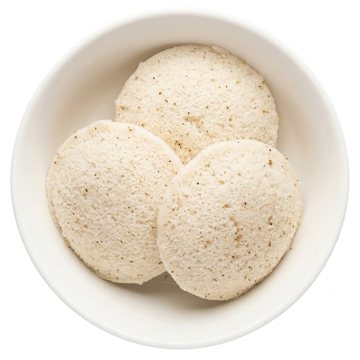
Idli
Steamed Spongy Cakes
Idli tastes soft, pillowy, and mild, lacking the crisp texture and rich ghee flavour of this dish.
  • Same: Idli shares the fermented urad dal base, salt, and a Sambhar accompaniment with this dish.
  • Different: Idli is steamed without any ghee and lacks the basmati rice and fenugreek seeds used in this dish.
Paitham Parappu Idli
Steamed Green Lentil Dumplings
Paitham Parappu Idli is tender and subtly spiced with coconut, ginger, and green chilli, while this dish is crisp, lacy, tangy, and richer from ghee.
  • Same: Paitham Parappu Idli shares with this dish a fermented rice-and-lentil base, including basmati rice, urad dal, pressed rice, and salt.
  • Different: Paitham Parappu Idli adds moong dal, fresh coconut, green chilli, ginger, coriander leaf, and vegetable oil, and it is steamed rather than cooked as thin ghee-rich crêpes with fenugreek and baking powder.