Indian cooking
Indian cooking / Dishes / Khuzhi Paniyaram
Khuzhi Paniyaram (Fried Rice Dumplings from Chettinad)

Khuzhi Paniyaram

Fried Rice Dumplings from Chettinad
Vegetarian●●●Origin Tamil NaduPrep 45 minutes, plus soaking and fermenting timeCook 1½ hoursMakes 28–30

These crisp-edged South Indian dumplings have a soft, spongy interior made from a naturally fermented rice and lentil batter spiced with mustard seeds, coconut, and onion.

Soaking spices

3.7 gSoaked alongside the urad dal in step 1
01
3.7 g1 teaspoon
spice
Keep whole: they are soaked and ground together with the lentils.

Tempering spices

3.3 gBloomed in hot oil in step 4
01
3.3 g1 teaspoon
spice
Keep whole: they go directly into the hot oil.

Everything else

01
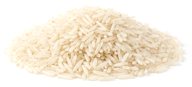
200 g
grain
02
180 g
grain
03
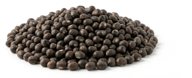
Black gram · Urad Dalrinsed and drained
70 g
legume
04
2 g2 tablespoons
herb
05
to taste
oil/fat
06
to taste
salt
08
27 g2 tablespoons
oil/fat
09
300 g2 onions
vegetable
10
24 g4 tablespoons
fruit

Method

  1. Place 200 g basmati rice and 180 g parboiled rice into a bowl of water to soak for 6 hours. Simultaneously, soak 70 g urad dal together with the soaking spices in a separate bowl of water for 6 hours.
  2. Drain the soaked rice thoroughly. Transfer to a blender and grind until smooth, pouring in approximately 500 ml of water in small increments as you blend. Pour the batter into a large bowl.
  3. Drain the dal and fenugreek mixture and process in the blender with 2 to 3 tablespoons of water until completely smooth. Stir the lentil purée into the rice batter, season with salt to taste, and rest in a warm place to ferment for 6–8 hours. Loosen with a splash of water if required to achieve a thick, pourable consistency.
  4. Warm 27 g vegetable oil in a small frying pan over medium heat. Tip in the tempering spices and let them crackle for 1 minute. Add 2 chopped onions and sauté for 1–2 minutes, then stir in 24 g fresh coconut and cook for 1 minute more. Tip the pan contents and 2 g coriander leaf into the fermented batter, mixing thoroughly.
  5. Warm a paniyaram or æbleskiver pan over low heat and add a little vegetable oil into every indentation. Fill each well halfway with batter and fry gently for about 3 minutes.
  6. Use a skewer to flip each dumpling over and cook the other side for roughly 3 minutes until evenly golden. Transfer to paper towels to drain, then serve alongside chutney.

Don't have something?

Basmati rice
  • Plain boiled rice

    Use 2.5 times the weight if substituting pre-cooked rice. Fold in gently at the end of the recipe; grains will be shorter and less fragrant.

Parboiled rice
  • Long-grain rice

    Use the same weight; it cooks softer and faster, so use about 10–15% less water and check earlier.

  • Basmati rice

    Use the same weight; it is less stout and cooks faster, so reduce water and simmer gently.

  • Rice

    Use the same weight; any plain rice will work but will not have the firm bite of parboiled rice.

Urad dal
  • Whole black gram

    Use equal weight. Needs longer soaking and cooking; the dark skins impart an earthy flavour and greyish-black hue unless thoroughly rubbed off.

  • Chana dal

    Use equal weight when tempering (tadka). Provides a comparable nutty, crunchy texture in hot oil, though grains are slightly larger.

  • Split mung beans

    Use equal weight for batters or dals. Ferments and cooks faster, producing a lighter, less sticky, and less viscous consistency.

Fenugreek seed
  • Mustard seed

    Use 50% of the weight, crush or grind. Sharper heat and less maple-bitter; fry briefly in oil before adding.

  • Caraway seeds

    Use the same weight, crush lightly. Similar bitter-seed note but more aniseed; reduce other sweet spices slightly.

  • Ajwain seeds

    Use 25–30% of the weight, crush. Much stronger thyme-like flavour; do not overdo.

Coriander leaf
  • Coriander

    Use equal weight finely chopped; this is the exact same fresh herb.

  • Mint

    Use half the weight finely chopped; provides vibrant green freshness, though the flavour profile becomes noticeably cooler and sharper.

Vegetable oil
  • Peanut oil

    Use 1:1 by weight. Handles high-heat frying identically and introduces a very subtle, pleasant nuttiness.

  • Ghee

    Use 1:1 by weight. Yields a much richer, authentic aroma and a glossy, heavier mouthfeel.

  • Mustard oil

    Use 1:1 by weight. Heat until smoking, then cool slightly before cooking to temper its intensely pungent, sharp mustard kick.

Coconut chutney
  • Green chutney

    Use the same weight; it is sharper and herby, so loosen with a little water and adjust salt.

  • Mint chutney

    Use the same weight; mintier and less creamy, so add a spoon of yogurt if the dish needs body.

  • Chutney

    Use the same weight and taste; generic chutney may be sweeter or more sour, so adjust lime and salt.

Mustard seed
  • Black mustard seed

    Use the same weight. The seeds are smaller and hotter; fry in hot oil until they pop, about 20–30 seconds, and reduce the heat if they darken too fast. The dish will be a little sharper.

  • Yellow mustard seeds

    Use the same weight. They are milder and larger; fry a few seconds longer until they pop. The finished dish will have less pungency.

  • Ground mustard seed

    Use 70% of the weight of whole seed, added with the other ground spices rather than fried whole. You lose the popping texture and the heat comes through more evenly.

Onion
  • Shallot

    Use equal weight, finely sliced. Shallots soften and brown faster, giving a slightly sweeter and more delicate base to curries.

  • Cabbage

    Use 80% of the weight, finely shredded and browned slowly with a pinch of asafoetida. Replicates the bulk and natural sweetness in gravies without allium.

Fresh coconut
  • Desiccated coconut

    Use 50% to 60% of the weight, soaked in equal parts warm water for 15 minutes before grinding. Works well for chutneys, though texture is slightly finer and sweeter.

  • Coconut milk

    Use 1.2 times the weight in curries. Adds creamy richness and authentic flavour, but makes gravies smoother and eliminates the grated, chewy mouthfeel.


Similar dishes

Masala Siyam
Fried Rice & Black Lentil Dumplings
Masala Siyam tastes more richly of fried black lentils and curry leaves, lacking the mild sourness that fermentation gives to this dish.
  • Same: Both are South Indian dumplings flavored with mustard seeds, fresh coconut, and coriander leaf, cooked in vegetable oil.
  • Different: Masala Siyam is deep-fried from an urad-dal batter with curry leaves, omitting the basmati rice and fenugreek seeds used in this dish's fermented batter.
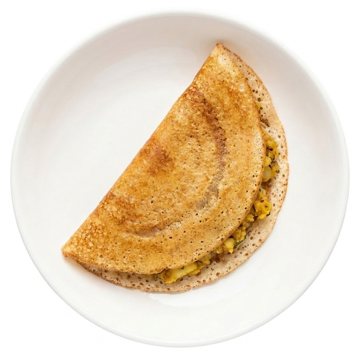
Paper Dosa
Crisp Wafer-thin Pancakes
Paper Dosa is entirely crisp and savory, lacking the soft, spongy interior and pops of tempered mustard seeds and fresh coconut found in this dish.
  • Same: Paper Dosa shares a naturally fermented batter of basmati rice, urad dal, and fenugreek seeds with this dish, and both are served with coconut-tomato chutney.
  • Different: Paper Dosa uses an equal ratio of rice to dal, is spread wafer-thin on a flat griddle rather than cooked into dumplings, and omits the mustard seeds, fresh coconut, and coriander leaf.
Dosa
Savoury Rice Pancakes
Dosa tastes richer and more buttery from ghee, offering a simple tangy flavor without the herbal and nutty notes of mustard seeds and coconut found in this dish.
  • Same: Dosa uses the same fermented batter base of basmati rice, urad dal, and fenugreek seeds as this dish, and both are served with tomato-coconut chutney.
  • Different: Dosa is spread thin and cooked as a crêpe using ghee rather than fried as dumplings in vegetable oil, and it omits the mustard seeds, coriander leaf, and fresh coconut.
Masala Idli
Spicy Steamed Rice Dumplings
Masala Idli tastes softer and more pillowy, with green-chilli, ginger, and asafoetida spice, while this dish tastes crisper at the edges and more onion-forward.
  • Same: Masala Idli shares with this dish a fermented rice-and-urad-dal batter, mustard-seed tempering, fresh coconut, coriander leaf, salt, and vegetable oil.
  • Different: Masala Idli uses only parboiled rice, adds chana dal, ginger, green chilli, cumin, asafoetida, and curry leaf, lacks basmati rice, fenugreek, and onion, and is steamed rather than fried in a paniyaram pan.