Indian cooking
Idli (Steamed Spongy Cakes)

Idli

Steamed Spongy Cakes
VegetarianOrigin Tamil NaduPrep 30 minutes, plus soaking timeCook 15 minutes

These South Indian steamed cakes are soft, pillowy, and delicately savoury. Light and fluffy, they are traditionally enjoyed warm alongside lentil stew and spiced powder.

Ingredients

01
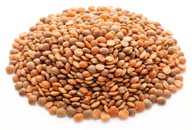
Black gram · Urad Dalrinsed and drained
120 g
legume
04
4 g1 teaspoon
other
05
to taste
salt
07
to taste
spice blend

Method

  1. Place 120 g urad dal into a bowl, cover generously with water, and leave to soak overnight.
  2. Drain the soaked dal and purée in a blender until smooth. Transfer to a clean bowl, incorporate 125 g semolina, and let rest overnight.
  3. Cover 135 g rice with water in a separate bowl and soak for 15 minutes. Drain, blend to a fine paste, transfer to another bowl, and set aside overnight.
  4. Line idli moulds with a damp cloth, or lightly grease small ramekins if idli moulds are not available.
  5. Combine the dal mixture and the rice paste in a large bowl. Add 1 teaspoon baking powder and salt to taste, then whisk vigorously for 2 minutes to aerate the batter.
  6. Spoon the batter into the prepared moulds. Steam over boiling water—in a steamer or a pressure cooker without the weight gauge—for 8 to 10 minutes, until a skewer inserted into the middle emerges clean.
  7. Rest the idlis for 1 to 2 minutes before unmoulding. Serve warm with Sambhar and karpodi.

Don't have something?

Urad dal
  • Whole black gram

    Use equal weight. Needs longer soaking and cooking; the dark skins impart an earthy flavour and greyish-black hue unless thoroughly rubbed off.

  • Chana dal

    Use equal weight when tempering (tadka). Provides a comparable nutty, crunchy texture in hot oil, though grains are slightly larger.

  • Split mung beans

    Use equal weight for batters or dals. Ferments and cooks faster, producing a lighter, less sticky, and less viscous consistency.

Fine semolina
  • Semolina

    Use the same weight and pulse in a blender until fine. If not fine enough, soak 10 minutes before cooking.

  • Coarse semolina

    Use the same weight, grind finer or soak 10–15 minutes longer. Coarser texture; good for upma but not fine batters.

  • Cream of wheat

    Use the same weight. Similar fine grain; cooking time is about the same, stir well to avoid lumps.

Parboiled rice
  • Long-grain rice

    Use the same weight; it cooks softer and faster, so use about 10–15% less water and check earlier.

  • Basmati rice

    Use the same weight; it is less stout and cooks faster, so reduce water and simmer gently.

  • Rice

    Use the same weight; any plain rice will work but will not have the firm bite of parboiled rice.

Baking powder
  • Baking soda

    Use 25% of the baking powder's weight (e.g. 1 g for 4 g) and add 2 g cream of tartar or 1 tsp lime juice per 100 g flour. Mix quickly and bake at once.


  • Bicarbonate of soda

    Same as baking soda: use 25% of the weight with an acid such as cream of tartar, lemon juice or yogurt. Expect a slightly soapy taste if overused.

  • Self-raising flour

    Replace the plain flour plus baking powder with the same weight of self-raising flour; omit added baking powder and reduce salt slightly.

Sambhar
  • South Indian lentil soup

    Use the same volume. Rasam is thinner and more peppery; simmer 5 minutes to thicken slightly and adjust salt.

  • Cooked pigeon peas

    Use the same weight, loosened with tamarind extract and 1 tsp sambhar masala. Simmer 10 minutes; it will be thicker and less sour.

  • Lentil

    Use the same weight of cooked lentil, add tamarind and sambhar masala, and simmer 10 minutes. Texture will be plainer.

Karpodi
  • Chettinad sambhar powder

    Use 70-80% of the weight; it is a roasted-dal Tamil blend. Add a pinch of ground black pepper for heat.

  • Lentil stew spice mix

    Use 70% of the weight and add a pinch of roasted ground urad dal if possible. Broader, less peppery.

  • Poriyal powder

    Use the same weight but add a pinch of ground black pepper. Simpler and less complex.

Similar dishes

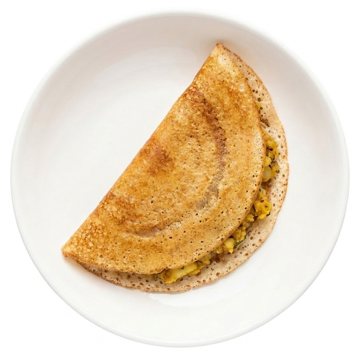
Dosa
Savoury Rice Pancakes
Dosa is tangy from fermentation with crisp lacy edges and a tender centre, while this dish is soft, pillowy, and delicately savoury.
  • Same: Dosa shares urad dal, parboiled rice, baking powder, salt, and a South Indian serving context with sambhar with this dish.
  • Different: Dosa adds basmati rice, fenugreek seed, pressed rice, and ghee and is fermented then cooked as thin pancakes, while this dish uses semolina and is steamed as cakes.
Plain Utthapam
Savoury Eggless Pancakes
Plain Utthapam tastes richer and more savory with crisp, pan-toasted edges, whereas this dish has an oil-free, mild profile.
  • Same: Plain Utthapam is also a fermented South Indian batter dish that is traditionally served with sambhar.
  • Different: Plain Utthapam is griddled in vegetable oil as a thick pancake rather than steamed like this dish, and it is paired with nariyal tamatar ki chutney instead of karpodi.
Paper Dosa
Crisp Wafer-thin Pancakes
Paper Dosa is rich, toasted, and shatteringly crisp, whereas this dish is mild, soft, and spongy.
  • Same: Paper Dosa shares an urad dal base and a side of sambhar with this dish.
  • Different: Paper Dosa adds basmati rice and fenugreek seeds to the batter and is fried crisp in ghee or vegetable oil rather than steamed without fat.
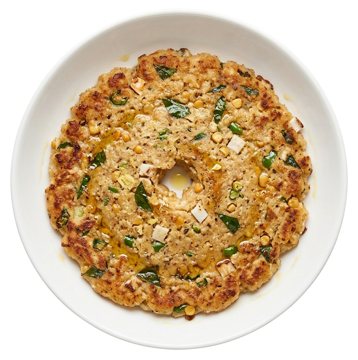
Malabar Adai
Rice & Lentil Pancakes from Malabar
Malabar Adai tastes crisp, savoury and hot from green chilli and ginger with coconut and lentil bits, whereas this dish is soft, fluffy and mild.
  • Same: Malabar Adai shares with this dish a savoury South Indian rice-and-lentil batter seasoned with salt.
  • Different: It adds chana dal, toor dal, ginger, green chilli, curry leaf, fresh coconut and vegetable oil, uses a coarse batter and is pan-fried, while this dish uses semolina and baking powder and is steamed.