Indian cooking
Indian cooking / Dishes / Paitham Parappu Idli
Paitham Parappu Idli (Steamed Green Lentil Dumplings)

Paitham Parappu Idli

Steamed Green Lentil Dumplings
Vegetarian●●●Origin Andhra Pradesh/Tamil NaduPrep 25 minutes, plus soaking and fermenting timeCook 20 minutes

These savoury South Indian steamed cakes are made from fermented lentils and rice, flecked with fresh coconut, ginger, and green chillies. Light, tender, and subtly spiced, they make a wholesome breakfast or snack.

Ingredients

01
200 g
grain
02
100 g
legume
03
Black gram · Urad Dalrinsed and drained
100 g
legume
04
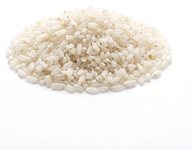
Pressed rice · Poharinsed and drained
19 g4 tablespoons
grain
06
Green chilli · Hari Mirchde-seeded and finely chopped
12–18 g2–3 chillies
vegetable
07
Ginger · Adrak2.5-cm / 1-inch
12 g1 piece
aromatic
08
2 g2 tablespoons
herb
09
to taste
oil/fat
10
to taste
salt

Method

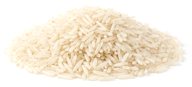
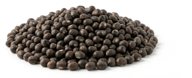
  1. Place 200 g basmati rice into one bowl, and combine 100 g moong dal and 100 g urad dal in a second bowl. Cover both with cold water and soak for 1 hour.
  2. Drain the soaked rice and transfer it to a food processor or blender. Blitz while gradually pouring in 125 ml water until ground into a coarse, slightly grainy batter, then pour into a large mixing bowl.
  3. Drain the soaked lentils and blend them until nearly smooth. Add 4 tbsp pressed rice, 85 g fresh coconut, 12–18 g green chilli, 12 g ginger, 2 g coriander leaf, and 60 ml (4 tbsp) water, then process until completely smooth.
  4. Combine the lentil mixture with the rice batter in the bowl. Season with salt to taste and stir well to form a thick, pourable batter, adjusting with a little extra water if necessary. Cover and leave to ferment in a warm place for about 4 hours.
  5. Grease idli moulds or small ramekins with a light coating of vegetable oil. Spoon about 4 tablespoons of batter into each recess.
  6. Steam over high heat in an idli steamer or unweighted pressure cooker for roughly 20 minutes, until a skewer inserted into the centre of an idli comes out clean.
  7. Remove the moulds from the heat and rest for 1 to 2 minutes before unmoulding the idlis.

Don't have something?

Basmati rice
  • Plain boiled rice

    Use 2.5 times the weight if substituting pre-cooked rice. Fold in gently at the end of the recipe; grains will be shorter and less fragrant.

Moong dal
  • Red lentils

    Use equal weight. It cooks in about the same time and breaks down to a similar soft, creamy consistency, though the colour will be slightly pinkish-orange.

  • Pigeon peas

    Use equal weight. Requires longer soaking and cooking time, and produces a slightly earthier, denser dal.

Urad dal
  • Whole black gram

    Use equal weight. Needs longer soaking and cooking; the dark skins impart an earthy flavour and greyish-black hue unless thoroughly rubbed off.

  • Chana dal

    Use equal weight when tempering (tadka). Provides a comparable nutty, crunchy texture in hot oil, though grains are slightly larger.

  • Split mung beans

    Use equal weight for batters or dals. Ferments and cooks faster, producing a lighter, less sticky, and less viscous consistency.

Pressed rice
  • Thick flattened rice

    Use the same weight; rinse in a sieve and soak 5–10 minutes until just soft. It is the same poha in a thicker grade, so texture is close.

  • Coarsely broken rice

    Use the same weight; soak 20–30 minutes and cook 5 minutes longer. Grains stay separate and less flaky.

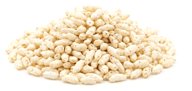
  • Puffed rice

    Use the same weight only for dry snacks; it goes soggy if soaked. Not for poha-style dishes.

Fresh coconut
  • Desiccated coconut

    Use 50% to 60% of the weight, soaked in equal parts warm water for 15 minutes before grinding. Works well for chutneys, though texture is slightly finer and sweeter.

  • Coconut milk

    Use 1.2 times the weight in curries. Adds creamy richness and authentic flavour, but makes gravies smoother and eliminates the grated, chewy mouthfeel.


Green chilli
  • Chilli powder

    Use 10 to 15% of the weight (about 1/4 teaspoon per chilli); imparts dry pungent heat and reddens the dish without the grassy crunch.

  • Dried red chilli

    Use 1 dried pod per fresh green chilli; snap in half and temper in hot oil for a deeper, toastier heat.

Ginger
  • Fresh ginger

    Use equal weight; scrape off the skin and grate or finely julienne according to the recipe.

  • Ginger paste

    Use equal weight; stir straight into the sizzling aromatics, taking care as the extra moisture may spit.

  • Ground ginger

    Use 15 to 20% of the weight; add alongside ground spices, noting it imparts warm, dry heat rather than zesty freshness.

Coriander leaf
  • Coriander

    Use equal weight finely chopped; this is the exact same fresh herb.

  • Mint

    Use half the weight finely chopped; provides vibrant green freshness, though the flavour profile becomes noticeably cooler and sharper.

Vegetable oil
  • Peanut oil

    Use 1:1 by weight. Handles high-heat frying identically and introduces a very subtle, pleasant nuttiness.

  • Ghee

    Use 1:1 by weight. Yields a much richer, authentic aroma and a glossy, heavier mouthfeel.

  • Mustard oil

    Use 1:1 by weight. Heat until smoking, then cool slightly before cooking to temper its intensely pungent, sharp mustard kick.

Similar dishes

Masala Siyam
Fried Rice & Black Lentil Dumplings
Masala Siyam tastes richer and crispier from deep-frying with earthy mustard and curry leaf notes, whereas this dish tastes milder, softer, and lightly pungent from fresh ginger and green chillies.
  • Same: Masala Siyam shares urad dal, fresh coconut, coriander leaves, and vegetable oil with this dish.
  • Different: Masala Siyam is deep-fried rather than steamed, uses only urad dal without rice or moong dal, tempers with mustard seeds and curry leaves, and omits the ginger and green chillies found in this dish.
Pesaru Punukulu
Green Lentil Fritters
Pesaru Punukulu is much crisper and significantly hotter from extra green chillies, lacking the rich coconut and zesty ginger notes of this dish.
  • Same: Pesaru Punukulu also combines rice, green chillies, coriander, and vegetable oil.
  • Different: Pesaru Punukulu is deep-fried rather than steamed, includes curry leaves, and omits the moong dal, urad dal, fresh coconut, and ginger used in this dish.
Mangupullu
Crispy Deep-fried Savoury Rings
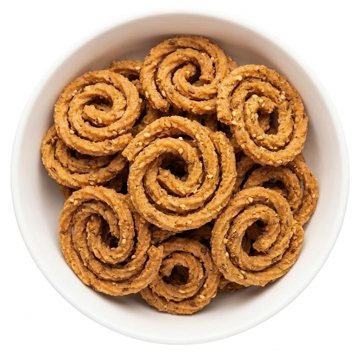
Mangupullu is brittle, crisp and nutty from deep-frying, cumin and sesame, whereas this dish is light, tender and subtly spiced.
  • Same: Mangupullu shares basmati rice, moong dal, salt and vegetable oil with this dish, and neither lists a souring agent.
  • Different: Mangupullu is deep-fried from ground rice, moong dal and gram flour with sesame, cumin and ghee, while this dish is steamed from fermented rice, moong dal and urad dal with coconut, green chilli, ginger and coriander.
Jangir
Syrup-soaked Pretzels
Jangir is sweet, glossy, and rosewater-saffron flavoured, while this dish is savoury, tender, and lightly spiced with coconut, ginger, and green chilli.
  • Same: Jangir shares basmati rice, urad dal, and vegetable oil with this dish, and both start from a lentil-and-rice batter.
  • Different: Jangir lacks this dish's moong dal, pressed rice, fresh coconut, green chilli, ginger, coriander leaf, and salt, and it adds sugar, saffron, rosewater, and milk and is fried and syrup-soaked rather than fermented and steamed.