
Broccoli Poriyal
A dry South Indian-style stir-fry of tenderstem broccoli with toasted cashews, fresh coconut and a cracked mustard-cumin tempering. It tastes savoury, nutty and lightly spicy, with the broccoli still firm to the bite.
Whole spices for the oil
9 gAdded to the hot oil before the onion (step 2)Asafoetida tempering
1.4 gStirred in once the seeds crackle (step 3)Chilli for the ginger stage
0.8 gAdded with the ginger and curry leaves (step 4)Everything else

Method
- Heat 15 g of the 40.5 g vegetable oil in a large wok over medium heat. Add 30 g cashew nut and fry for 3–4 minutes until golden, then lift out and set aside.
- Add the remaining 25.5 g vegetable oil to the wok. When hot, add the whole spices for the oil (2.1 g cumin seed and 7 g black mustard seed) and let them crackle and pop.
- When the seeds crackle, stir in the asafoetida tempering (1.4 g asafoetida) and 90 g white onion. Fry for 6–7 minutes over medium heat, stirring often, until the onion is soft and lightly golden.
- Add 10 g ginger root, 3–3.8 g curry leaf and the chilli for the ginger stage (0.8 g mild red chilli). Fry for 1 minute, then season with salt to taste.
- Add 350 g tenderstem broccoli and stir-fry for 3 minutes.
- Pour in 100 ml water, lower the heat to low, cover and cook for 7–8 minutes until the broccoli is tender.
- Add the reserved cashew nut and 12 g fresh coconut. Stir well and cook for 2 minutes.
- Serve warm.
Don't have something?


 Peanut oil
Use 1:1 by weight. Handles high-heat frying identically and introduces a very subtle, pleasant nuttiness.
 Ghee
Use 1:1 by weight. Yields a much richer, authentic aroma and a glossy, heavier mouthfeel.
 Mustard oil
Use 1:1 by weight. Heat until smoking, then cool slightly before cooking to temper its intensely pungent, sharp mustard kick.


 Almond
Use 100% of the weight. Soak in boiling water and slip off skins before frying or grinding; gives a lighter, slightly less sweet richness to curries.
 Poppy seed
Use 60% of the weight for gravies. Soak in warm water and grind into a fine paste to thicken royal kormas without adding heavy oiliness.
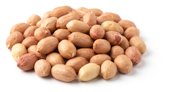 Shelled peanut
Use 100% of the weight. Roast, skin, and grind; creates a thicker, earthier texture typical of Maharashtrian and western Indian curries.


 Ground cumin
Use 70% of the weight; add with ground spices or sauce bases rather than hot oil tempering, where it scorches quickly and turns bitter.
 Black cumin seeds
Use equal weight for oil tempering. Delivers an earthy profile with an additional musky, smoky, and slightly bitter edge.
 Fennel seed
Use 60% of the weight for tempering; offers comparable warm aroma, but leans sweet and liquorice-like rather than savoury and earthy.


 Mustard seeds
Use equal weight. Pop in hot fat until they crackle and turn greyish; yields an almost identical nutty, pungent finish.
 Yellow mustard seeds
Use equal weight. Fry over medium heat; delivers a milder, sweeter pop and turns bitter quickly if the oil is excessively hot.


 Garlic powder
Use double the weight. Stir into hot oil just before adding wet ingredients; mimics the allium savoury background without the sulphurous edge.
 Garlic paste
Use 2 g for every 0.5 g of asafoetida. Sauté in oil until the raw smell clears; adds moisture and sweet allium depth.


 Brown onion
Use the same weight; it is the closest everyday match, with a slightly deeper sweetness when fried.
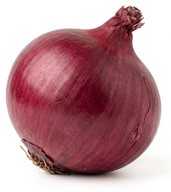 Red onion
Use the same weight; it is sharper and will tint the dish pink, so cook a little longer for sweetness.
 Shallot
Use the same weight; it is milder and sweeter, so reduce frying time slightly to avoid burning.


 Ginger paste
Use equal weight. Sauté in hot fat until the raw allium smell disappears; slightly wetter, but provides identical warmth and pungency.
 Ground ginger
Use 20% to 25% of the weight (1 g for every 4 to 5 g fresh). Stir into the gravy; adds peppery heat and warmth, though it misses the crisp, zesty kick of raw root.


 Bay leaf
Fry 1 bay leaf for every 5 curry leaves in hot oil; imparts a warm, woodsy background note, but misses the citrus-sulphury punch entirely.
 Lime juice
Add a small squeeze (about 5 ml per sprig of curry leaves) right before serving; provides sharp citrus top notes without the toasty, herbal aroma.


 Dried mild red chilli
Use the same weight; deseed and soak if a paste is needed. Slightly deeper flavour.
 Kashmiri red chilli
Use the same weight; good colour with mild heat. Deseed for less heat.
 Mild paprika
Use the same weight as ground powder; gives colour but little heat and no chilli texture.


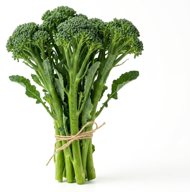
 Broccoli
Use the same weight, cut into long spears and peel the stalk. Cook 2 minutes longer; florets are softer.
 Broccoli or cauliflower floret
Use the same weight; different shape and texture. Cut into long pieces and cook until just tender.
 Asparagus spear
Use the same weight and cook 1–2 minutes less. Similar shape and grassy flavour, but more fibrous.



 Desiccated coconut
Use 50% to 60% of the weight, soaked in equal parts warm water for 15 minutes before grinding. Works well for chutneys, though texture is slightly finer and sweeter.
 Coconut milk
Use 1.2 times the weight in curries. Adds creamy richness and authentic flavour, but makes gravies smoother and eliminates the grated, chewy mouthfeel.


Similar dishes

- Same: Nariyal Aur Kaju Ki Chutney shares cashew nut, coconut, black mustard seed, curry leaf, asafoetida, vegetable oil and salt with this dish.
- Different: It is a creamy chutney made with coconut, roasted cashew, roasted chana dal, green chilli, tamarind paste and caster sugar, while this dish is a dry broccoli stir-fry with onion, ginger, cumin seed and no tamarind or sugar.

- Same: Nariyal ki Chutney shares coconut, cumin seed, asafoetida and salt with this dish.
- Different: Nariyal ki Chutney is a fresh blended chutney with 200 g coconut, green chilli, coriander leaf and lime juice, and it lacks this dish's vegetable oil, mustard seed, curry leaf, cashew, onion, ginger and broccoli.

- Same: Arisi Upama shares South Indian seasoning with this dish: mustard seed, cumin seed, asafoetida, curry leaf, dried red chilli, vegetable oil and fresh coconut.
- Different: Arisi Upama is built on broken rice with toor dal and urad dal, and it adds black pepper and green chilli, while this dish is a dry broccoli stir-fry with cashews, onion and ginger and has no rice or lentils.

- Same: Both are South Indian-style dishes tempered with black mustard seed, asafoetida, curry leaf, cashew nuts and vegetable oil.
- Different: Chitrannam is a rice dish with urad dal, chana dal, turmeric, green chilli, dried red chilli, ginger paste and lime juice, while this dish is a dry broccoli stir-fry with fresh coconut and no rice or lime.