
Nariyal ki Chutney
A vibrant, herbaceous green coconut chutney sharpened with fresh lime juice, green chillies, and aromatic cumin. It is fresh and pungent, best eaten the day it is prepared.
Chutney spices
2.4 gBlended with the fresh ingredients (step 2)Everything else

Method
- Set aside roughly a spoonful of the 200 g coconut to use later as a garnish.
- Place the rest of the coconut into a blender jar or food processor along with 36 g green chilli, 100 g coriander leaf, the chutney spices, and salt to taste. Puree into a thick paste, adding a splash of water if needed to catch the blades.
- Transfer the chutney to a serving dish, stir through the juice of 1 lime, and top with the reserved coconut. Consume on the day of making.
Don't have something?
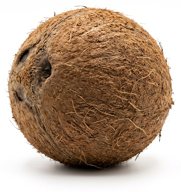
 Fresh coconut
Use equal weight freshly grated or diced. Delivers the identical sweet, milky taste and juicy texture.
 Desiccated coconut
Use 60% of the weight and soak in hot water or milk for 15 minutes before using. The finished dish will be slightly sweeter and less fibrous.
 Dried coconut
Finely grate and use 50% of the weight, soaked in hot water for 20 minutes. Yields a firmer chew and a denser, oilier coconut aroma.


 Chilli powder
Use 10 to 15% of the weight (about 1/4 teaspoon per chilli); imparts dry pungent heat and reddens the dish without the grassy crunch.
 Dried red chilli
Use 1 dried pod per fresh green chilli; snap in half and temper in hot oil for a deeper, toastier heat.


 Ground cumin
Use 70% of the weight; add with ground spices or sauce bases rather than hot oil tempering, where it scorches quickly and turns bitter.
 Black cumin seeds
Use equal weight for oil tempering. Delivers an earthy profile with an additional musky, smoky, and slightly bitter edge.
 Fennel seed
Use 60% of the weight for tempering; offers comparable warm aroma, but leans sweet and liquorice-like rather than savoury and earthy.


 Garlic powder
Use double the weight. Stir into hot oil just before adding wet ingredients; mimics the allium savoury background without the sulphurous edge.
 Garlic paste
Use 2 g for every 0.5 g of asafoetida. Sauté in oil until the raw smell clears; adds moisture and sweet allium depth.


 Lemon
Use the same weight; sharper and less floral, so reduce any extra souring slightly.
 Lemon juice
Use about 30 g juice per lime (2 tbsp), strain pips; add at the end for fresh sourness.
 Dried mango powder
Use 1 g amchoor for about 15 g lime juice; add early with spices; gives dry mango sourness, not citrus aroma.


Similar dishes

- Same: Maharashtrian Green Pea Usal shares coriander, coconut, cumin, asafoetida, lime, and salt with this dish.
- Different: Maharashtrian Green Pea Usal adds green peas, red onion, garlic, vegetable oil, jaggery, and Kashmiri chilli powder, while this dish is an uncooked coconut-coriander chutney with more green chilli and no onion, garlic, peas, oil, or jaggery.

- Same: Sol Karhi also relies on coconut seasoned with green chillies, cumin seeds, asafoetida, and fresh coriander.
- Different: Instead of raw grated coconut blended with lime juice, Sol Karhi is a liquid soup made from coconut milk soured with kokum and tempered in ghee with curry leaves, ginger, and dried red chillies.

- Same: Both dishes share coconut, green chillies, cumin seeds, asafoetida, and fresh coriander leaf.
- Different: Avasara Vada is a cooked patty bound with chickpea flour and sesame seeds and fried in vegetable oil and ghee, whereas this dish is a raw blended condiment made with lime juice and a much larger quantity of coriander leaf.

- Same: Patrani Machli shares a foundational paste of grated coconut blended with green chillies, cumin seeds, and salt.
- Different: Unlike this raw vegetarian chutney, Patrani Machli adds fish fillets steamed in banana leaves along with garlic, sugar, and lemon juice, while omitting coriander leaves and asafoetida.