
Bajra Methi Paratha
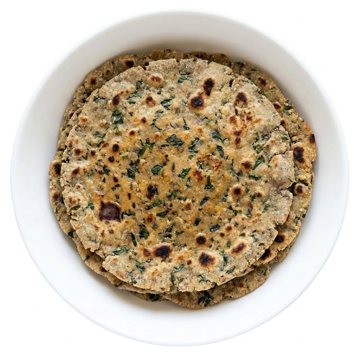
Bajra methi paratha is a soft millet flatbread flecked with fenugreek and chilli. It tastes nutty and savoury, with carom and turmeric warmth and a little ghee richness.
Dry masala for the dough
5 gMixed into the dry flour mixture (step 1)Everything else

Method
- In a wide bowl, mix 80 g pearl millet flour, 80 g chapatti flour, 13.5 g vegetable oil, 15 g greek yoghurt, 2 g finely chopped green bird's-eye chilli, 50 g fresh fenugreek leaf, 3 g sesame seed and salt to taste with the dry masala for the dough.
- Add 59.6 g water in small amounts, kneading until a dough forms; it may start crumbly and become pliable as you work.
- Cover and leave the dough undisturbed for 10 minutes.
- Cut the dough into 5 even pieces.
- Set a dry frying pan on medium heat until hot.
- Flatten one piece with a rolling pin on a surface dusted with extra chapatti flour into an 18 cm (7 in) disc.
- Place the disc in the hot pan and cook for 1 minute.
- Turn the paratha, smear the upper side with melted butter or ghee to taste, and cook for 1 minute.
- Turn again, dab on more melted butter or ghee, and cook for 1 minute.
- Turn a final time and cook for 20 seconds.
- Wrap the finished paratha in cloth or parchment paper to keep hot; cook the remaining pieces the same way.
- Serve alongside chutney or pickle.
Don't have something?


 Millet flour
Use the same weight; similar but with a slightly different millet flavour.
 Rice flour
Use 70% of the weight with 30% atta (chapatti flour); no gluten, crisper, add water slowly.
 Wholemeal flour
Use 80–90% of the weight; gluten makes it heavier, so add 1–2 tbsp water.


- Wholemeal flour
Use the same weight; it is very close, but add water slowly as it can be coarser and absorb more.
 Plain flour
Use the same weight but reduce water by about 10%; the dough is softer and the flavour less nutty.
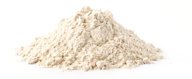 Flour
Use the same weight as a plain-flour swap; reduce water slightly and expect a lighter, less wheaty result.


 Peanut oil
Use 1:1 by weight. Handles high-heat frying identically and introduces a very subtle, pleasant nuttiness.
 Ghee
Use 1:1 by weight. Yields a much richer, authentic aroma and a glossy, heavier mouthfeel.
 Mustard oil
Use 1:1 by weight. Heat until smoking, then cool slightly before cooking to temper its intensely pungent, sharp mustard kick.


 Hung natural yoghurt
Use the same weight and whisk smooth; same thick consistency.
 Full-fat natural yoghurt
Use 1.25 times the weight and strain through muslin for 30 minutes; looser if not strained.
 Hung yogurt
Use the same weight; virtually identical.


- Bird's eye green chilli
Use the same weight; heat and flavour are very close.
 Green chilli
Use 1.5 to 2 times the weight; deseed for less heat. Larger chillies are more watery.
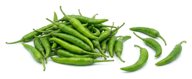 Fresh green chilli
Use 1.5 to 2 times the weight; chop finely and adjust heat by tasting.


 Dried fenugreek leaf
Use 12% of the weight, soak in warm water for 10 minutes, drain, and add. Stronger and less fresh-tasting.
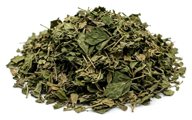 Dried fenugreek leaves
Use 10% of the weight, crush between your palms, and add near the end. Gives the dried methi aroma.
 Spinach
Use the same weight, chopped, and add 2 minutes earlier. Milder, with no bitter methi flavour.


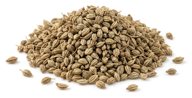
 Carom seeds
Use the same weight; this is the same seed under its other name.
 Carom seed paste
Use the same weight; looser and stronger, so add near the end and taste.
 Cumin seed
Use half the weight, lightly crushed; gives a warm aroma but not carom's thyme-like punch.


 White sesame seed
Use the same weight. Toast lightly before use; white seeds are milder and give a cleaner look.
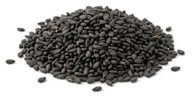 Black sesame seed
Use the same weight. They are stronger and more bitter; toast briefly and use slightly less if the dish is delicate.
 Peanut
Use the same weight, crushed or chopped. It gives crunch but not the same nutty sesame aroma.


 Ground ginger
Use 50% of the weight. Mimics turmeric's warm, earthy, rhizome background, but provides none of the golden-yellow colour.
 Saffron
Steep a tiny pinch (0.1 g per 2 g turmeric) in 2 tbsp warm water; use to match the rich golden hue. Contributes an aristocratic, honeyed floral flavour rather than earthy bitterness.


 Stock
Use the same weight in savoury dishes; it adds body, so adjust salt.
 Milk
Use the same weight only in doughs or creamy dishes; it makes the result richer.
 Coconut water
Use the same weight in curries or rice; it adds sweetness and a faint coconut taste.


- Ghee
Use the same weight. Gives a richer aroma and nuttier taste; if the dish already uses butter for finishing, ghee can make it slightly heavier.
 Butter
Use the same weight. Lower smoke point than ghee, so keep the heat moderate; if unsalted, add a small pinch of salt.
 Vegetable oil or ghee
Use about 90% of the weight. Less rich flavour; good when you want a lighter result.


Similar dishes

- Same: Ajwain Paratha shares chapatti flour, carom seeds, water, vegetable oil and a ghee or butter finish with this dish.
- Different: Ajwain Paratha lacks pearl millet flour, fenugreek leaf, green chilli, turmeric, sesame seeds and yoghurt, and it uses a layered dough method with more chapatti flour instead of a soft mixed millet dough.
- Same: Bajari-Methi na Tepla shares with this dish millet flour, fenugreek, turmeric, chilli, yoghurt, vegetable oil and a flatbread form.
- Different: It uses wholemeal flour and much more soured yoghurt, adds jaggery, ginger paste, red chilli paste, ground coriander and cumin, uses chilli powder instead of fresh green chilli, has far less fenugreek, lacks carom seeds, sesame seeds and ghee, and is shallow-fried in oil rather than ghee-brushed.

- Same: Punjabi Missi Roti shares chapatti flour, yoghurt, carom seed and turmeric with this dish.
- Different: Punjabi Missi Roti adds chickpea flour, onion, dried fenugreek and coriander leaf, and it uses ghee in the dough; it lacks pearl millet flour, fresh fenugreek, green chilli and sesame seed.

- Same: Khamiri Roti is a flatbread like this dish, and both use carom seeds and finish with ghee.
- Different: Khamiri Roti is yeast-leavened with sugar and milk and useschapatti flour with Kashmiri chilli powder, while this dish has pearl millet flour, fenugreek, yoghurt, oil, sesame, turmeric and green chilli and is not yeast-leavened.