
Bajari-Methi na Tepla
A Gujarati flatbread made with nutty millet flour and fresh, slightly bitter fenugreek leaves. Lightly fried on a skillet until speckled with dark spots, it has a soft texture with warm spices and a gentle hint of sweetness.
Dough spices
13 gMixed into the flours in step 1Everything else

Method
- Sift 125 g wheat flour and 150 g millet flour into a wide bowl, then incorporate 21.6 g jaggery, 0.3 g salt, 1 teaspoon chilli paste, and the dough spices.
- Mix in 250 g fenugreek leaves and 27 g vegetable oil, then blend in 4 tablespoon yoghurt gradually until a semi-soft dough forms. Knead lightly on a floured surface until smooth.
- Divide the dough into 12 to 14 uniform portions. Shape each into a ball, press flat between your palms, and roll out into a round roughly 10 cm (4 inches) across.
- Warm a splash of vegetable oil in a heavy frying pan over medium heat. Cook a round for about 2 minutes until it develops dark spots, spooning a little oil around the rim so it cooks freely without sticking. Turn over and fry the second side for about 1 minute, then repeat with the rest of the dough.
Don't have something?


 Whole wheat flour
Use the same weight; it is almost the same, though slightly finer, so add water gradually.
 Plain flour
Use the same weight but reduce water by about 10%; the result is lighter and less nutty.
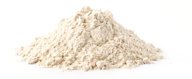 Flour
Use the same weight as plain flour; reduce water slightly and expect less bran and colour.


- Whole wheat flour
Use the same weight; it has gluten so the dough will be stretchier and less crumbly, but the flavour will be less nutty. Add water gradually.
 Rice flour
Use 70% rice flour with 30% whole wheat flour by weight, otherwise rotis will crack; texture is sandier and cooking is similar.
- Plain flour
Use the same weight; it binds well but tastes bland and lacks millet's nuttiness. Add water slowly.


 Coriander seeds
Dry-roast lightly in a pan and grind to a fine powder; use equal weight (1:1). Offers a noticeably fresher, brighter citrus note.
 Ground cumin
Use 50% to 75% of the weight. Lacks the floral, citrusy profile of coriander and turns the gravy heavier, earthier, and darker.
 Garam masala
Use 50% of the weight and stir in near the end of cooking. Adds warmth and depth since it contains ground coriander, but introduces stronger spices like clove and cinnamon.


 Cumin seed
Dry-roast briefly and grind finely; use equal weight (1:1). Imparts an even punchier, nuttier, toasty aroma than pre-ground cumin.
- Ground coriander
Use equal weight (1:1). Adds mild, lemony sweetness rather than cumin's smoky, earthy bite; curries will taste lighter and less savoury.
 Black cumin seeds
Grind finely; use 60% to 75% of the weight. Produces a darker, more complex, smoky-herbal flavour suited to rich gravies.


 Ground ginger
Use 50% of the weight. Mimics turmeric's warm, earthy, rhizome background, but provides none of the golden-yellow colour.
 Saffron
Steep a tiny pinch (0.1 g per 2 g turmeric) in 2 tbsp warm water; use to match the rich golden hue. Contributes an aristocratic, honeyed floral flavour rather than earthy bitterness.


 Red chilli powder
Use 100% of the weight. Provides direct, sharp heat and red colour in equal measure.
 Kashmiri chilli powder
Use 150% to 200% of the weight if matching colour, but add a pinch of black pepper or hot chilli if you need equivalent fiery heat.
 Cayenne pepper
Use 75% to 100% of the weight. Offers a sharp, clean heat with slightly less earthy depth and less crimson colour.


 Fresh ginger
Use equal weight; peel and grate very finely on a microplane or pound to a fine paste in a mortar.
 Ginger
Use equal weight; mince finely and crush with the flat of a knife before frying.
- Ground ginger
Use 20% of the weight; add directly with the dry spice powders, though it yields an earthier, less pungent profile.


- Red chilli powder
Use about 30–40% of the paste weight, mix with water to a paste and add gradually; it is drier and hotter.
 Fresh red chilli
Blend deseeded fresh red chillies to the same weight as the paste; fresher, sharper heat and more moisture.
 Kashmiri red chilli powder
Use the same weight mixed with water; gives good red colour but much less heat, so add cayenne if needed.


 Granulated sugar
Use 80% of the weight. Granulated sugar is sweeter by weight, but gives a cleaner, one-dimensional sweetness that lacks jaggery's caramel, molasses depth.
 Raisin
Soak and blend into a paste; use 100% to 120% of the weight. Adds rich, natural, fruity sweetness with complex, dark molasses notes that thicken the gravy.


 Dried fenugreek leaf
Use 10% of the fresh weight, rub between the palms or soak in warm water for 5 minutes. More hay-like and less fresh-bitter; add near the end.
 Spinach
Use the same weight, chop and wilt. Gives leafy body but none of methi's bitter aroma; adjust salt and add a pinch of sugar.
 Fenugreek shoots
Use the same weight, chop finely and discard any tough stems. Milder and more tender; cook 2–3 minutes less.


 Peanut oil
Use 1:1 by weight. Handles high-heat frying identically and introduces a very subtle, pleasant nuttiness.
 Ghee
Use 1:1 by weight. Yields a much richer, authentic aroma and a glossy, heavier mouthfeel.
 Mustard oil
Use 1:1 by weight. Heat until smoking, then cool slightly before cooking to temper its intensely pungent, sharp mustard kick.


 Sour yoghurt
Use the same weight; stir well. Same tang and consistency.
 Full-fat natural yoghurt
Use the same weight; add 10 ml lemon juice per 200 g and rest 10 minutes. Stir before use.
 Yogurt
Use the same weight; whisk with lemon juice to taste. Add off the heat to prevent splitting.


Similar dishes
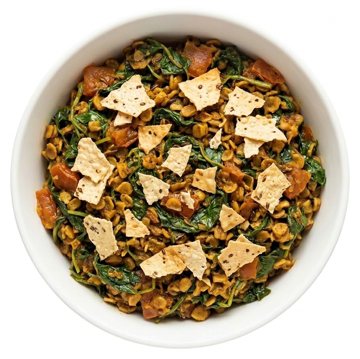
- Same: Both dishes feature bitter fenugreek greens seasoned with vegetable oil, ginger paste, chilli powder, turmeric, and coriander.
- Different: Papad Methi ki Subzi is a stir-fry featuring tomatoes, crisp papad, green chillies, and lemon juice instead of a griddle-cooked millet flatbread prepared with jaggery.
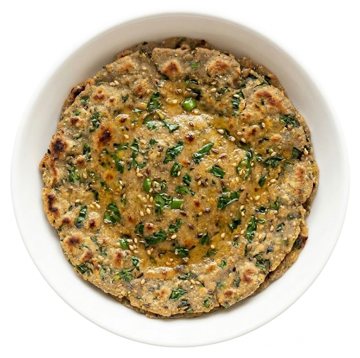
- Same: Bajra Methi Paratha shares with this dish millet flour, fresh fenugreek leaves, yoghurt, vegetable oil, turmeric, and salt as a flatbread base.
- Different: Bajra Methi Paratha adds chapatti flour, green bird's-eye chilli, carom seeds, sesame seeds, water, and a melted ghee or butter finish, while this dish uses wholemeal flour, ground coriander, cumin, chilli powder, ginger paste, red chilli paste, jaggery, and soured natural yoghurt.
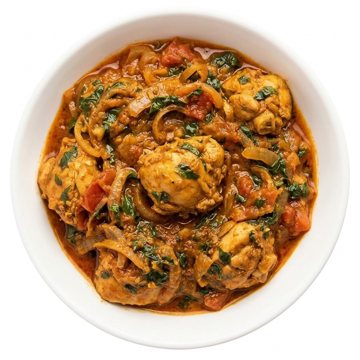
- Same: Methi Murg shares fresh fenugreek leaves, vegetable oil, ginger paste, turmeric, and chilli powder with this dish.
- Different: Unlike this skillet-fried millet flatbread seasoned with cumin and jaggery, Methi Murg is a braised chicken curry made with onion, garlic paste, yogurt, cinnamon, and green chillies.
- Same: Methi Murg also features fresh fenugreek leaves seasoned with vegetable oil, ginger paste, ground turmeric, and chilli powder.
- Different: Instead of being a skillet-cooked millet flatbread made with cumin, coriander, and jaggery, it is a stewed chicken curry cooked with chicken, tomatoes, onions, garlic paste, and fresh green chillies.