
Ajwain Paratha
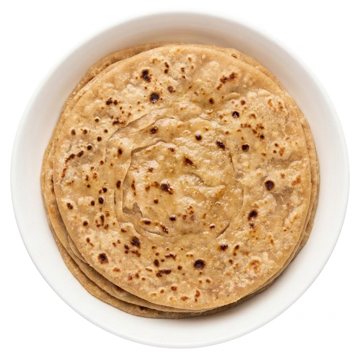
Ajwain paratha is a layered Indian flatbread flavoured with carom seeds. It cooks up crisp and flaky at the edges with a soft interior and a warm, slightly peppery aroma.
Carom seed for the dough
3 gMixed into the dry flour mixture (step 1)Everything else

Method
- Mix 250 g chapatti flour, 40.5 g vegetable oil, 0.3 g salt and the carom seed for the dough (3 g) in a bowl.
- Add 169 g water in small splashes, stirring with a spoon or your fingers, until the mixture starts to come together.
- Knead well until the dough is smooth.
- Cover the bowl tightly and leave the dough to rest for 20 minutes.
- Divide the dough into 8 equal portions and shape each into a ball.
- Roll each ball into a circle about 17 cm across.
- Brush one circle with a little melted butter or ghee and dust with extra chapatti flour.
- Fold the circle in half, brush with more melted butter or ghee and dust with extra flour.
- Fold into a quarter, dust with extra flour and roll out to a circle about 20 cm across.
- Heat a griddle or frying pan over medium heat.
- Cook one paratha for 1 minute, until it puffs and takes light colour, then turn it over.
- Cook for 1 minute more, until small brown spots appear across the surface.
- Drizzle ½ tsp melted butter or ghee over the top, flip the paratha, add a little more butter or ghee to the second side and cook for 5–6 seconds.
- Cover the cooked paratha with a tea towel and keep warm while you cook the rest.
- Repeat with the remaining dough portions.
Don't have something?


 Wholemeal flour
Use the same weight; it is very close, but add water slowly as it can be coarser and absorb more.
 Plain flour
Use the same weight but reduce water by about 10%; the dough is softer and the flavour less nutty.
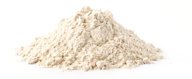 Flour
Use the same weight as a plain-flour swap; reduce water slightly and expect a lighter, less wheaty result.

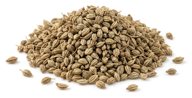
 Carom seeds
Use the same weight; this is the same seed under its other name.
 Carom seed paste
Use the same weight; looser and stronger, so add near the end and taste.
 Cumin seed
Use half the weight, lightly crushed; gives a warm aroma but not carom's thyme-like punch.


 Peanut oil
Use 1:1 by weight. Handles high-heat frying identically and introduces a very subtle, pleasant nuttiness.
 Ghee
Use 1:1 by weight. Yields a much richer, authentic aroma and a glossy, heavier mouthfeel.
 Mustard oil
Use 1:1 by weight. Heat until smoking, then cool slightly before cooking to temper its intensely pungent, sharp mustard kick.


 Stock
Use the same weight in savoury dishes; it adds body, so adjust salt.
 Milk
Use the same weight only in doughs or creamy dishes; it makes the result richer.
 Coconut water
Use the same weight in curries or rice; it adds sweetness and a faint coconut taste.


- Ghee
Use the same weight. Gives a richer aroma and nuttier taste; if the dish already uses butter for finishing, ghee can make it slightly heavier.
 Butter
Use the same weight. Lower smoke point than ghee, so keep the heat moderate; if unsalted, add a small pinch of salt.
 Vegetable oil or ghee
Use about 90% of the weight. Less rich flavour; good when you want a lighter result.


Similar dishes

- Same: Phulkas and this dish both use chapatti flour, salt, and water as the main dough ingredients, with no souring agent.
- Different: Phulkas lacks carom seeds and layering; it uses 26.4 g ghee in the dough and is cooked quickly on a hot griddle until puffed, while this dish uses 40.5 g vegetable oil plus melted butter or ghee and is layered for a crisp, flaky texture.
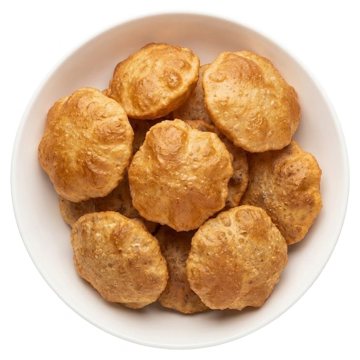
- Same: Puris shares chapatti flour, salt, and vegetable oil with this dish, and neither uses a souring agent.
- Different: Puris lacks carom seeds and melted butter or ghee, lists no water, and is deep-fried until puffed rather than layered and cooked as a flatbread.
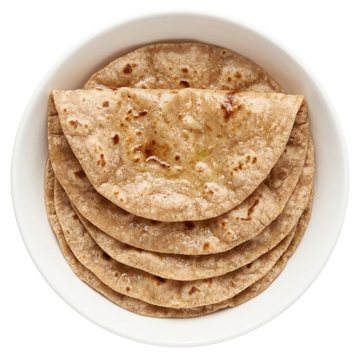
- Same: Chapattis shares chapatti flour, vegetable oil and salt with this dish.
- Different: Chapattis has no carom seeds and no water listed, and it is a thin soft flatbread cooked on a dry griddle and brushed with melted butter, while this dish is layered with carom seeds and finished with melted butter or ghee.
- Same: Plain Buttery Parathas shares chapatti flour, vegetable oil, salt and a layered pan-fried flatbread style with this dish.
- Different: Plain Buttery Parathas has 70 g butter but no carom seeds or listed water, while this dish uses 3 g carom seeds and 169 g water and finishes with optional melted butter or ghee.