
Zaaffran Kay Jheengey
Succulent king prawns marinated in aromatic spices, lime, and rich cream, then swiftly charred under high heat. They are delicately fragrant with cardamom, mace, and saffron.
Marinade spices
7 gMixed into the yogurt marinade (step 2)Everything else

Method
- Arrange 4 peeled prawns (tails intact) in a single layer in a shallow non-reactive dish. Season with salt to taste, then drizzle over the juice of 0.5 lime and 0.167 teaspoon Tabasco sauce. Cover and allow to sit for 10–15 minutes.
- In a mixing bowl, blend 7.5–15 g plain yogurt, 2 tablespoon cream mixture, the remaining juice of 0.5 lime, soaked saffron to taste, salt to taste, and the marinade spices. Coat the rested prawns evenly in this mixture, cover, and place in the refrigerator to marinate overnight.
- The following day, preheat a grill or tandoor to moderately hot. Thread the prawns onto metal skewers and cook for 2–3 minutes, until just opaque and cooked through.
Don't have something?
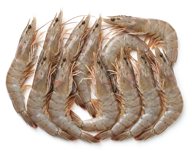
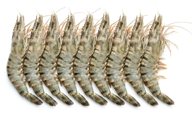 Tiger prawn
Use the same weight; split or halve if large. Same sweet shellfish flavour, similar cooking time.
 Large prawn
Use the same weight; they may need 1 minute less cooking. Slightly less sweet.
 Firm white fish fillet
Use the same weight, cut into chunks and add 2-3 minutes later. Flakes easily and lacks prawn juice.


 Lemon
Use the same weight; sharper and less floral, so reduce any extra souring slightly.
 Lemon juice
Use about 30 g juice per lime (2 tbsp), strain pips; add at the end for fresh sourness.
 Dried mango powder
Use 1 g amchoor for about 15 g lime juice; add early with spices; gives dry mango sourness, not citrus aroma.


 Thick red chilli sauce
Use 50–70% of the weight and add a little white vinegar to match the sharpness; it is sweeter and less fermented.
 White vinegar
For 10 g Tabasco, mix about 1 g red chilli powder with 9 g white vinegar; rest for 10 minutes and strain if needed. Heat and aroma differ.
 Worcestershire sauce
Use the same weight with a pinch of red chilli powder; it is less hot and more savoury, so taste before adding more.


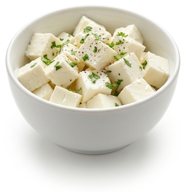
 Cheddar cheese
Use the same weight, grated. Sharper and melts less smoothly; good for baking and toasties.
 Processed cheese
Use the same weight, grated. Milder and melts well; less sharp than cheddar.
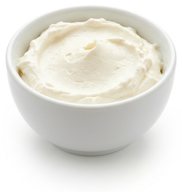 Mascarpone cheese
Use the same weight for the cream cheese role. Richer and softer; do not boil.


 Yogurt
Use equal weight, whisked thoroughly until smooth before adding to hot dishes to prevent curdling.
 Coconut milk
Use equal weight with 1 teaspoon lemon juice mixed in. Provides rich creaminess in curries, but adds a noticeable coconut flavour.
 Single cream
Use 80% of the weight plus a squeeze of lemon juice for acidity. Enriches sauces nicely, though it is richer and less tangy.


 Fresh ginger
Use equal weight; peel and grate very finely on a microplane or pound to a fine paste in a mortar.
 Ginger
Use equal weight; mince finely and crush with the flat of a knife before frying.
 Ground ginger
Use 20% of the weight; add directly with the dry spice powders, though it yields an earthier, less pungent profile.


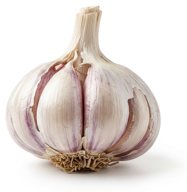
 Garlic
Use equal weight; crush or finely grate to a smooth pulp to replicate the same fresh, pungent moisture in your base gravy.
 Garlic powder
Use 20 to 25% of the weight; mix with a teaspoon of water before adding to oil so it does not burn, noting it lacks the fresh bite.


 Green cardamom seed
Grind freshly extracted inner black seeds finely; use equal weight (1:1). Greatly superior aroma with potent eucalyptus and citrus notes.
 Green cardamom pod
Lightly crack whole pods and simmer them in the gravy; use 150% of the weight of ground cardamom. Fish out the pods before serving.
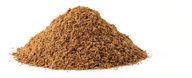 Ground nutmeg
Use 50% of the weight. Delivers warm, sweet aroma, but lacks cardamom's cooling, citrusy top notes.


 Mace blade
Grind dried blades finely in a spice mill; use equal weight (1:1). Provides an identical, freshly aromatic, sweet-musky profile.
- Ground nutmeg
Use 75% to 80% of the weight. Derived from the seed of the same tree, it shares the flavour profile but is heavier, sweeter, and more pungent.
 Ground cinnamon (cassia)
Use 50% of the weight. Adds warming sweetness, but lacks mace's savoury, elegant floral notes.


 Ground turmeric
Use 15% of the saffron's weight. Replicates the bright yellow colour well, but lacks the floral, earthy depth; use sparingly to avoid bitterness.
 Screwpine water or rosewater
Use a few drops combined with a tiny pinch of ground turmeric to mimic both the regal floral aroma and the golden hue.


Similar dishes

- Same: Both recipes marinate prawns in yogurt, ginger paste, and garlic paste before charring them over high heat.
- Different: Ajwaini Jhinga uses chickpea flour, vegetable oil, ajwain seeds, and substantially more yogurt, omitting the saffron, cardamom, mace, cream, and lime of this dish.

- Same: Konju Masala also features prawns seasoned with ginger and garlic pastes.
- Different: Instead of yogurt-marinated prawns charred under high heat, Konju Masala is a simmered curry containing coconut milk, tomatoes, onions, curry leaves, chillies, coriander, and turmeric.

- Same: Kurumulagail Verthatu Chemeen also uses prawns flavored with garlic and ginger.
- Different: Kurumulagail Verthatu Chemeen is dry-fried in vegetable oil with onions, cornstarch, and lemon juice, rather than marinated in yogurt and charred with cardamom and mace.

- Same: Thotikura Tetakaya shares prawns, ginger paste, garlic paste, and salt with this dish.
- Different: Thotikura Tetakaya uses dried prawns, vegetable oil, mustard seeds, onion, turmeric, green chilli, and spinach, while this dish uses king prawns, lime, Tabasco, cream cheese or cheddar, yogurt, cardamom, mace, and saffron and is charred under high heat.