Indian cooking
Indian cooking / Dishes / Thor Muri Ghonto
Thor Muri Ghonto (Banana Stem Cooked with Rice)

Thor Muri Ghonto

Banana Stem Cooked with Rice
Vegetarian●●●Origin West BengalPrep 45 minutes, plus soaking and standing timeCook 35–40 minutes

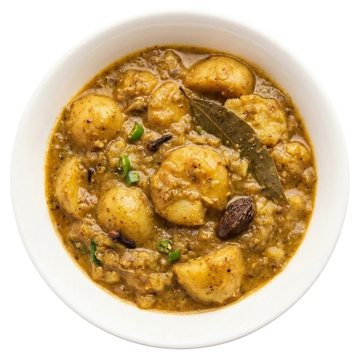
A fragrant, textured Bengali rice preparation featuring crushed banana stem, fried potatoes, and sweet raisins simmered with warm whole and ground spices.

Stem seasoning

0.3 gTossed with the chopped banana stem in step 1
01
~0.3 gpinch
spice
Keep as a powder for curing.

Ground spice mix

9 gMixed with the poppy seeds and water in step 5
01
3.9 g½ tablespoon
spice
02
2.7 g½ tablespoon
spice
03
2.6 g1 teaspoon
spice
Combine the powders together.

Whole spices

6 gBloomed in the hot ghee in step 6
01
2 g4 leaves
spice
02
0.7–0.9 g4–5 pods
spice
03
0.4–0.6 g6–8 cloves
spice
04
2.6 g1 piece
spice
Leave whole for tempering.

Everything else

01
Banana stem · Kela ka tanacut into 6-cm / 2½-inch pieces
500 g25 cm
vegetable
02
200 g
grain
03
4.5 g½ tablespoon
fruit
04
14–27 g1–2 tablespoons
oil/fat
05
Potato · Aloocut into 1-cm / ½-inch dice
600 g2 potatoes
vegetable
06
Gheeplus 2 extra tablespoons (optional)
100 g
oil/fat
07
to taste
salt

Method

  1. Place the 25 cm banana stem into a wide bowl, sprinkle over the stem seasoning and salt to taste, toss thoroughly, and leave to macerate for 1 hour.
  2. Cover 200 g basmati rice with water, let soak for 10 to 15 minutes, then drain completely and lay across a wide tray to dry out.
  3. Place 0.5 tablespoon raisins into a small bowl with 125 ml water and leave to plump.
  4. Warm 13.5–27 g vegetable oil in a deep skillet over medium heat. Fry 600 g potato until nicely browned on all sides, roughly 7 to 8 minutes, then transfer out. Drain the soaked raisins, toss into the hot oil for 2 minutes, and set aside with the potatoes.
  5. Pulverize 1.5 tablespoon poppy seeds using a mortar or grinder, then blend with the ground spice mix and 2 tablespoons water to make a wet paste.
  6. Melt 100 g ghee in a large pot or kadhai over medium heat. Add the whole spices and sizzle for 2 to 3 minutes until fragrant. Add the poppy seed paste, cooking for 1 to 2 minutes until aromatic and slightly darkened, then tip in the drained basmati rice and stir-fry for 10 minutes.
  7. Wring the liquid thoroughly from the marinated banana stem, crush and mash the pieces into shreds by hand, and stir into the rice. Add 500 ml water and salt to taste, put on the lid, and cook over medium heat for 15 minutes until the rice is nearly tender.
  8. Fold in the cooked potatoes and raisins, lower the heat, cover, and steam gently for 3 to 5 minutes until the grains are fully tender. Moisten with up to 2 extra tablespoons ghee if dry, then take off the heat to serve.

Don't have something?

Banana stem
  • Bottle gourd

    Use the same weight; cut into matchsticks. Cooks 5–8 minutes faster and is softer, with less fibre.

  • Cabbage

    Use the same weight, shredded; cooks faster and gives no fibrous crunch.

  • Banana flower

    Use the same weight, chopped; more bitter, so blanch first.

Ground turmeric
  • Ground ginger

    Use 50% of the weight. Mimics turmeric's warm, earthy, rhizome background, but provides none of the golden-yellow colour.

  • Saffron

    Steep a tiny pinch (0.1 g per 2 g turmeric) in 2 tbsp warm water; use to match the rich golden hue. Contributes an aristocratic, honeyed floral flavour rather than earthy bitterness.

Basmati rice
  • Plain boiled rice

    Use 2.5 times the weight if substituting pre-cooked rice. Fold in gently at the end of the recipe; grains will be shorter and less fragrant.

Raisin
  • Dried plum

    Use equal weight, pitted and finely chopped. Lends a deeper, slightly more tart sweetness to curries and rice dishes.

  • Cashew nut

    Use equal weight. Fry lightly in ghee until golden; substitutes the burst of sweetness with a rich, buttery crunch.

  • Jaggery

    Use 30% of the weight, finely grated. Dissolve straight into the sauce to match the intended sweetness, though without the fruity chew.

Vegetable oil
  • Peanut oil

    Use 1:1 by weight. Handles high-heat frying identically and introduces a very subtle, pleasant nuttiness.

  • Ghee

    Use 1:1 by weight. Yields a much richer, authentic aroma and a glossy, heavier mouthfeel.

  • Mustard oil

    Use 1:1 by weight. Heat until smoking, then cool slightly before cooking to temper its intensely pungent, sharp mustard kick.

Potato
  • Eggplant

    Use equal weight. Cut into large chunks; cooks down much faster (10-12 minutes) and softens into the sauce rather than staying starchy and firm.

  • Paneer

    Use 80% of the weight. Cube and add in the last 5-10 minutes of cooking; adds rich dairy protein instead of starchy bulk.

  • Dried chickpea

    Use 45% dry weight. Soak overnight and boil until fully soft before stirring into the sauce to simmer for 10 minutes.

Poppy seed
  • Cashew nut

    Use equal weight. Soak in warm water for 20 minutes and grind to a smooth paste; produces an even creamier, slightly richer gravy than poppy seeds.

  • White sesame seed

    Use equal weight. Soak and grind finely; provides similar thickening and body with a slightly nuttier, faintly bitter edge.

  • Almond

    Use equal weight. Blanch, peel, and grind finely with a splash of water; lends a velvety body and gentle sweetness to gravies.

Ground cumin
  • Cumin seed

    Dry-roast briefly and grind finely; use equal weight (1:1). Imparts an even punchier, nuttier, toasty aroma than pre-ground cumin.

  • Ground coriander

    Use equal weight (1:1). Adds mild, lemony sweetness rather than cumin's smoky, earthy bite; curries will taste lighter and less savoury.

  • Black cumin seeds

    Grind finely; use 60% to 75% of the weight. Produces a darker, more complex, smoky-herbal flavour suited to rich gravies.

Ground coriander
  • Coriander seeds

    Dry-roast lightly in a pan and grind to a fine powder; use equal weight (1:1). Offers a noticeably fresher, brighter citrus note.

  • Ground cumin

    Use 50% to 75% of the weight. Lacks the floral, citrusy profile of coriander and turns the gravy heavier, earthier, and darker.

  • Garam masala

    Use 50% of the weight and stir in near the end of cooking. Adds warmth and depth since it contains ground coriander, but introduces stronger spices like clove and cinnamon.

Chilli powder
  • Red chilli powder

    Use 100% of the weight. Provides direct, sharp heat and red colour in equal measure.

  • Kashmiri chilli powder

    Use 150% to 200% of the weight if matching colour, but add a pinch of black pepper or hot chilli if you need equivalent fiery heat.

  • Cayenne pepper

    Use 75% to 100% of the weight. Offers a sharp, clean heat with slightly less earthy depth and less crimson colour.

Ghee
  • Unsalted butter

    Use 120% of the weight; melt gently over low heat to avoid burning the milk solids, which will yield a softer, creamier richness rather than a nutty aroma.

  • Vegetable oil

    Use 85% of the weight; holds high cooking temperatures without smoking, but the final dish will lack traditional dairy depth.

  • Mustard oil

    Use equal weight; heat to smoking point and cool slightly before cooking, bearing in mind it introduces an assertive, pungent edge.

Bay leaf
  • Cinnamon stick

    Use a 2 cm piece (about 1 g) for every 1 to 2 bay leaves. Fry in whole-spice temperings; provides the cassia-like warmth typical of Indian tejpatta.

  • Ground cinnamon (cassia)

    Use 0.5 g per leaf. Stir into the sauce during simmering; gives the same warm woodiness but darkens the colour slightly.

Green cardamom pod
  • Green cardamom seed

    Use 35 to 40% of the total pod weight; lightly bruise the seeds before frying in oil to release their essential oils.

  • Ground green cardamom

    Use 20 to 25% of the pod weight (about 1 generous pinch per pod); stir in toward the end of cooking so the delicate floral notes do not dissipate.

  • White cardamom pod

    Use 1:1 by pod count or weight; crack gently before using, though it is slightly less intensely floral.

Clove
  • Ground cloves

    Use 1 g ground for 4 g whole (or 1 small pinch per 2 to 3 whole cloves). Add with spice powders; disperses intense warmth quickly, so use with restraint.

  • Allspice berries

    Use 100% of the weight whole in tempering. Imparts a warm, clove-like aromatic profile combined with hints of nutmeg and cinnamon.

  • Black cardamom pod

    Use 1 pod for 3 to 4 cloves in whole tempering. Shares a camphor-like warmth and medicinal depth, though it introduces a distinct smoky undertone.

Cassia bark
  • Ceylon cinnamon

    True cinnamon: thinner, papery quills, milder and sweeter. Use about 1.5 times the weight, and taste.

  • Ground cinnamon (cassia)

    Use about a third of the weight (0.5 g ground for a 2.5 cm piece), stirred in with the ground spices rather than fried whole, since the powder burns quickly.


  • Cassia buds

    Use 60-70% of the weight; stronger and more peppery, so taste before adding more.

Similar dishes

Aloo ki Tehari
Layered Rice and Potatoes
Aloo ki Tehari tastes notably tangier and more herbaceous from the yogurt, lemon juice, and fennel, whereas this dish has a richer, earthier flavor driven by ground cumin, coriander, and a higher proportion of ghee.
  • Same: Both dishes combine basmati rice and fried potatoes cooked in a mix of ghee and vegetable oil with cinnamon, cloves, bay leaf, green cardamom, and turmeric.
  • Different: Aloo ki Tehari is an Awadhi layered rice dish sealed with dough that incorporates yogurt, lemon juice, vegetable stock, fennel, and black cardamom, whereas this dish lacks souring agents and dum sealing.
Aloo ka Qorma
Braised Potatoes
Aloo ka Qorma tastes distinctly tangier and creamier from the yogurt, tomatoes, and lime juice, contrasting with the drier, cumin-led profile of this dish.
  • Same: Both dishes feature potatoes cooked with whole and ground spices including cinnamon, green cardamom, cloves, turmeric, coriander, and chilli powder.
  • Different: Aloo ka Qorma braises the potatoes in a rich gravy of tomatoes, yogurt, poppy seeds, ginger, and garlic, whereas this dish incorporates basmati rice and ground cumin without a sauce base.
Aloo Masala
Curried Spice Potatoes
Aloo Masala is a savoury, gently spiced potato curry bound in a velvety chickpea flour sauce, while this dish is a fragrant, textured rice preparation with sweet raisins and warm whole and ground spices.
  • Same: Aloo Masala shares potato, vegetable oil, ghee, chilli powder, turmeric, cinnamon, clove, green cardamom, poppy seed and salt with this dish.
  • Different: Aloo Masala has no rice, banana stem or raisins, and it uses chickpea flour, mustard seed, urad dal, curry leaf, green chilli and onion, while this dish is a rice-based Bengali preparation with crushed banana stem, fried potato and raisins and uses much more ghee.
Chharra Aloo
'Marbled' Potatoes in Sauce
Chharra Aloo tastes tangy from amchoor and hot from green chilli and black pepper, while this dish is sweeter from raisins and warmer from whole spices.
  • Same: Chharra Aloo shares potato, ghee, bay leaf, ground cumin, ground coriander, chilli powder, turmeric, and salt with this dish.
  • Different: Chharra Aloo uses amchoor, green chilli, black cardamom, ground aniseed, black pepper, and garam masala, and it lacks this dish’s basmati rice, banana stem, raisins, poppy seed, green cardamom, cinnamon, clove, and vegetable oil.