Indian cooking
Indian cooking / Dishes / Thanda Achari Paneer
Thanda Achari Paneer (Cold Paneer in Pickling Spices)

Thanda Achari Paneer

Cold Paneer in Pickling Spices
Vegetarian●●●Origin PunjabPrep 15 minutesCook 15 minutes

Cubes of paneer are cooked in a medley of pickling spices, then folded into cool spiced yogurt. The resulting dish is tangy, aromatic, and refreshingly chilled with a gentle chilli heat.

Yogurt spices

2.1 gWhisked into the yogurt (step 1)
01
1.8 g1 teaspoon
spice
02
~0.3 gpinch
spice
Stir together to combine.

Whole pickling spices

6 gSizzled in the hot oil (step 2)
01
1.6 g½ teaspoon
spice
02
2 g1 teaspoon
spice
Keep whole: the seeds go into the pan first, followed shortly by the dried chillies.

Amchoor

1.3 gCooked with the paneer (step 3)
01
1.3 g½ teaspoon
souring agent
Keep separate to coat the paneer.

Everything else

01
517 g500 ml
dairy
02
40 g3 tablespoons
oil/fat
03
Paneercut into 5-cm / 2-inch cubesMake it: Paneer →
500 g
dairy
04
to taste
salt
05
Green chilli · Hari Mirchslit in half lengthways and de-seeded, to garnish
18–24 g3–4 chillies
vegetable

Method

  1. In a wide bowl, combine 517 g yogurt with the yogurt spices, 1 tsp chilli powder, and salt to taste, stirring until uniform, then set aside.
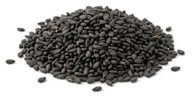
  2. Warm about two-thirds (roughly 30 g) of the 40.5 g mustard oil in a heavy pan over medium heat. Tip in the mustard and fennel seeds from the whole pickling spices along with 0.5 tsp kalonji seeds and fry for about 1 minute until they begin to crackle. Add the dried red chillies from the whole pickling spices and cook for another 2 minutes until they darken slightly.
  3. Add 500 g paneer and the amchoor to the pan. Cook for about 5 minutes, turning gently, until all excess moisture boils away, then season with salt to taste.
  4. Remove the pan from the heat and gently mix in the prepared yogurt. Drizzle the remaining mustard oil over the surface and garnish with 18–24 g green chilli.

Don't have something?

Yogurt
  • Plain yogurt

    Use 100% of the weight. Whisk thoroughly until smooth before stirring into warm gravies to prevent curdling.

  • Single cream

    Use 90% of the weight combined with 10% lemon juice to replicate the lactic tang and rich body in marinades and curries.

Ground coriander
  • Coriander seeds

    Dry-roast lightly in a pan and grind to a fine powder; use equal weight (1:1). Offers a noticeably fresher, brighter citrus note.

  • Ground cumin

    Use 50% to 75% of the weight. Lacks the floral, citrusy profile of coriander and turns the gravy heavier, earthier, and darker.

  • Garam masala

    Use 50% of the weight and stir in near the end of cooking. Adds warmth and depth since it contains ground coriander, but introduces stronger spices like clove and cinnamon.

Ground turmeric
  • Ground ginger

    Use 50% of the weight. Mimics turmeric's warm, earthy, rhizome background, but provides none of the golden-yellow colour.

  • Saffron

    Steep a tiny pinch (0.1 g per 2 g turmeric) in 2 tbsp warm water; use to match the rich golden hue. Contributes an aristocratic, honeyed floral flavour rather than earthy bitterness.

Red chilli powder
  • Chilli powder

    Use equal weight. Stir in directly with the dry spices; delivers comparable heat and red colour.

  • Kashmiri chilli powder

    Use 130% to 150% of the weight. Provides brilliant ruby colour with roughly half the fiery heat.

  • Yellow chilli powder

    Use 75% of the weight. Gives a sharp, clean pungency without tinting the sauce red.

Mustard oil
  • Peanut oil

    Use equal weight. It handles high-heat cooking well, but lacks the signature pungent, nasal heat of mustard oil.

  • Vegetable oil

    Use equal weight. Neutral in flavour, so your curry will lack the characteristic Bengali or North Indian pungent punch.

Mustard seed
  • Black mustard seed

    Use the same weight. The seeds are smaller and hotter; fry in hot oil until they pop, about 20–30 seconds, and reduce the heat if they darken too fast. The dish will be a little sharper.

  • Yellow mustard seeds

    Use the same weight. They are milder and larger; fry a few seconds longer until they pop. The finished dish will have less pungency.

  • Ground mustard seed

    Use 70% of the weight of whole seed, added with the other ground spices rather than fried whole. You lose the popping texture and the heat comes through more evenly.

Nigella seeds
  • Black cumin seeds

    Use equal weight. Imparts an earthy, slightly bitter note in temperings, though it lacks nigella's oniony sharpness.

  • Black sesame seeds

    Use equal weight. Gives a similar speckled appearance and light crunch on breads, but provides a nutty rather than herbaceous, onion-like flavour.

Fennel seed
  • Aniseed

    Use 75% of the weight. Fry in hot oil or ghee; has a sharper, more pronounced liquorice flavour, so use a lighter hand.

  • Ground fennel seed

    Use 60% of the weight. Stir into the sauce with ground masalas; provides identical sweet aniseed flavour without whole seed crunch.

  • Star anise

    Use one point (single carpel) per 1 g of fennel seeds. Simmer in gravies and remove before serving; gives a deeper, woodier liquorice aroma.

Dried red chilli
  • Dried kashmiri chilli

    Use equal weight whole. Fry in hot oil or ghee as tempered spice; gives a richer red colour with slightly milder heat.

  • Red chilli powder

    Use 50% to 70% of the weight. Stir into the oil with ground spices; distributes heat evenly throughout the dish without whole chilli skins.

Paneer
  • Extra-firm tofu

    Use equal weight, pressed well to remove excess moisture and cut into cubes. Pan-fry lightly before adding; absorbs sauces similarly, though it lacks dairy sweetness.

  • Halloumi

    Use equal weight, soaked in warm water for 20 minutes to leach out excess salt. Holds shape during frying, but has a denser, saltier chew.


Amchoor
  • Lemon juice

    Use 15 g (1 tbsp) for every 5 g of amchoor. Stir in at the very end off the heat; adds liquid and fresh citrus aroma rather than dry fruity tang.

  • Tamarind extract

    Use 75% of the weight, dissolved in a splash of warm water. Simmer briefly; darkens the gravy and provides a deeper, caramelised sourness.

Green chilli
  • Chilli powder

    Use 10 to 15% of the weight (about 1/4 teaspoon per chilli); imparts dry pungent heat and reddens the dish without the grassy crunch.

  • Dried red chilli

    Use 1 dried pod per fresh green chilli; snap in half and temper in hot oil for a deeper, toastier heat.

Similar dishes

Achari Paneer Tikka
Grilled (Broiled) Paneer in Pickling Spices
Achari Paneer Tikka is smoky, hot, and sweet-tangy rather than cool, creamy, and lightly tart.
  • Same: Both dishes feature paneer flavored with mustard oil, turmeric, mustard seeds, and fennel seeds.
  • Different: Achari Paneer Tikka is skewered and charred using Gurh Keri, ginger-garlic paste, nigella, and fenugreek seeds instead of being folded into cold yogurt with amchoor, ground coriander, and green chillies.
Paneer Jhaal Frazie
Stir-fried Paneer
Paneer Jhaal Frazie tastes hot, savoury, and sharply citrusy rather than cool, creamy, and pungently spiced like this dish.
  • Same: Paneer Jhaal Frazie shares paneer seasoned with fresh green chillies, dried red chillies, ground coriander, and turmeric.
  • Different: Paneer Jhaal Frazie is a hot stir-fry cooked in vegetable oil with cumin, Kashmiri chilli powder, and lemon juice, lacking this dish's chilled yogurt, mustard oil, mustard seeds, fennel, and amchoor.
Achari Paneer
Paneer in Pickling Spices
Achari Paneer tastes warmer, more savory, and heavier on bitter-spicy pickling notes, lacking the cool and refreshing finish of this dish.
  • Same: Achari Paneer also pairs paneer with yogurt, flavored with mustard seeds, green chillies, and amchoor for tartness.
  • Different: Achari Paneer is cooked hot in vegetable oil using an onion, ginger, and garlic base along with nigella, fenugreek, and cumin seeds, whereas this dish uses mustard oil and is folded into a much larger quantity of cold yogurt without alliums.
Chaaman
Kashmiri Paneer
Chaaman tastes warm and saucy with ginger, cumin, garam masala, and asafoetida, while this dish tastes tangy, chilled, and yogurt-based with pickling spices and chilli heat.
  • Same: Chaaman shares paneer, ground coriander, turmeric, chilli powder, and salt with this dish.
  • Different: Chaaman uses ghee or oil, ginger, cumin, garam masala, asafoetida, and coriander leaf, and it pan-fries the paneer and simmers it in a spiced sauce, while this dish uses yogurt, mustard oil, mustard seed, nigella, fennel, dried red chilli, amchoor, and green chilli and is served chilled.