
Simla Mirch ki Chutney
A sweet, tart, and punchy relish made from crisp bell peppers cooked in a vinegar-based spice paste and preserved in seasoned oil.
Spices for the paste
8 gBlended with the garlic, brown sugar, and vinegar (step 2)Everything else

Method
- Warm 108 g vegetable oil in a pan until hot, then set it aside to cool completely.
- Place the spices for the paste into a blender with 18 g garlic, 4 tablespoon brown sugar, and 240 g white malt vinegar, then purée until completely smooth.
- Heat 81 g vegetable oil in a large skillet over medium-low heat. Add 6 bell peppers and stir-fry for 5 minutes.
- Pour in the blended spice paste and season with salt to taste. Continue cooking over medium-low heat for 10 minutes.
- Stir in the cooled oil from step 1 and take the pan off the heat. Let the chutney cool thoroughly before transferring to sterilised jars.
Don't have something?


 Peanut oil
Use 1:1 by weight. Handles high-heat frying identically and introduces a very subtle, pleasant nuttiness.
 Ghee
Use 1:1 by weight. Yields a much richer, authentic aroma and a glossy, heavier mouthfeel.
 Mustard oil
Use 1:1 by weight. Heat until smoking, then cool slightly before cooking to temper its intensely pungent, sharp mustard kick.



 Garlic paste
Use equal weight. Fry gently in oil or ghee with the ginger; incorporates smoothly into curries without visible minced bits.
 Garlic powder
Use 15% to 20% of the weight (about 1 g for every 5 to 6 g fresh cloves). Whisk into sauces; gives a savoury, toasted garlic flavour without raw pungency.
 Shallot
Use 1.5 times the weight, very finely minced. Sauté until golden; provides savoury allium sweetness, though it lacks garlic's pungent sulphur bite.


 Dried kashmiri chilli
Use equal weight whole. Fry in hot oil or ghee as tempered spice; gives a richer red colour with slightly milder heat.
 Red chilli powder
Use 50% to 70% of the weight. Stir into the oil with ground spices; distributes heat evenly throughout the dish without whole chilli skins.


 Ground cumin
Use 70% of the weight; add with ground spices or sauce bases rather than hot oil tempering, where it scorches quickly and turns bitter.
 Black cumin seeds
Use equal weight for oil tempering. Delivers an earthy profile with an additional musky, smoky, and slightly bitter edge.
 Fennel seed
Use 60% of the weight for tempering; offers comparable warm aroma, but leans sweet and liquorice-like rather than savoury and earthy.


 Black mustard seed
Use the same weight. The seeds are smaller and hotter; fry in hot oil until they pop, about 20–30 seconds, and reduce the heat if they darken too fast. The dish will be a little sharper.
 Yellow mustard seeds
Use the same weight. They are milder and larger; fry a few seconds longer until they pop. The finished dish will have less pungency.
 Ground mustard seed
Use 70% of the weight of whole seed, added with the other ground spices rather than fried whole. You lose the popping texture and the heat comes through more evenly.


 Demerara sugar
Use the same weight; it is drier and slightly less molasses-rich, so taste and add a little more if needed.
 Jaggery
Use the same weight; it is stronger and more mineral, so dissolve it first and reduce any other sweetener.
 Granulated sugar
Use the same weight; it is less moist and less dark. Add 5 g cane molasses per 100 g if you have it.


 White vinegar
Use 90% of the weight. It is sharper and lacks the mild malty grain undertone, so temper with a tiny pinch of sugar if needed.
 Lemon juice
Use 100% of the weight. Best for marinades or quick chutneys; imparts fresh citrus flavour instead of fermented acidity.


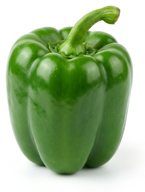
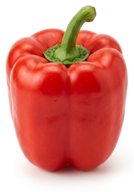 Red bell pepper
Use the same weight; sweet and bright. Cook for the same time.
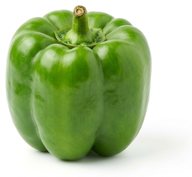 Green bell pepper
Use the same weight; sharper and slightly bitter, so it needs 2–3 minutes more cooking.
 Yellow bell pepper
Use the same weight; sweeter and softer, with the same cooking time.

Similar dishes

- Same: Both dishes feature bell peppers cooked with vegetable oil, cumin seeds, and dried red chillies.
- Different: Kairas is a curry incorporating peanuts, fresh coconut, tamarind, chana dal, and curry leaves, while using much less oil and omitting the garlic, mustard seeds, and malt vinegar found in this dish.
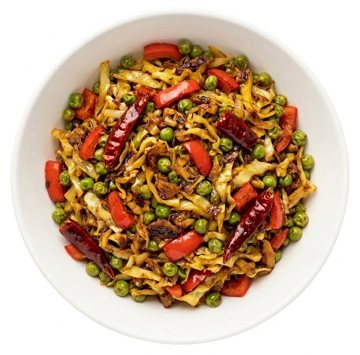
- Same: Gobi-Matar-Mithee Lal Mirch shares the use of bell peppers seasoned with dried red chillies and whole cumin seeds.
- Different: Gobi-Matar-Mithee Lal Mirch is a dry stir-fry made with cabbage, peas, and ground turmeric, omitting the heavy oil, garlic, mustard seeds, and vinegar used to preserve this dish.

- Same: Dum ki Bharwan Mirch shares bell peppers, cumin seed, mustard seed, garlic, and salt with this dish.
- Different: Dum ki Bharwan Mirch stuffs whole peppers with potato and bakes them in a tamarind, peanut, and sesame sauce with onion, ginger, garlic, jaggery, coconut, and a curry-leaf tempering, while this dish cooks peppers in a white malt vinegar and brown sugar spice paste and preserves them in oil; it lacks this dish's vinegar-based chutney style.

- Same: Chintapandu Thokku shares a cooked oil-based pickle style with this dish, using garlic, mustard seed, cumin seed, dried red chilli, and salt.
- Different: Chintapandu Thokku is built on raw tamarind, mint, and green chilli with fenugreek, while this dish uses bell pepper, white malt vinegar, and brown sugar and lacks tamarind and mint.