
Gobi-Matar-Mithee Lal Mirch
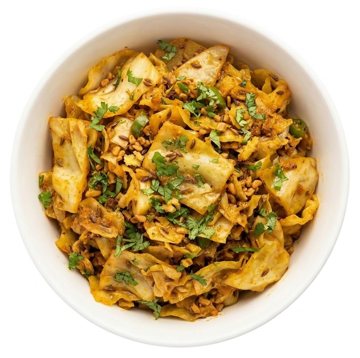
A vibrant dry stir-fry combining tender cabbage, sweet red peppers, and peas, infused with turmeric and scorched dried chillies. It develops a rich, savoury, deeply caramelised flavour as the vegetables brown.
Spices for the oil
9 gFried in hot oil at the start (step 1)Everything else


Method
- Pour 3 tbsp oil into a large wok or wide pan set over medium-high heat and add the spices for the oil. Cook for roughly 3 minutes, stirring occasionally, until the chillies darken and smell smoky.
- Add half of the 1600 g chopped cabbage along with 2 chopped red bell peppers and 120 g peas. Toss well to coat with the spiced oil and cook for roughly 2 minutes until the cabbage begins to soften.
- Tumble in the rest of the cabbage. Fry for 15 to 30 minutes, stirring regularly, until the vegetables reduce by about a third in volume and turn thoroughly browned.
- Stir in 8.7 g salt, take the pan off the heat, and serve warm or cooled to room temperature.
Don't have something?


 Vegetable oil
Use the same weight. It is neutral and works for frying and tempering; the dish will lack corn oil's slight sweetness but otherwise be unchanged.
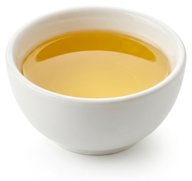 Vegetable or corn oil
Use the same weight. This is the closest all-purpose match and behaves the same in curries and frying.
 Groundnut oil
Use the same weight. It has a stronger nutty flavour and is good for Indian cooking, but it will slightly change the aroma.


 Ground cumin
Use 70% of the weight; add with ground spices or sauce bases rather than hot oil tempering, where it scorches quickly and turns bitter.
 Black cumin seeds
Use equal weight for oil tempering. Delivers an earthy profile with an additional musky, smoky, and slightly bitter edge.
 Fennel seed
Use 60% of the weight for tempering; offers comparable warm aroma, but leans sweet and liquorice-like rather than savoury and earthy.


 Ground ginger
Use 50% of the weight. Mimics turmeric's warm, earthy, rhizome background, but provides none of the golden-yellow colour.
 Saffron
Steep a tiny pinch (0.1 g per 2 g turmeric) in 2 tbsp warm water; use to match the rich golden hue. Contributes an aristocratic, honeyed floral flavour rather than earthy bitterness.


 Dried kashmiri chilli
Use equal weight whole. Fry in hot oil or ghee as tempered spice; gives a richer red colour with slightly milder heat.
 Red chilli powder
Use 50% to 70% of the weight. Stir into the oil with ground spices; distributes heat evenly throughout the dish without whole chilli skins.


 Sweetheart cabbage
Use 100% of the weight. Finely shred; cooks slightly faster than firm white cabbage and gives a sweeter, tender crunch in thorans and sabzis.
- Savoy cabbage
Use 100% of the weight. Shred finely; holds its shape well when stir-fried and carries spiced oil effectively.
 Brussels sprouts
Use 90% of the weight. Finely shred or halve; offers an identical brassica crunch and slight peppery bite.


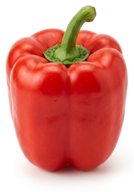
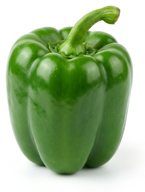 Bell pepper
Use the same weight; any colour works. Slightly less sweet if green.
 Yellow bell pepper
Use the same weight; similar sweetness and texture, only colour changes.
 Tomato
Use the same weight; it is softer and more acidic, so reduce other souring agents. Good for body, not crunch.



Similar dishes

- Same: Maharashtrian Kobichi Bhaji and this dish are both dry cabbage stir-fries with cumin, turmeric, dried red chilli, oil, peas, and salt.
- Different: Maharashtrian Kobichi Bhaji adds asafoetida, curry leaf, and coriander, uses vegetable oil and white cabbage with green peas, and lacks this dish’s red bell pepper, corn oil, and much larger cabbage and pea quantities.
- Same: Karamkalla shares cabbage, cumin seed, turmeric, salt, oil, and a dry stir-fry method with this dish.
- Different: Karamkalla adds asafoetida, fenugreek, fresh and ground ginger, green chilli, chilli powder, sugar, ground coriander, and coriander garnish, and it lacks this dish's red bell peppers, peas, and dried red chillies; it also uses vegetable oil with more oil per gram of cabbage.

- Same: Muttokos Thoran and this dish are both dry stir-fried cabbage dishes tempered with cumin seed and dried red chilli.
- Different: Muttokos Thoran uses coconut oil, mustard seed, urad dal, curry leaves, shallot, green chilli, and fresh coconut, while this dish uses corn oil, turmeric, red bell pepper, and peas and lacks coconut, lentils, and curry leaves.

- Same: Simla Mirch ki Chutney also uses bell peppers seasoned with cumin seeds and dried red chillies.
- Different: Unlike this dry stir-fry of cabbage and peas with turmeric, it is prepared as an oil-preserved condiment made with white malt vinegar, garlic, and mustard seeds.