
Rava Laddu
These traditional Indian confections blend toasted semolina, coconut, and fried nuts bound by a fragrant saffron syrup. They have a pleasant, gently textured bite with a rich, buttery sweetness.
Saffron
0.3 gFolded into the syrup along with the semolina mixture and nuts (step 4)Everything else
Method
- Melt 125 g ghee in a skillet set over medium heat. Add 280 g semolina and fry gently for roughly 2 minutes, then transfer it out of the pan. Tip 120 g flour into the skillet and toast lightly for around 2 minutes.
- Place the toasted semolina, toasted flour, and 120 g dried coconut into a spice grinder or mortar, then pulse or pound briefly until finely blended.
- Combine 600 g granulated sugar with 500 ml water in a large, heavy-based pan. Stir over low heat until the sugar dissolves completely, then turn up the heat to a boil. Skim any impurities from the surface and cook until the syrup reaches a two-thread consistency.
- Stir 2.5 g lime juice into the syrup, then add the ground semolina mixture, the saffron, 50 g fried raisins, and 50 g fried cashews. Cook over medium heat, stirring continuously, for 4–5 minutes until notably thick.
- Take the pan off the heat and let the mixture cool just enough to handle safely. While still warm, pinch off small portions and roll them into walnut-sized balls.
Don't have something?


 Unsalted butter
Use 120% of the weight; melt gently over low heat to avoid burning the milk solids, which will yield a softer, creamier richness rather than a nutty aroma.
 Vegetable oil
Use 85% of the weight; holds high cooking temperatures without smoking, but the final dish will lack traditional dairy depth.
 Mustard oil
Use equal weight; heat to smoking point and cool slightly before cooking, bearing in mind it introduces an assertive, pungent edge.


 Coarse semolina
Use the same weight. Soak 10 minutes longer and cook 2–3 minutes more; texture will be more granular.
 Fine semolina
Use the same weight. It cooks faster, so reduce cooking time by 2 minutes and stir well to avoid lumps.
 Cream of wheat
Use the same weight. It behaves like fine semolina; cook 1–2 minutes less and add liquid gradually.


 Wholemeal flour
Use the same weight; it is very close, but add water slowly as it can be coarser and absorb more.
 Plain flour
Use the same weight but reduce water by about 10%; the dough is softer and the flavour less nutty.
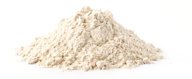 Flour
Use the same weight as a plain-flour swap; reduce water slightly and expect a lighter, less wheaty result.


 Desiccated coconut
Use equal weight; texture is much finer, so roast very cautiously over low heat if the recipe requires browning for spice pastes.
 Fresh coconut
Finely slice or grate and use 140% of the weight to offset the extra water, or dry-roast in a bare pan until moisture evaporates completely.


 Jaggery
Use equal weight; grate or shave finely so it dissolves rapidly, giving a warm, caramel-like sweetness and slightly darker sauce.


 Lemon juice
Use equal volume or weight; slightly sweeter and less pungent, but otherwise an imperceptible swap.
 Dried mango powder
Use 25% of the weight; imparts dry, fruity sourness, best stirred in right at the end of cooking.
 Tamarind extract
Use 50% of the weight; delivers pleasant fruity tang but turns pale sauces considerably darker.


 Ground turmeric
Use 15% of the saffron's weight. Replicates the bright yellow colour well, but lacks the floral, earthy depth; use sparingly to avoid bitterness.
 Screwpine water or rosewater
Use a few drops combined with a tiny pinch of ground turmeric to mimic both the regal floral aroma and the golden hue.


 Sultana
Use the same weight; if the recipe already says raisin or sultana, this is the direct swap. Sweeter and softer.
 Raisin
Use the same weight; larger and less sweet. Chop if the recipe needs even distribution.
 Dried apricot
Use the same weight, chopped small. Tarter and firmer; soak 10 minutes in hot water if very dry.


 Almond
Use 100% of the weight. Soak in boiling water and slip off skins before frying or grinding; gives a lighter, slightly less sweet richness to curries.
 Poppy seed
Use 60% of the weight for gravies. Soak in warm water and grind into a fine paste to thicken royal kormas without adding heavy oiliness.
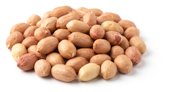 Shelled peanut
Use 100% of the weight. Roast, skin, and grind; creates a thicker, earthier texture typical of Maharashtrian and western Indian curries.


Similar dishes

- Same: Kesari Bhaath is also a semolina-based sweet made with ghee, granulated sugar, and saffron.
- Different: Kesari Bhaath is cooked into a soft, spoonable pudding with milk and twice as much ghee, flavored with green cardamom instead of using dried coconut and lime juice to bind firm balls.

- Same: Maharashtrian Sheera shares semolina, saffron, cashews, raisins, and a sweetened fat-rich base with this dish.
- Different: Maharashtrian Sheera is a soft cooked pudding using butter and green cardamom, while this dish is a ball confection with ghee, coconut, whole wheat flour, lime juice, and much more sugar.

- Same: Suji Halwa and this dish both use semolina, ghee, sugar, raisins, and nuts as core sweet ingredients.
- Different: Suji Halwa adds clotted cream and green cardamom and is cooked as a soft pudding, while this dish uses coconut, whole wheat flour, saffron, and lime juice and is shaped into balls.
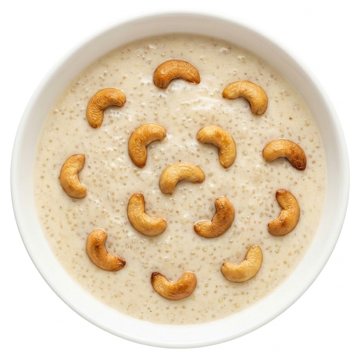
- Same: Rawa Payasam shares semolina, ghee, sugar, and cashew nuts with this dish, and both are Indian sweets built on toasted semolina.
- Different: Rawa Payasam is cooked with milk and green cardamom into a pudding, while this dish uses coconut, whole wheat flour, saffron, lime juice, and raisins and is shaped into syrup-bound balls; it also uses far less ghee and semolina and more milk than this dish.