
Rajasthani Boti Kebab
Tender skewered chunks of lamb infused with a double marinade of aromatics, tangy yoghurt, mustard oil, and warming spices, then roasted until juicy and lightly charred.
First marinade aromatics
16 gStirred into the initial marinade base (step 1)Second marinade spices and aromatics
25 gWhisked into the yoghurt marinade (step 2)Everything else

Method
- In a wide bowl, blend the first marinade aromatics with 4 teaspoon vinegar, 18 g vegetable oil, and salt to taste. Add 1000 g lamb chunks and turn them over until evenly coated. Cover and transfer to the refrigerator for 2 hours.
- Whisk 250 g yoghurt in another bowl, then incorporate the second marinade spices and aromatics, 30.6 g lemon juice, 40.5 g mustard oil, and 0.3 g salt.
- Remove the lamb from the first marinade, scraping away excess liquid from each piece, and submerge the meat into the spiced yoghurt mixture. Cover and chill for an additional 3 hours.
- Heat an oven to 190°C (375°F) or prepare a medium-hot charcoal grill. Thread the meat onto metal skewers and roast for about 15 minutes until fully cooked through.
- Take the skewers off the heat and briefly let any pooled juices drip away. Lay them on a tray, brush with 28.2 g melted butter, and roast for a final 3 to 4 minutes before serving.
Don't have something?


 Boneless lamb shoulder
Use same weight; shoulder is well marbled and best for slow curry, with similar cooking time.
 Boneless leg of lamb
Use same weight; leg is leaner, so simmer 10 minutes less to avoid dryness.
 Boneless lamb fillet
Use same weight but simmer 15–20 minutes less; fillet is tender and cooks quickly.


 Unsalted butter
Use 100% of the weight. If the original recipe relies on salted table butter, add a pinch of salt to balance.
 Ghee
Use 80% to 85% of the weight. Ghee is pure butterfat with moisture removed; it yields a deeper, nuttier flavour and handles high heat better.
 Vegetable oil
Use 80% of the weight for frying or tempering. The dish loses sweet dairy richness but remains glossy and light.


 Green papaya paste
Use the same weight; blend peeled green papaya. Very close, but may be slightly weaker as a tenderiser.
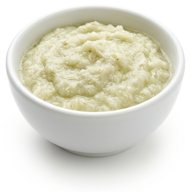 Unripe papaya paste
Use the same weight; blend peeled unripe papaya. Similar, with a little more sweetness.
 Raw papaya
Use the same weight; peel, deseed and blend to a paste. Fresher and stronger than a stale paste.


 Fresh ginger
Use equal weight; peel and grate very finely on a microplane or pound to a fine paste in a mortar.
 Ginger
Use equal weight; mince finely and crush with the flat of a knife before frying.
 Ground ginger
Use 20% of the weight; add directly with the dry spice powders, though it yields an earthier, less pungent profile.


 Garlic
Use equal weight; crush or finely grate to a smooth pulp to replicate the same fresh, pungent moisture in your base gravy.
 Garlic powder
Use 20 to 25% of the weight; mix with a teaspoon of water before adding to oil so it does not burn, noting it lacks the fresh bite.


 Red chilli powder
Use about 30–40% of the paste weight, mix with water to a paste and add gradually; it is drier and hotter.
 Fresh red chilli
Blend deseeded fresh red chillies to the same weight as the paste; fresher, sharper heat and more moisture.
 Kashmiri red chilli powder
Use the same weight mixed with water; gives good red colour but much less heat, so add cayenne if needed.


 White vinegar
Use 100% of the weight directly. It delivers an identical sharp, clean acidity to curries and marinades.
 Lemon juice
Use 100% of the weight. Add towards the end of cooking off the heat; introduces a fruity citrus aroma rather than pungent acetic sharpness.
 Tamarind extract
Use 75% of the weight diluted in a splash of warm water. Gives a rich, fruity sourness and darkens the gravy.


 Peanut oil
Use 1:1 by weight. Handles high-heat frying identically and introduces a very subtle, pleasant nuttiness.
- Ghee
Use 1:1 by weight. Yields a much richer, authentic aroma and a glossy, heavier mouthfeel.
 Mustard oil
Use 1:1 by weight. Heat until smoking, then cool slightly before cooking to temper its intensely pungent, sharp mustard kick.


 Hung natural yoghurt
Use the same weight. The names are used interchangeably; check seasoning.
 Greek yoghurt
Use the same weight. It is thick enough for marinades and raitas, with a slightly sharper taste.
 Full-fat natural yoghurt
Use about 175% of the weight and strain through muslin for 3–4 hours to get the same thick weight.


 Ground cumin
Use 50% of the weight mixed with equal parts ground coriander and a pinch of ground cinnamon, ground cloves, and ground green cardamom. Sprinkle near the end for a warming finish.
 Lentil stew spice mix
Use 75% of the weight. Simmer briefly in the gravy; imparts roasted warmth and complexity, though it adds a slight tang and earthy lentil undertone.


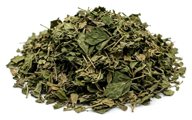
 Ground fenugreek
Use 20% of the weight; stir in during tempering rather than crushing over at the end, and be cautious as it turns bitter easily.
 Fenugreek seeds
Crush lightly and fry in the initial oil tempering, using 25% of the weight; provides bitter notes but lacks leafy aroma.


 Lime juice
Use equal volume or weight; delivers almost identical sharp acidity with a faintly more aromatic, bitter-edged profile.
 Dried mango powder
Use 25% of the weight (about 1 g amchoor for 4 g juice); provides clean fruity tartness without thinning the sauce.
- White vinegar
Use 75% of the volume; gives direct sourness without any citrus floral fragrance.


- Peanut oil
Use equal weight. It handles high-heat cooking well, but lacks the signature pungent, nasal heat of mustard oil.
- Vegetable oil
Use equal weight. Neutral in flavour, so your curry will lack the characteristic Bengali or North Indian pungent punch.
Similar dishes

- Same: Both recipes use twice-marinated lamb flavored with ginger, garlic, garam masala, vinegar, and butter.
- Different: Moti Kebab is pan-fried using plain yogurt and raw papaya tenderizer, whereas this dish is roasted on skewers and includes mustard oil, lemon juice, and kasuri methi.
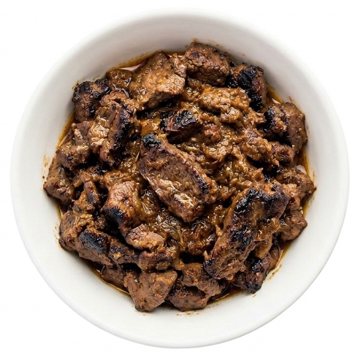
- Same: Like this dish, Maans ke Soole skewers and grills marinated lamb seasoned with ginger, garlic, garam masala, lemon juice, vinegar, and butter.
- Different: Maans ke Soole uses thinly beaten lamb fillets, boiled onion paste, ghee, and clove-scented charcoal smoke, but omits the mustard oil and kasuri methi used in this dish.

- Same: Tatti Gosht and this dish are both boneless lamb kebabs marinated with raw papaya paste, ginger paste, garlic paste, vegetable oil, salt, and lemon juice.
- Different: Tatti Gosht uses green chilli paste, black pepper, coriander, and onion, while this dish uses hung yoghurt, mustard oil, butter, vinegar, red chilli paste, garam masala, and kasuri methi; it grills thin fillets rather than roasting skewered chunks.

- Same: Both dishes feature skewered, charred lamb seasoned with ginger, garlic paste, garam masala, butter, and vegetable oil.
- Different: Kashmiri Seekh Kebab uses minced lamb shaped with fresh onion and coriander, whereas this dish uses whole lamb chunks marinated in mustard oil, kasuri methi, vinegar, and lemon juice.