Indian cooking
Indian cooking / Dishes / Ajwaini Arabi
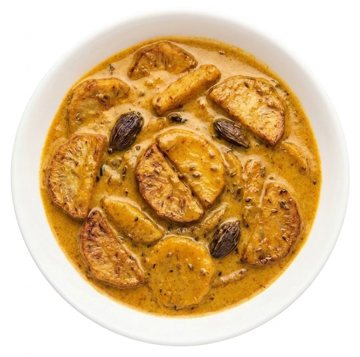
Ajwaini Arabi (Ajwain-flavoured Colocasia (Taro Root))

Ajwaini Arabi

Ajwain-flavoured Colocasia (Taro Root)
Vegetarian●●●Origin Banaras/AwadhPrep 20 minutes, plus cooling timeCook 10 minutes

Crispy pan-fried colocasia coated in ghee infused with aromatic ajwain and asafoetida. It has a tender, creamy interior enclosed in a golden crust with a warm, peppery punch.

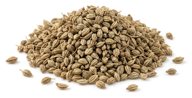
Tempering spices

1.3 gFried in the reserved ghee (step 3)
01
~0.3 gpinch
spice
02
1 g½ teaspoon
spice
Keep whole: they go into the hot ghee together.

Chilli seasoning

1.3 gStirred off the heat into the hot spiced ghee (step 4)
01
1.3 g½ teaspoon
spice
Stir into the warm ghee off the heat.

Everything else

01
250 g
vegetable
02
200 g
oil/fat
03
to taste
salt

Method

  1. Boil 250 g colocasia in a pot of water for 10 to 15 minutes until tender. Drain thoroughly and leave until cool enough to handle, then strip away the skins, halve each piece lengthwise, and gently press them flat between your palms.
  2. Set aside 1 tablespoon of the 200 g ghee. Warm the remaining ghee in a skillet over medium heat, then fry the flattened colocasia for several minutes until crisped and deep golden brown. Lift out with a slotted spoon onto paper towels to drain, then return the colocasia to the skillet.
  3. Warm the reserved ghee in a separate small pan over medium heat, add the tempering spices, and fry for 1 minute.
  4. Take the pan off the heat, stir in the chilli seasoning along with salt to taste, then drizzle this seasoned ghee over the colocasia. Cover the skillet and let it steam over minimal heat for 5 minutes.

Don't have something?

Colocasia
  • Potato

    Use the same weight. Peel, cut into similar pieces and parboil for 5 minutes before adding; it cooks faster than colocasia, so add later and simmer 10–15 minutes. The dish will be less sticky and nutty.

  • Sweet potato

    Use the same weight. Peel and cut into chunks; it softens faster and turns sweeter, so reduce cooking time by about 5 minutes and adjust sugar or tamarind if the recipe has any.

  • Indian yam

    Use the same weight. Peel, cut into pieces and cook 5–10 minutes longer than colocasia; it holds its shape well but is less slippery.

Ghee
  • Unsalted butter

    Use 120% of the weight; melt gently over low heat to avoid burning the milk solids, which will yield a softer, creamier richness rather than a nutty aroma.


  • Vegetable oil

    Use 85% of the weight; holds high cooking temperatures without smoking, but the final dish will lack traditional dairy depth.

  • Mustard oil

    Use equal weight; heat to smoking point and cool slightly before cooking, bearing in mind it introduces an assertive, pungent edge.

Asafoetida
  • Garlic powder

    Use double the weight. Stir into hot oil just before adding wet ingredients; mimics the allium savoury background without the sulphurous edge.

  • Garlic paste

    Use 2 g for every 0.5 g of asafoetida. Sauté in oil until the raw smell clears; adds moisture and sweet allium depth.

Ajwain seed
  • Carom seed

    Use the same weight; this is the same spice.

  • Cumin seed

    Use 75% of the weight, toasted; different, less medicinal flavour.

  • Fennel seed

    Use 50% of the weight, crushed; sweeter and milder.

Chilli powder
  • Red chilli powder

    Use 100% of the weight. Provides direct, sharp heat and red colour in equal measure.

  • Kashmiri chilli powder

    Use 150% to 200% of the weight if matching colour, but add a pinch of black pepper or hot chilli if you need equivalent fiery heat.

  • Cayenne pepper

    Use 75% to 100% of the weight. Offers a sharp, clean heat with slightly less earthy depth and less crimson colour.

Similar dishes

Arabi ka Raita
Colocasia (Taro Root) Raita
Arabi ka Raita tastes cool, tangy, and smoky rather than rich, buttery, and sharply herbal like this dish.
  • Same: Arabi ka Raita also uses pan-fried colocasia seasoned with chilli powder and salt.
  • Different: Arabi ka Raita folds the colocasia into plain yogurt with cumin seeds and coriander leaf, using vegetable oil instead of ghee and omitting ajwain and asafoetida.
Masala Arabi
Spicy Colocasia (Taro Root)
Masala Arabi is tangy, saucy, and layered with fresh ginger-green chilli heat, whereas this dish is dry, crispy, and focused primarily on peppery ajwain and red chilli.
  • Same: Masala Arabi also features colocasia cooked in ghee and seasoned with ajwain seeds and asafoetida.
  • Different: Instead of crisp-frying in a large amount of ghee with only dry chilli powder, it uses far less fat to braise the root in a spiced yogurt sauce with ginger, green chillies, turmeric, ground coriander, and fresh coriander leaves.
Rajasthani Arabi
Colocasia (Taro Root) in Yoghurt Sauce
It tastes tangier and more intricately spiced than this dish, which has a simpler, dry, and ghee-rich peppery flavor.
  • Same: Rajasthani Arabi also features fried colocasia seasoned with ajwain seeds and chilli powder.
  • Different: Unlike this dry pan-fried dish cooked in ghee with asafoetida, Rajasthani Arabi is simmered in a yogurt gravy with vegetable oil, ginger-garlic paste, turmeric, cloves, black cardamom, and garam masala.
Arabi ke Kebab
Colacasia (Taro Root) Kebabs
Arabi ke Kebab has an oniony, herbaceous, and warm spice flavor rather than the rich, buttery ghee and peppery ajwain profile of this dish.
  • Same: Both dishes feature colocasia as the main ingredient, seasoned simply with chilli powder, asafoetida, and salt.
  • Different: Arabi ke Kebab mashes the taro with chickpea flour, onions, ginger, coriander leaves, and garam masala into patties fried in vegetable oil, omitting the ajwain seeds and ghee used in this pan-fried dish.