Indian cooking
Indian cooking / Dishes / Pesarattu
Pesarattu (Spicy Lentil Pancakes)

Pesarattu

Spicy Lentil Pancakes
Vegetarian●●●Origin Andhra PradeshPrep 20 minutes, plus soaking timeCook 15 minutes

Crisp, savoury South Indian pancakes made from ground soaked moong dal, griddled thin and filled with spiced onions and fresh coriander.

Spices for the onion topping

1.3 gTossed with the sliced onion and coriander (step 3)
01
1.3 g½ teaspoon
spice
Already ground and ready to mix.

Everything else

01
250 g
legume
02
2.5 g1 teaspoon
aromatic
03
24 g4 chillies
vegetable
04
300 g2 onions
vegetable
05
~50 g½ bunch
herb
06
228 g250 ml
oil/fat
07
to taste
salt

Method

  1. Cover 250 g moong dal with water and leave to soak for 2 to 3 hours.
  2. Drain the dal, reserving 250 ml of the soaking liquid. Transfer the dal to a blender along with 2.5 g ginger, 24 g green chilli, and salt to taste, then purée until smooth. Pour into a bowl and stir in enough of the reserved liquid to create a thick batter.
  3. In a separate bowl, toss 300 g onion and 50 g coriander leaf with the spices for the onion topping, then set aside.
  4. Set a frying pan over medium heat and add a teaspoon of the 228 g vegetable oil. Ladle a portion of batter into the centre and quickly spread it outwards into a thin round.
  5. Drizzle half a teaspoon of oil around the edges and cook for about 2 minutes, until the bottom turns golden brown.
  6. Scatter some of the spiced onion mixture over the pancake. Drizzle a little more oil over the top and cook for another 1 minute, until the edges are nicely crisped.
  7. Fold the pancake in half and transfer to a warm, covered dish. Repeat the frying and filling process with the remaining batter, and serve hot accompanied by sambhar and garam masala.

Don't have something?

Moong dal
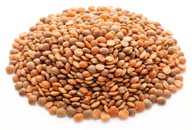
  • Red lentils

    Use equal weight. It cooks in about the same time and breaks down to a similar soft, creamy consistency, though the colour will be slightly pinkish-orange.

  • Pigeon peas

    Use equal weight. Requires longer soaking and cooking time, and produces a slightly earthier, denser dal.

Ginger
  • Fresh ginger

    Use equal weight; scrape off the skin and grate or finely julienne according to the recipe.

  • Ginger paste

    Use equal weight; stir straight into the sizzling aromatics, taking care as the extra moisture may spit.

  • Ground ginger

    Use 15 to 20% of the weight; add alongside ground spices, noting it imparts warm, dry heat rather than zesty freshness.

Green chilli
  • Chilli powder

    Use 10 to 15% of the weight (about 1/4 teaspoon per chilli); imparts dry pungent heat and reddens the dish without the grassy crunch.

  • Dried red chilli

    Use 1 dried pod per fresh green chilli; snap in half and temper in hot oil for a deeper, toastier heat.

Onion
  • Shallot

    Use equal weight, finely sliced. Shallots soften and brown faster, giving a slightly sweeter and more delicate base to curries.

  • Cabbage

    Use 80% of the weight, finely shredded and browned slowly with a pinch of asafoetida. Replicates the bulk and natural sweetness in gravies without allium.


Ground cumin
  • Cumin seed

    Dry-roast briefly and grind finely; use equal weight (1:1). Imparts an even punchier, nuttier, toasty aroma than pre-ground cumin.

  • Ground coriander

    Use equal weight (1:1). Adds mild, lemony sweetness rather than cumin's smoky, earthy bite; curries will taste lighter and less savoury.

  • Black cumin seeds

    Grind finely; use 60% to 75% of the weight. Produces a darker, more complex, smoky-herbal flavour suited to rich gravies.

Coriander leaf
  • Coriander

    Use equal weight finely chopped; this is the exact same fresh herb.

  • Mint

    Use half the weight finely chopped; provides vibrant green freshness, though the flavour profile becomes noticeably cooler and sharper.

Vegetable oil
  • Peanut oil

    Use 1:1 by weight. Handles high-heat frying identically and introduces a very subtle, pleasant nuttiness.

  • Ghee

    Use 1:1 by weight. Yields a much richer, authentic aroma and a glossy, heavier mouthfeel.

  • Mustard oil

    Use 1:1 by weight. Heat until smoking, then cool slightly before cooking to temper its intensely pungent, sharp mustard kick.

Sambhar
  • South Indian lentil soup

    Use the same volume. Rasam is thinner and more peppery; simmer 5 minutes to thicken slightly and adjust salt.

  • Cooked pigeon peas

    Use the same weight, loosened with tamarind extract and 1 tsp sambhar masala. Simmer 10 minutes; it will be thicker and less sour.

  • Lentil

    Use the same weight of cooked lentil, add tamarind and sambhar masala, and simmer 10 minutes. Texture will be plainer.

Pickle
  • Mango pickle

    Use the same weight, chopped small. It is sharper and saltier, so taste before adding extra salt.

  • Mixed pickle

    Use the same weight, drained and chopped. It adds a mixed vegetable crunch and more heat.

  • Chutney

    Use the same weight as a softer substitute; reduce added sugar or salt because chutney is usually sweeter.

Similar dishes

Tali Mangori
Fried Moong Dal Dumplings
Tali Mangori is tangy from tomato and rich from deep-frying with soft dumplings, while this dish is crisp and sharper with green chilli and onion.
  • Same: Tali Mangori and this dish both use ground moong dal as the main ingredient, with ginger, coriander leaf, salt and oil.
  • Different: Tali Mangori uses mustard oil and a ginger-tomato sauce and is deep-fried then simmered, while this dish is griddled thin and filled with onion, green chilli and cumin and served with sambhar and pickle.
Payatham Parappu Dosa
Green Lentil Pancakes
It has a mildly sour, fermented taste with bitter and herbal notes from fenugreek and curry leaves, rather than the heavily spiced, onion-forward punch of this dish.
  • Same: Payatham Parappu Dosa is also a South Indian pancake griddled in vegetable oil using a moong dal batter seasoned with ginger, green chilli, cumin, and coriander.
  • Different: Payatham Parappu Dosa uses a fermented rice and dal batter flavoured with fenugreek seeds and curry leaves, omitting the onion filling, garam masala, and sambhar used in this dish.
Dibba Roti
Thick Pancakes
Dibba Roti has a milder, simpler cumin flavour without the sharp heat of the fresh chillies, ginger, and spiced onion filling in this dish.
  • Same: Both are savoury lentil pancakes griddled in vegetable oil and seasoned with ground cumin and salt.
  • Different: Dibba Roti is cooked thick using urad dal instead of moong dal, and it omits this dish's ginger, green chillies, onions, coriander, and garam masala.
Dal ki Kaleji
Fried Moong Dal Cubes In Sauce
Dal ki Kaleji is richer, tangier, and saucier due to the ghee, yogurt, and tomatoes, whereas this dish is crisp, dry, and lighter with a fresh onion and coriander filling.
  • Same: Both dishes use soaked and ground moong dal as their base, seasoned with ginger, green chillies, onions, and garam masala.
  • Different: Instead of griddling the batter into thin pancakes in vegetable oil, Dal ki Kaleji steams and fries the paste into dumplings and simmers them in ghee with a gravy of tomatoes, yogurt, garlic, turmeric, and coriander seeds.