Indian cooking
Indian cooking / Dishes / Dibba Roti
Dibba Roti (Thick Pancakes)

Dibba Roti

Thick Pancakes
VegetarianOrigin HyderabadPrep 15 minutes, plus soaking timeCook 40 minutes

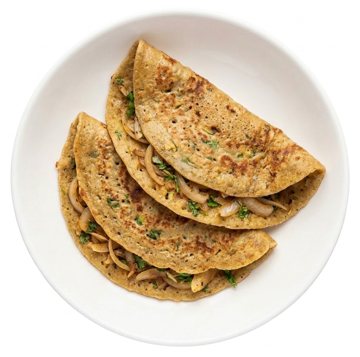
Crisp and golden on the exterior with a soft, thick interior, these substantial savoury dal and rice pancakes carry the warm, earthy aroma of roasted cumin.

Batter spice

8 gMixed into the ground dal and rice (step 2)
01
8 g1 tablespoon
spice
Keep roasted and ground; ready to stir directly into the batter.

Everything else

01
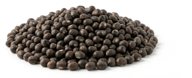
Black gram · Urad Dalrinsed and drained
200 g
legume
02
Rice · Chawalrinsed and drained
400 g
grain
03
to taste
oil/fat
04
to taste
salt

Method

  1. Submerge 200 g urad dal in plenty of water and leave to soak for 2 hours. Drain completely, then pulse in a food processor until coarsely ground.
  2. Grind 400 g rice in a blender until broken down, then tip into a large mixing bowl with the ground dal and the batter spice. Pour in enough hot water to achieve a spoonable batter consistency and season with salt to taste.
  3. Grease a deep curved tawa or heavy skillet with a little vegetable oil and place over low heat until hot.
  4. Ladle in a portion of batter, spreading it across the pan while keeping the centre noticeably thicker. Cook gently over low heat for roughly 2 minutes, until the underside is deep golden-brown.
  5. Flip and cook the reverse side for a further 2 minutes until fully set and browned. Repeat with the remaining batter, re-oiling the pan as needed, and serve hot accompanied by Adrak ki Chutney.


Don't have something?

Urad dal
  • Whole black gram

    Use equal weight. Needs longer soaking and cooking; the dark skins impart an earthy flavour and greyish-black hue unless thoroughly rubbed off.

  • Chana dal

    Use equal weight when tempering (tadka). Provides a comparable nutty, crunchy texture in hot oil, though grains are slightly larger.

  • Split mung beans

    Use equal weight for batters or dals. Ferments and cooks faster, producing a lighter, less sticky, and less viscous consistency.

Rice
  • Basmati rice

    Use the same weight; rinse and soak as needed. Fluffier and drier, so use slightly less water.

  • Long-grain rice

    Use the same weight; similar behaviour, adjust water to your usual method.

  • Short-grain rice

    Use the same weight; stickier and softer, so reduce water and avoid stirring.

Ground cumin
  • Cumin seed

    Dry-roast briefly and grind finely; use equal weight (1:1). Imparts an even punchier, nuttier, toasty aroma than pre-ground cumin.

  • Ground coriander

    Use equal weight (1:1). Adds mild, lemony sweetness rather than cumin's smoky, earthy bite; curries will taste lighter and less savoury.

  • Black cumin seeds

    Grind finely; use 60% to 75% of the weight. Produces a darker, more complex, smoky-herbal flavour suited to rich gravies.

Vegetable oil
  • Peanut oil

    Use 1:1 by weight. Handles high-heat frying identically and introduces a very subtle, pleasant nuttiness.

  • Ghee

    Use 1:1 by weight. Yields a much richer, authentic aroma and a glossy, heavier mouthfeel.

  • Mustard oil

    Use 1:1 by weight. Heat until smoking, then cool slightly before cooking to temper its intensely pungent, sharp mustard kick.

Spicy chutney
  • Green chutney

    Use the same weight; fresher and herbier, usually less sweet. Adjust chilli and salt to taste.

  • Tamarind chutney or mint chutney

    Use the same weight; tamarind gives more sourness, mint gives more freshness. Add chilli if needed.

  • Mango pickle

    Chop or blend to a chutney consistency and use 70–80% of the weight; saltier and oilier, so reduce added salt.

Similar dishes

Pesarattu
Spicy Lentil Pancakes
Pesarattu tastes significantly spicier, more pungent, and herby from the fresh chillies, ginger, and coriander, whereas this dish has a milder profile focused on roasted cumin.
  • Same: Both are savoury lentil pancakes griddled in vegetable oil and seasoned with ground cumin.
  • Different: Pesarattu uses moong dal instead of urad dal, is griddled thin rather than thick, and adds a spiced filling of onions, ginger, green chillies, coriander, and garam masala.
Tali Mangori
Fried Moong Dal Dumplings
Tali Mangori tastes tangy from tomato and ginger with mustard-oil pungency and soft succulent dumplings, while this dish tastes earthy from cumin with a crisp golden outside, a soft thick inside and spicy chutney alongside.
  • Same: Tali Mangori shares a savoury dal base and salt with this dish, and both are substantial savoury Indian legume dishes.
  • Different: Tali Mangori uses moong dal, ginger-tomato sauce, mustard oil and coriander leaf and is deep-fried then simmered, while this dish uses urad dal, rice, ground cumin and vegetable oil and is cooked as thick pancakes with chutney.
Shyama
Mixed Dal
Shyama has a more heavily spiced coriander and cumin flavor, but lacks the sharp bite of the ginger chutney served with this dish.
  • Same: Shyama shares urad dal, ground cumin, salt, and vegetable oil with this dish.
  • Different: Instead of being pan-fried into a thick pancake and served with ginger chutney, Shyama is a slow-cooked dal that adds chana dal, ground coriander, and optional ghee.
Payatham Pezhukku
Moong Bean Dal
Payatham Pezhukku tastes mildly spicy and herbal with rich coconut notes, whereas this dish tastes primarily of roasted cumin with a crisp, fried crust.
  • Same: Both preparations are South Indian legume dishes seasoned simply with salt.
  • Different: Payatham Pezhukku cooks whole green gram with dried red chillies, curry leaves, and coconut oil, rather than pan-frying an urad dal batter in vegetable oil with ground cumin.