
Venu Pongal
A comforting South Indian porridge of soft rice and split moong dal, enriched with ghee, warm black pepper, and toasted cashews.
Tempering spices
7 gFried in ghee before adding the cooked grains (step 2)Everything else

Method
- Combine 150 g moong dal and 200 g rice in a pan or pressure cooker with plenty of water, cooking until thoroughly tender (around 20 minutes if boiling on the stovetop).
- Melt roughly 2.5 g of the 13.2 g ghee in a large, heavy saucepan set over medium heat. Add the tempering spices and salt to taste, stirring for about 1 minute until the cumin crackles.
- Remove the pan from the heat, tip in the tender rice and dal, and mix thoroughly.
- Warm another small portion of ghee in a skillet over medium heat, fry 20 cashew nuts for 1 to 2 minutes until lightly browned, and fold them into the pongal.
- Add another dab of ghee to the skillet, fry 2.5–3.8 g curry leaf for 30 seconds until fragrant, then transfer to the rice mixture along with any remaining ghee and stir well.
Don't have something?

 Red lentils
Use equal weight. It cooks in about the same time and breaks down to a similar soft, creamy consistency, though the colour will be slightly pinkish-orange.
 Pigeon peas
Use equal weight. Requires longer soaking and cooking time, and produces a slightly earthier, denser dal.


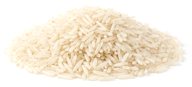 Basmati rice
Use the same weight; rinse and soak as needed. Fluffier and drier, so use slightly less water.
 Long-grain rice
Use the same weight; similar behaviour, adjust water to your usual method.
 Short-grain rice
Use the same weight; stickier and softer, so reduce water and avoid stirring.


 Unsalted butter
Use 120% of the weight; melt gently over low heat to avoid burning the milk solids, which will yield a softer, creamier richness rather than a nutty aroma.
 Vegetable oil
Use 85% of the weight; holds high cooking temperatures without smoking, but the final dish will lack traditional dairy depth.
 Mustard oil
Use equal weight; heat to smoking point and cool slightly before cooking, bearing in mind it introduces an assertive, pungent edge.


 Coarsely ground black pepper
Use 75% of the weight. Add midway through simmering; spreads heat evenly through the dish instead of delivering isolated bursts.
 Ground black pepper
Use 50% of the weight. Stir in near the end of cooking; significantly darkens light gravies and provides an immediate, sharp bite.


 Ground cumin
Use 70% of the weight; add with ground spices or sauce bases rather than hot oil tempering, where it scorches quickly and turns bitter.
 Black cumin seeds
Use equal weight for oil tempering. Delivers an earthy profile with an additional musky, smoky, and slightly bitter edge.
 Fennel seed
Use 60% of the weight for tempering; offers comparable warm aroma, but leans sweet and liquorice-like rather than savoury and earthy.


 Garlic powder
Use double the weight. Stir into hot oil just before adding wet ingredients; mimics the allium savoury background without the sulphurous edge.
 Garlic paste
Use 2 g for every 0.5 g of asafoetida. Sauté in oil until the raw smell clears; adds moisture and sweet allium depth.


 Ground ginger
Use 50% of the weight. Mimics turmeric's warm, earthy, rhizome background, but provides none of the golden-yellow colour.
 Saffron
Steep a tiny pinch (0.1 g per 2 g turmeric) in 2 tbsp warm water; use to match the rich golden hue. Contributes an aristocratic, honeyed floral flavour rather than earthy bitterness.


 Almond
Use 100% of the weight. Soak in boiling water and slip off skins before frying or grinding; gives a lighter, slightly less sweet richness to curries.
 Poppy seed
Use 60% of the weight for gravies. Soak in warm water and grind into a fine paste to thicken royal kormas without adding heavy oiliness.
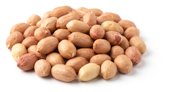 Shelled peanut
Use 100% of the weight. Roast, skin, and grind; creates a thicker, earthier texture typical of Maharashtrian and western Indian curries.


 Bay leaf
Fry 1 bay leaf for every 5 curry leaves in hot oil; imparts a warm, woodsy background note, but misses the citrus-sulphury punch entirely.
 Lime juice
Add a small squeeze (about 5 ml per sprig of curry leaves) right before serving; provides sharp citrus top notes without the toasty, herbal aroma.

Similar dishes

- Same: Rasam Rice and this dish both use rice, dal, curry leaves, asafoetida, turmeric, black pepper, and salt.
- Different: Rasam Rice uses toor dal, tomato, tamarind, chilli, ginger, mustard seed, and vegetable oil in a thin broth, while this dish uses moong dal, ghee, cumin, and cashews in a soft porridge.

- Same: Pongal shares the base of moong dal and rice tempered in ghee with black peppercorns, curry leaves, and asafoetida.
- Different: Pongal incorporates mustard seeds, dried red chillies, and lime juice with a much higher proportion of ghee, but omits the cumin seeds and turmeric used in this dish.
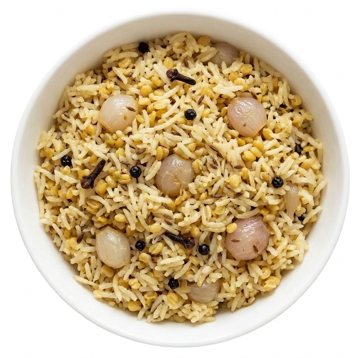
- Same: Khilwan Khichari also combines moong dal and rice cooked with ghee, cumin seeds, and black peppercorns.
- Different: Unlike this soft porridge, Khilwan Khichari is prepared dry with significantly more ghee, adding bay leaf and cloves while leaving out the turmeric, curry leaves, and asafoetida.

- Same: Undrally shares rice, split dal, and salt with this dish as a South Indian rice-and-dal preparation.
- Different: Undrally uses chana dal instead of moong dal, omits ghee, black pepper, cumin, asafoetida, turmeric, cashews, and curry leaves, and is steamed into rice balls rather than cooked as a porridge.