Indian cooking
Indian cooking / Dishes / Lauki ki Seekh
Lauki ki Seekh (Skewered Pumpkin)

Lauki ki Seekh

Skewered Pumpkin
Vegetarian●●●Origin AwadhPrep 30-40 minutes, plus cooling timeCook 8-10 minutes

Delicate vegetarian seekh kebabs crafted from grated pumpkin and fresh paneer, spiced with green chillies and herbs, then roasted on skewers until lightly charred.

Ingredients

01
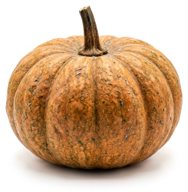
Pumpkin · Kaddupeeled and grated
300 g
vegetable
02
300 g
dairy
03
30 g3 tablespoons
vegetable
04
Ginger · Adrakpeeled and chopped
4.8 g1 piece
aromatic
05
30 g4 tablespoons
vegetable
06
10 g1 tablespoon
vegetable
08
6–13 g1–2 tablespoons
grain
09
to taste
salt

Method

  1. Drop 300 g pumpkin into a saucepan of salted boiling water and simmer for approximately 5 minutes until tender. Drain thoroughly and plunge immediately into a bowl of cold water to stop the cooking.
  2. Fire a tandoor or charcoal barbecue to a moderate temperature, or set an oven broiler to medium heat.
  3. Transfer the chilled pumpkin into a clean kitchen cloth and twist tightly to wring out all excess liquid.
  4. Place the squeezed pumpkin into a mixing bowl and toss together with 300 g paneer, 3 tablespoon onion, 4.8 g ginger, 4 tablespoon carrot, 9.9 g green chilli, and 20 g coriander leaf.
  5. Add 30 g breadcrumbs, 1 tablespoon chilli paste, 0.3 g spice, 0.3 g spice, salt to taste, and white pepper to taste. Knead the ingredients firmly until a cohesive mixture forms, then partition into 16 equal balls.
  6. Wet your palms and mould each portion into an elongated cylindrical shape along the length of a metal skewer. Grill over the embers or beneath the broiler for 8 to 10 minutes until nicely browned and heated through.

Don't have something?

Pumpkin
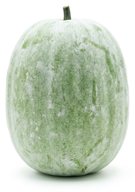
  • Ash gourd

    Use the same weight; peel and cube. Firmer and less sweet, so cook 5–10 minutes longer and taste for sugar.

  • Sweet potato

    Use the same weight; peel and cube. Sweeter and starchier; reduce added sugar and cook until just tender.

  • Courgette

    Use the same weight; cut larger chunks. Watery and soft, so cook 5 minutes less and reduce liquid.

Paneer
  • Extra-firm tofu

    Use equal weight, pressed well to remove excess moisture and cut into cubes. Pan-fry lightly before adding; absorbs sauces similarly, though it lacks dairy sweetness.

  • Halloumi

    Use equal weight, soaked in warm water for 20 minutes to leach out excess salt. Holds shape during frying, but has a denser, saltier chew.

Onion
  • Shallot

    Use equal weight, finely sliced. Shallots soften and brown faster, giving a slightly sweeter and more delicate base to curries.

  • Cabbage

    Use 80% of the weight, finely shredded and browned slowly with a pinch of asafoetida. Replicates the bulk and natural sweetness in gravies without allium.

Ginger
  • Fresh ginger

    Use equal weight; scrape off the skin and grate or finely julienne according to the recipe.

  • Ginger paste

    Use equal weight; stir straight into the sizzling aromatics, taking care as the extra moisture may spit.

  • Ground ginger

    Use 15 to 20% of the weight; add alongside ground spices, noting it imparts warm, dry heat rather than zesty freshness.

Carrot
  • Turnip

    Use the same weight; peel and cut as for carrot. It is less sweet and slightly peppery, so add a pinch of sugar and expect a softer, more earthy result.


  • Potato

    Use the same weight; cut into similar pieces and add 5–10 minutes' extra cooking. It gives bulk but no carrot sweetness or colour.

  • Courgette

    Use the same weight; cut a little larger and add near the end. It releases water, so reduce other liquid slightly and expect a softer texture.

Green chilli
  • Chilli powder

    Use 10 to 15% of the weight (about 1/4 teaspoon per chilli); imparts dry pungent heat and reddens the dish without the grassy crunch.

  • Dried red chilli

    Use 1 dried pod per fresh green chilli; snap in half and temper in hot oil for a deeper, toastier heat.

Coriander leaf
  • Coriander

    Use equal weight finely chopped; this is the exact same fresh herb.

  • Mint

    Use half the weight finely chopped; provides vibrant green freshness, though the flavour profile becomes noticeably cooler and sharper.

Ground allspice
  • Ground cinnamon (cassia)

    Use about 70% of the weight and add a pinch of ground clove (about 20% of the allspice weight); the result is more cinnamon-forward.

  • Ground clove

    Use only about 20% of the weight; it is much stronger and can dominate the dish.

  • Ground nutmeg

    Use about 50% of the weight; it gives warmth but lacks allspice's peppery edge.

Ground cardamom and mace
  • Ground cardamom

    Use the same weight; add a small pinch of ground mace or ground nutmeg if you have it. The result is more cardamom-forward.

  • Ground green cardamom

    Use the same weight; it is practically the same as ground cardamom, but add a pinch of ground mace or ground nutmeg for the mace note.

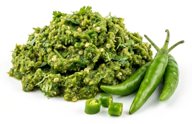
Green chilli paste
  • Green chilli

    Use the same weight, deseed if wanted, and grind with 1 tbsp water; fresher and brighter.

  • Chilli paste

    Use the same weight; may be red and hotter, so adjust.

  • Red chilli paste

    Use 75–80% of the weight; changes colour and heat.

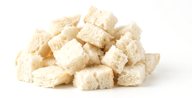
Fresh breadcrumbs
  • Dried breadcrumb

    Use 75% of the weight and moisten with 1–2 tbsp milk per 100 g. Dried crumbs absorb more liquid.

  • White bread

    Use the same weight, cut off crusts, and blitz to crumbs. Soft and fresh, as needed.

  • Bread slice

    Use the same weight, crusts off, and pulse in a mixer. Add a splash of water if the mixture looks dry.

Ground white pepper
  • Ground black pepper

    Use 80–100% of the weight. Darker and sharper; reduce slightly if you do not want extra heat.

  • Black peppercorn

    Grind the same weight fresh; same darker, sharper result.

Similar dishes

Delica Pumpkin with Makhani Sauce & Hazelnut Crumble
It tastes sweet, creamy, smoky and gently spiced with a crunchy topping, while this dish is more green-chilli and herb forward with a softer kebab texture.
  • Same: It shares pumpkin and paneer with this dish, and both are roasted and spiced rather than served as a wet curry.
  • Different: It uses roast pumpkin wedges with makhani sauce, wild rice, hazelnut-sesame crumble, chaat masala, cumin, turmeric and Kashmiri chilli, while this dish is a grated pumpkin-paneer seekh with green chilli, coriander, ginger, onion, carrot, breadcrumbs and ground allspice/cardamom-mace.
Hariali Paneer Tikka
Green Paneer Skewers
It tastes tangier, more herbaceous, and distinctly pungent from the mustard oil and black rock salt, while this dish has a milder, vegetable-sweet flavor.
  • Same: Hariali Paneer Tikka also skewers and roasts paneer with fresh green herbs and aromatics.
  • Different: Hariali Paneer Tikka uses whole paneer cubes coated in a marinade of mint chutney, garlic paste, chickpea flour, and mustard oil, omitting the grated pumpkin, onion, and ginger seekh mixture of this dish.
Nargisi Seekh Kebab
Vegetable & Egg Skewers
Nargisi Seekh Kebab is punchier, tangier, and nuttier due to the chaat masala, sesame seeds, garlic, and mint, whereas this dish has a milder, ginger-led flavour.
  • Same: Both recipes are skewered and grilled paneer kebabs seasoned with onion, green chillies, and fresh coriander.
  • Different: Nargisi Seekh Kebab incorporates boiled potatoes, tomatoes, garlic, mint, curry leaves, sesame seeds, and chaat masala, while omitting ginger.
Dakhani Paneer
Paneer in Tamarind Coconut Curry
It tastes richer, tangier, and more complexly spiced than this dish, which has a milder, herbal, and lightly charred flavor.
  • Same: Dakhani Paneer also centers on paneer and shares base aromatics like onion, ginger, and fresh coriander.
  • Different: Rather than roasting paneer on skewers with pumpkin, it batters and fries the paneer cubes to simmer in a spiced coconut milk and tamarind gravy.